6 Best Heavy Duty Blocking Mats For Large Sweaters
Discover the 6 best heavy-duty blocking mats for large sweaters. Learn how these durable, interlocking surfaces ensure precise shaping for your knitwear.
After spending two decades at the loom and needles, I’ve learned that the secret to a professional-looking sweater isn’t just your tension—it’s how you finish it. Blocking is the final transformation that turns a pile of loops into a structured, wearable garment. Investing in a dedicated set of heavy-duty mats is the single most effective way to ensure your hard work retains its shape. Here are the tools that will help you achieve that perfect, store-bought finish.
Knitter’s Pride Knit Blockers: Best Overall Pick


These aren’t your standard pins; they are a system designed to save your fingers from the constant pricking of traditional T-pins. The wide, plastic-topped design allows you to anchor a large sweater panel with just a few movements, effectively reducing the time it takes to set up a project.
The real magic lies in the built-in pins that span the width of the blocker. This creates a uniform tension across the edge of your knitting, which is essential for preventing the "scalloped" look that happens when you space individual pins too far apart.
If you are working with heavy wool or bulky sweaters, these provide the necessary leverage to keep the fabric taut. They are my go-to recommendation for anyone who finds traditional pinning tedious or painful.
Boye Interlocking Foam Mats: Best Budget Choice

Sometimes, you don’t need bells and whistles; you just need a large, reliable surface area. These foam tiles are a staple in many knitting rooms because they are modular and incredibly easy to store in a small closet or under a bed.
The interlocking edges are surprisingly sturdy, meaning you won’t have to worry about your sweater panel sliding off into a gap between tiles. While they lack the density of premium mats, they are more than sufficient for lightweight acrylics or cotton blends.
For the knitter on a budget, this is the most practical entry point. You can purchase a few sets over time to build a massive blocking surface without breaking the bank.
Clover Blocking Mats: Best for Delicate Lace

Clover has long been synonymous with high-quality notions, and their blocking mats are no exception. They feature a unique, high-density foam that resists warping even when exposed to significant moisture from a steam iron or a damp garment.
The surface texture is specifically designed to grip the fibers of your yarn without snagging delicate lace mohair or fine silk. This is a crucial detail, as cheaper mats can sometimes leave tiny foam particles stuck in the fuzz of your yarn.
If you frequently work with expensive, delicate fibers, the investment here is worth it for the peace of mind. You won’t have to worry about your heirloom-quality lace getting damaged by inferior materials.
Magnitude Magnetic Mats: Best for Precision

Precision is the name of the game when you are blocking intricate colorwork or complex cables. These mats use magnetic anchors instead of pins, which means you never have to puncture your beautiful, hand-knit fabric.
By using magnetic strips to hold your sweater edges in place, you distribute the tension evenly across the entire row. This is a game-changer for garments where even the slightest pull can distort a geometric pattern or a delicate cable twist.

While they are a higher-end purchase, the ability to block without piercing the yarn is a massive advantage for luxury fibers like cashmere. It preserves the integrity of the stitch and ensures your pattern looks exactly as intended.
Exquiss Extra Thick Tiles: Best Heavy Duty Option
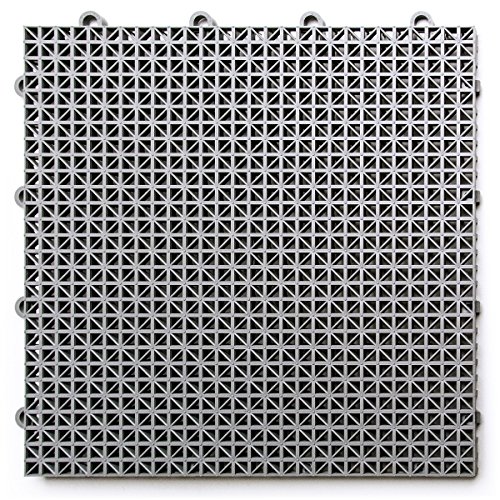
When you are blocking a heavy, cabled wool sweater, you need a surface that can handle the weight of the water-logged fiber. These extra-thick tiles are designed to stay flat and stable, no matter how much tension you apply.
Because they are thicker than standard mats, they allow for deeper pin penetration. This means your pins are less likely to pop out or tilt under the weight of a heavy garment, keeping your edges perfectly straight.
I recommend these for knitters who primarily work with heavy-weight yarns or large-scale projects like blankets. They provide a rock-solid foundation that won’t flex or bow under pressure.
Tiweer Grid-Printed Mats: Best for Symmetry
Symmetry is often the difference between a sweater that looks "homemade" and one that looks "hand-crafted." The grid-printed lines on these mats act as a built-in ruler, allowing you to measure your sweater panels to the millimeter.
If you are blocking a sweater with set-in sleeves or specific shaping, the grid is invaluable. You can ensure that both the left and right sides of your garment are identical in width and length, which is essential for a professional fit.
Don’t rely on your eyes alone; let the grid do the heavy lifting. It removes the guesswork from the blocking process and helps you achieve consistent results every single time.
Why Blocking Mats Beat Towels for Your Sweaters
Many beginners start by pinning their sweaters onto a towel spread over a bed or carpet. While this works in a pinch, it lacks the airflow necessary for the garment to dry evenly and efficiently.
Towels are absorbent, which can actually trap moisture against the back of your garment for too long, potentially leading to mildew or uneven drying times. Mats, conversely, allow air to circulate underneath the fabric, speeding up the process.
Furthermore, mats provide a consistent, flat surface that doesn’t shift. A towel on a bed will sag under the weight of a heavy sweater, causing the garment to dry in a distorted, stretched-out shape.
Key Features to Consider Before You Buy Mats
When shopping for mats, focus on the density of the foam and the ease of assembly. You want a material that is firm enough to hold a pin, but soft enough to be forgiving on your hands during a long blocking session.
- Surface Area: Ensure you can fit at least one full sweater panel comfortably.
- Grid Markings: Highly recommended for ensuring symmetry in shaping.
- Thickness: Look for at least 0.5 inches to ensure pins stay upright.
- Storage: Modular tiles are generally easier to manage than one large, solid board.
Remember that your choice should reflect the type of knitting you do most often. If you only knit lightweight socks, you don’t need the thickest, most expensive tiles on the market.
How to Properly Block Large Garment Pieces
Always start by gently soaking your garment in lukewarm water with a wool-safe wash. Never wring or twist the piece; instead, roll it in a dry towel to squeeze out excess moisture, leaving the fabric damp but not dripping.
Lay your pieces flat on the mats, starting from the center and working your way out to the edges. Use your pins or blockers to gently stretch the garment to the desired measurements, ensuring all edges are aligned with the grid.
Let the garment dry completely before removing the pins. If you pull them out too early, the fibers may still be "relaxed" and lose their shape, undoing all your hard work.
Caring for Your Mats to Ensure Longevity
To keep your mats in top shape, always wipe them down with a damp cloth after use to remove any excess lint or fiber residue. If you use steam blocking, allow the mats to cool and dry completely before stacking them away.
Avoid storing your mats in direct sunlight, as this can cause the foam to become brittle over time. Keep them in a cool, dry place, and if possible, store them flat to prevent the edges from curling.
If you take care of your tools, they will last for years of project cycles. A well-maintained set of blocking mats is an investment in the longevity of every sweater you create.
Blocking is the final, essential step in the knitting journey that separates the hobbyist from the artisan. By choosing the right mat for your specific needs, you ensure that your beautiful stitches are showcased with the precision they deserve. Take your time with the process, be patient with your fibers, and enjoy the satisfaction of seeing your project reach its full potential. Happy knitting!