7 Best Darning Needles For Weaving Ends For Projects
Discover the top 7 darning needles for weaving in yarn ends. We compare durability and eye size to help you achieve a professional, secure finish for projects.
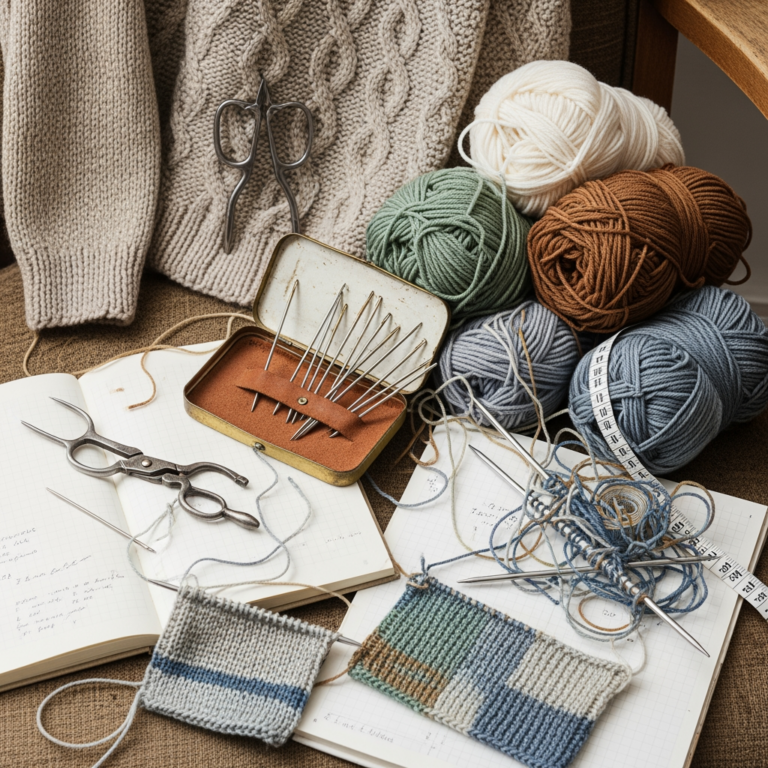
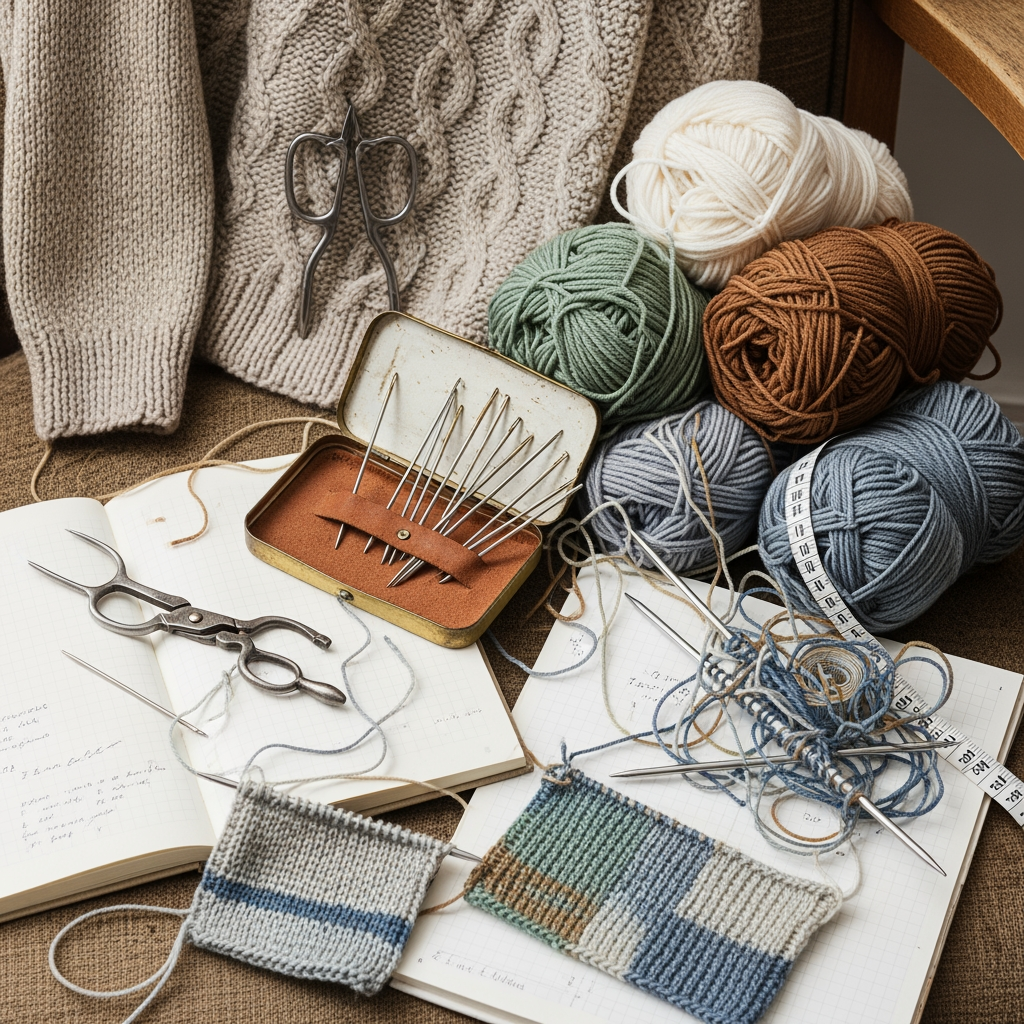
Weaving in ends is the final hurdle between a finished project and a masterpiece, yet it is often the step knitters dread most. Using the wrong tool can lead to split yarn, stretched-out stitches, or ends that eventually wiggle their way back to the surface. Selecting the right darning needle transforms this tedious chore into a satisfying ritual of finishing. Here are the top tools to ensure your hard work stays secure for years to come.
Clover Chibi Darning Needle Set: Best Overall


The Clover Chibi set is a staple in every well-stocked knitting bag, and for good reason. It comes in a convenient, sturdy plastic tube that keeps your needles from migrating to the bottom of your project bag.
These needles feature a slightly rounded tip that glides between the plies of your yarn rather than piercing them. This is crucial when working with delicate fibers like alpaca or high-twist merino, where splitting the strand can ruin the drape of your fabric.
The set includes three different sizes, covering everything from lace-weight mohair to chunky wool. It is the most versatile choice for the knitter who enjoys switching between diverse project types.
Bohin Bent Tip Tapestry Needles: Best Precision

If you have ever struggled to weave an end into a tight cable or the dense fabric of a colorwork hat, these bent tips are a revelation. The slight curve allows you to pick up stitches without having to distort your fabric to get the needle underneath.
The metal is polished to a glass-like finish, meaning it won’t snag on sticky fibers like mohair or grab at the fuzz of a rustic wool. Because they are rigid, they offer excellent control when navigating intricate patterns.
While the bent tip is a game-changer, it does require a bit of practice to get the angle right. Once you master the motion, you will find yourself reaching for these over straight needles every single time.

Dritz Yarn Darner Needles: Best Budget Pick
You don’t need to spend a fortune to get a reliable tool, and Dritz needles prove that basic is often best. These are straightforward, no-nonsense needles that get the job done without any bells or whistles.
They are particularly useful for beginners who are prone to losing their tools. Because they are affordable, you can keep a pack in your car, your nightstand, and your primary knitting bag without breaking the bank.
The tradeoff here is in the finish; they are not as slick as premium brands and may eventually show signs of wear or oxidation. However, for a standard acrylic or wool project, they are perfectly functional.
Cocoknits Steel Stitch Needles: Best Durability
These steel needles are designed for the knitter who values longevity and a solid feel in the hand. Unlike plastic or aluminum, these needles are virtually indestructible and won’t bend or snap even when forced through dense, felted fabric.
They have a distinct, slightly flattened tip that makes them easier to grip when your hands are tired. This is a significant advantage if you are finishing a large blanket or a heavy sweater where you have dozens of ends to bury.
Because they are made of steel, they are heavier than their plastic counterparts. If you prefer a lightweight tool, these might feel substantial, but for many, that weight translates to a sense of quality and control.
Tulip Tapestry Needles: Best Smooth Finish
Tulip is renowned for their meticulous manufacturing process, and their tapestry needles are no exception. The eye of the needle is polished to such a high degree that it doesn’t fray the yarn as you pull it through, which is vital for multi-ply yarns.
They have a sharp, yet blunt-ended profile that is perfectly balanced for weaving. You get the ease of a blunt tip without the struggle of pushing a dull needle through tight, twisted stitches.
These are an investment, but if you work with expensive hand-dyed yarns, they are worth every penny. You are protecting your fiber from unnecessary abrasion during the most critical stage of finishing.

Susan Bates Finishing Needles: Best for Bulky
When you are working with super-bulky or jumbo-weight roving yarns, a standard needle eye is simply too small. Susan Bates offers larger needles that accommodate thick, lofty yarns without requiring you to force the fiber through the eye and damage it.
These are often made of a lightweight plastic or coated metal, which helps them slide through airy, loose-gauge projects without adding too much weight. They are specifically designed for the "knitting on large needles" crowd.
Keep in mind that these are not suitable for fine gauge work, as the thickness of the needle itself can stretch out your stitches. Use them specifically for your heavy-weight projects to keep your tension consistent.
Pony Plastic Darning Needles: Best for Kids

If you are teaching a child to knit, metal needles can feel intimidating or sharp. Pony plastic needles are colorful, lightweight, and have a blunt, rounded point that is safe for little hands.
They are also incredibly flexible, which makes them forgiving if a child is weaving at an awkward angle. They won’t scratch the skin or damage delicate surfaces if dropped.
While they are not as precise as metal needles, they are the perfect introductory tool. They make the act of finishing a project feel like a fun, colorful extension of the knitting process rather than a chore.
Why Bent Tip Needles Are Essential for Weaving
The primary advantage of a bent tip is the ergonomics of the wrist. When weaving in ends on a flat surface, a straight needle forces you to lift the fabric or your hand to get the angle right.
A bent tip allows you to keep your needle parallel to the fabric, sliding it effortlessly under the loops of your stitches. This minimizes the risk of pulling the needle through to the front of your work, which is a common disaster when weaving in ends.
If you have any issues with wrist strain or arthritis, the bent tip is not just a luxury—it is a necessity. It reduces the amount of manipulation required, keeping your movements fluid and efficient.
Choosing the Right Needle Eye for Your Yarn
The eye of your needle should be slightly larger than the yarn you are using, but not so large that it stretches the fabric as it passes through. A good rule of thumb is that the yarn should fill about 75% of the eye’s width.
If you struggle to thread a needle, don’t immediately reach for a larger eye. Instead, try folding the yarn over the needle and pinching it tight to push it through, or use a small needle threader to avoid fraying the plies.
Always match the needle gauge to your yarn weight. Using a thick needle on a thin, lace-weight yarn will create visible holes in your finished work that will be impossible to block out later.
How to Properly Secure Ends for Longevity
Weaving in ends is about creating friction, not just hiding the tail. The most secure method is to follow the path of the yarn, duplicating the stitches on the wrong side of the fabric for at least an inch.
Avoid cutting your tails too short; leave at least four to six inches before trimming. If you cut them too close to the fabric, the ends will eventually work their way out as the garment stretches during wear.
For high-stress areas like shoulder seams or sock heels, consider splitting the yarn tail in half and weaving the two pieces in different directions. This creates a "lock" that prevents the end from slipping back through the fabric over time.
Choosing the right darning needle is a small detail that makes a world of difference in the professional look of your knitting. Whether you prefer the precision of a bent tip or the durability of steel, the goal is to treat your yarn with the same care during finishing as you did during the knitting process. Take the time to weave your ends properly, and your projects will remain beautiful for years to come. Happy knitting!