6 Best Needle Brushes For Lint Removal For Fabrics
Discover the top 6 needle brushes for effortless lint removal. Learn which tools best restore your fabrics and keep your favorite garments looking brand new.
After spending two decades watching beautiful, hand-knitted sweaters succumb to the inevitable friction of daily wear, I know the heartbreak of seeing your hard work pill. Removing those unsightly fuzz balls is a rite of passage for every maker, but choosing the right tool is the difference between a refreshed garment and a ruined one. This guide navigates the best lint removal tools to help you preserve the integrity of your stitches. With the right technique, you can keep your favorite woolens looking like they just came off the blocking board.
Gleener Ultimate Fuzz Remover: Best Overall Pick
The Gleener is a staple in my knitting bag because it offers a non-electric, manual approach that gives you total tactile feedback. Unlike motorized shavers that can "eat" your yarn if you aren’t careful, this tool allows you to feel exactly how much tension you are applying to the fabric.
It features three interchangeable edges designed for different fiber weights, from delicate lace-weight mohair to heavy, rustic wools. This versatility is crucial because you wouldn’t use the same aggressive blade on a fine merino blend as you would on a chunky, single-ply sweater.


The bottom line is that the Gleener requires a bit more elbow grease, but it offers the most control. For those who fear the "buzz" of an electric shaver catching a loose stitch, this is your safest and most reliable investment.
Philips Fabric Shaver: Best for Delicate Knits
When you’ve spent weeks working on a complex cable pattern with a high-twist wool, the last thing you want is a tool that snags your hard-earned texture. The Philips Fabric Shaver is engineered with a precision blade system that sits behind a protective mesh, keeping your delicate stitches safe.
This tool excels because of its large shaving head, which covers more surface area without requiring you to press down hard. If you press too firmly on a delicate knit, you risk stretching the fabric or thinning out the yarn itself.
Always test this on an inconspicuous spot, like an inner hem, before tackling the front of a sweater. It is the gold standard for maintaining the stitch definition of your favorite hand-knits without compromising the fiber structure.
Conair Fabric Shaver: Best Budget-Friendly Tool
Sometimes, you just need a simple, effective solution that doesn’t break the bank. The Conair Fabric Shaver is a workhorse that handles standard acrylics and sturdy wool blends with surprising efficiency.
It is particularly useful for those "workhorse" sweaters you wear while working in the studio or running errands. While it may not have the premium build of higher-end models, it gets the job done quickly and reliably.
Just keep in mind that the motor can be a bit loud and it runs on standard batteries, so keep a spare set handy. It is a perfect entry-level tool for new knitters who are just starting to build their collection of garment care supplies.
Remington Fuzz-Away: Best Portable Lint Remover
I often recommend the Remington Fuzz-Away for knitters who travel to workshops or retreats. Its compact, ergonomic design fits easily into a notions pouch, making it perfect for last-minute touch-ups before a knitting circle or a photo shoot of your finished object.
It is surprisingly powerful for its size, making short work of the friction pilling that happens under the arms of a sweater. Because it is small, it’s also easier to maneuver around tricky areas like underarms, cuffs, and neckbands.
Don’t let the size fool you; it handles pilling effectively on most common yarn fibers. It is a fantastic "emergency" tool to have on hand when you notice a stray pill before heading out the door.
Beautural Fabric Shaver: Best Value for Money
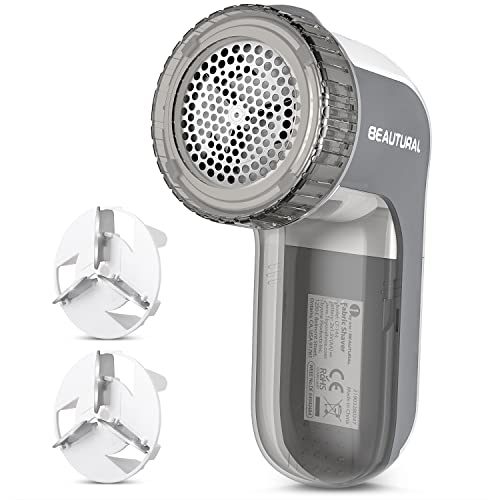
The Beautural stands out because it offers adjustable height settings, which is a game-changer for knitters working with varying yarn textures. Being able to adjust how close the blade gets to the fabric allows you to target pills without shaving off the "halo" of your yarn.
If you are working with a fuzzy fiber like alpaca or cashmere, you need to be careful not to remove the natural loft of the yarn. This tool gives you the flexibility to remove the pills while leaving the soft, insulating fibers intact.
It is a well-balanced tool that feels substantial in the hand, providing steady pressure for consistent results. For the price, the added control over the blade distance makes it a superior choice for a diverse stash.
Evercare Lint Roller: Best for Quick Touch-Ups

While not a "shaver" in the mechanical sense, a high-quality lint roller is an essential partner to any fabric shaver. After you’ve shaved off the pills, you’ll often find tiny fibers lingering on the surface; the Evercare roller picks these up effortlessly.
I rely on these for removing pet hair and dust that settles into the nooks and crannies of textured stitch patterns. It’s the final step in finishing a garment, ensuring your hard work looks crisp and clean.
Always opt for the sticky, peel-off sheets rather than the reusable rubber versions, as they are much more effective at grabbing deep-seated fibers. It’s a simple, low-tech solution that makes a massive difference in the final presentation of your knitting.
How to Safely Remove Pilling from Wool Fabrics
Always lay your garment flat on a hard, stable surface before you begin. Trying to shave a sweater while wearing it is a recipe for disaster, as the fabric isn’t taut and you risk nicking the yarn.
Work in small, circular motions with light pressure, moving from the bottom of the garment upward. If you encounter a stubborn pill, do not pull it; let the tool do the work to avoid creating a hole or a "ladder" in your knitting.
Remember that pilling is often a sign of excess fiber on the surface of the yarn. Once you remove these initial pills, the garment will often stop pilling as frequently, as the loose ends have been cleared away.
Understanding Fiber Content and Pilling Tendency
Not all yarns are created equal, and some are naturally more prone to pilling than others. Generally, shorter-staple fibers like standard wool or certain synthetics pill more than long-staple fibers like silk, linen, or high-quality merino.
- Superwash Wool: Often pills more initially because the scales have been removed, making the fibers slide against each other more easily.
- High-Twist Yarns: These hold their structure better and are less likely to pill than loosely spun, soft, or "roving-style" yarns.
- Synthetics: Often hold onto pills tightly, making them harder to remove without damaging the yarn.
Understanding your yarn’s fiber content helps you manage your expectations. If you choose a soft, single-ply yarn for a sweater, accept that it will require more frequent maintenance than a tightly plied, worsted-spun wool.
Essential Tips for Preventing Lint Accumulation
The best way to manage pilling is to prevent it from happening in the first place through proper care. Always turn your hand-knitted garments inside out before washing to reduce the friction of the fabric against itself.
Use a gentle wool wash and avoid harsh detergents that can strip the natural oils from the fiber, making it brittle and more prone to breakage. Drying your knits flat is non-negotiable; hanging them can stretch the fibers and cause them to weaken, leading to more pilling.
Finally, consider the "wear and tear" factor. If you are wearing a heavy backpack over a delicate hand-knit, the friction will inevitably cause pilling in that specific area.
Proper Maintenance for Your Fabric Care Tools
A dull blade is a dangerous blade, as it will pull and tear at your yarn rather than slicing through the pills cleanly. Regularly clean the lint reservoir and use a small brush to clear out any fibers trapped around the blades.
If your electric shaver starts to sound sluggish or pulls at the fabric, it’s time to replace the blades. Most models have replaceable heads, which is much cheaper than buying a new unit every year.
Treat your tools with the same care you give your knitting needles and project bags. Keeping your fabric care kit organized and clean will ensure your hand-knits stay in heirloom condition for years to come.
Maintaining your hand-knits is just as important as the act of knitting them, and choosing the right tool is the first step toward lasting quality. By understanding your yarn’s fiber content and using these tools with a gentle, patient hand, you can keep your projects looking pristine. Don’t be afraid to experiment with these tools on scrap swatches first to find your rhythm. With a little practice, you’ll be able to refresh your favorite sweaters and enjoy your beautiful, handmade garments for many seasons.