6 Best Felt Balls For Center Accents To Try
Discover the top six felt balls for center accents. This guide explores texture, durability, and color variety to help you elevate your next DIY craft project.
Adding felt balls as center accents is a brilliant way to introduce three-dimensional texture to your knitted garments, hats, and home decor. These dense wool spheres provide a structured focal point that contrasts beautifully against the drape of stockinette or the complexity of cables. As a long-time maker, I have found that choosing the right quality is the difference between a professional heirloom and a craft that pills or loses its shape after a single wash. Here is my guide to selecting the best felted accents to elevate your next project.
Felted Wool Balls by Muselane: Best Overall Choice


Muselane consistently hits the sweet spot between density and surface consistency. When you are attaching an accent to a hat brim or a sweater cuff, you need a ball that holds its spherical shape under tension.
These balls are particularly well-suited for projects that will see frequent handling. Because they are firmly felted, they won’t compress or distort when you pull your sewing thread through the center.
The bottom line here is reliability. If you want a uniform look that won’t distract from your stitch definition, these are the gold standard for most knitters.
Benzie Design Felt Balls: Best Color Selection

Color theory is an essential part of knitting, and sometimes you need a very specific shade to pop against a dark charcoal wool or a neutral alpaca. Benzie Design offers an expansive palette that allows for precise color matching.
I often recommend these for makers working on color-blocked projects or children’s accessories where vibrancy is key. The saturation remains high even after the felting process, which is a sign of high-quality dye work.
Just keep in mind that with such a wide range, the texture can occasionally vary slightly between batches. Always order enough for your entire project at once to ensure your accent colors remain perfectly consistent.
Wooly Felted Wonders: Best for Texture and Shape
If you are looking for an accent that feels "hand-made" rather than mass-produced, this brand is a fantastic choice. They retain a slightly rustic, organic feel that pairs beautifully with hand-spun yarns or rustic wools like Corriedale.

Their shape is often slightly less rigid than machine-felted options, which makes them easier to sew through if you are using a standard tapestry needle. This softness allows the ball to nestle into the fabric rather than sitting awkwardly on top of it.
These are ideal for projects where you want a tactile, artisanal finish. They provide a softer aesthetic that complements the natural drape of your knitting rather than fighting against it.
Papoose Felt Balls: Best Sustainable Wool Option
Sustainability is becoming increasingly important in our craft, and Papoose stands out for its commitment to natural, non-toxic processes. These are crafted from 100% pure wool, often using vegetable-based dyes.
For knitters who are sensitive to synthetic materials or who work exclusively with natural fibers, these are a perfect match. They have a lovely, earthy weight that feels substantial in the hand.
Because they are eco-friendly, they tend to have a more muted, natural color profile. They won’t provide the neon pop of synthetic dyes, but they offer an unmatched depth of character for heirloom projects.
Shepherd’s Wool Felt Balls: Best Softness Quality

There is a distinct difference between a rock-hard felt ball and one that retains a bit of "give." Shepherd’s Wool focuses on a softer, loftier fiber that feels luxurious to the touch.
This softness makes them much easier to work with if you are attaching them to delicate items like baby blankets or lightweight cowls. You won’t have to worry about the accent being too heavy or abrasive against the skin.
The trade-off is that they may show signs of wear faster than more densely felted options. Treat these as decorative accents rather than functional closures or high-friction points.
Craft County Felt Balls: Best for Bulk Projects

When you are planning a large-scale project—like a pom-pom garland or a sweater covered in dozens of small accents—cost and consistency are your primary concerns. Craft County provides a reliable, bulk-friendly option that doesn’t sacrifice basic quality.
These balls are remarkably uniform in size, which is critical when you are repeating a pattern across a large surface area. A slight variance in size can make a project look haphazard, but these keep your layout clean.
They are the "workhorse" of the felt ball world. They are durable, easy to source, and perfect for the knitter who is experimenting with new design ideas and doesn’t want to break the bank.
How to Secure Felt Balls to Your Knitted Projects
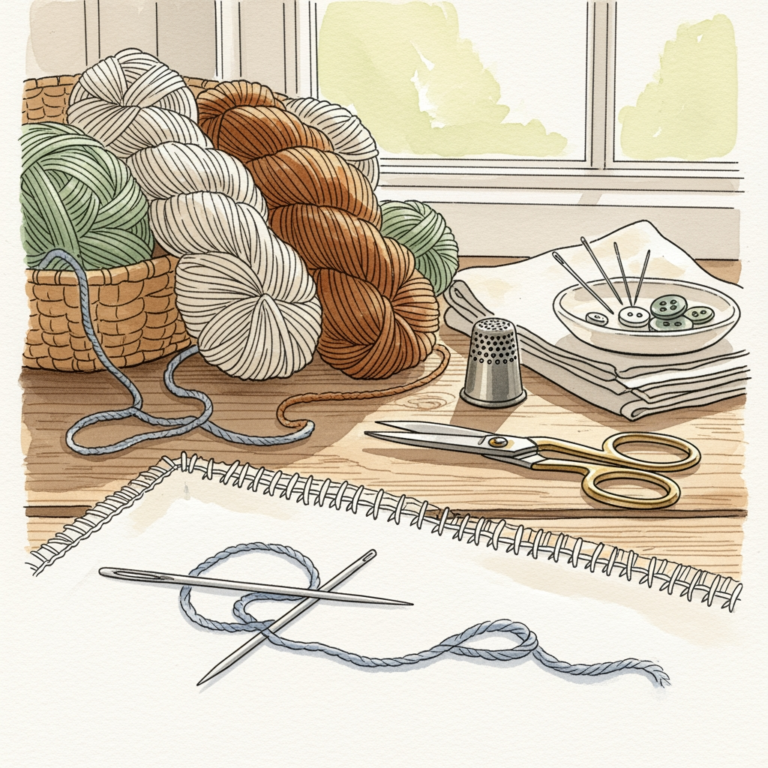
The biggest mistake I see is using a single strand of yarn to attach a felt ball, which can lead to it dangling loosely after a few wears. Instead, use a strong, matching sewing thread or a very fine, high-twist sock yarn.
Pass your needle through the center of the ball at least twice, creating a small "x" or a secure anchor point on the back of your knitted fabric. If the project is for a child, consider adding a small button on the inside of the garment to act as a backing, preventing the ball from pulling through the knit stitches.
Always ensure your anchor point is distributed across at least three or four stitches of the base fabric. This prevents the weight of the ball from distorting your gauge or creating a hole in your work.
Choosing the Right Size Felt Ball for Your Design
Scale is everything in knitting; a large, heavy ball on a fingering-weight shawl will pull the fabric and create an unsightly sag. As a general rule, limit your ball size to the thickness of your yarn weight.
For lace or fingering weight projects, stick to 1cm or 1.5cm balls to maintain balance. For bulky or super-bulky knits, you can get away with 2cm or 3cm balls without compromising the structural integrity of the garment.

Consider the "visual weight" as well. If your knitting is highly textured with cables or bobbles, choose a smaller, simpler felt accent so you don’t overwhelm the intricate work you’ve already completed.
Fiber Care Tips for Felted Wool Center Accents
Since felted balls are essentially compressed wool, they are subject to the same rules as your knitted pieces. Avoid harsh detergents and high-heat drying, which can cause the fibers to shrink further or become brittle.
If your garment needs a wash, hand-wash in cool water with a gentle wool wash. Never wring the felt ball; instead, gently press the water out using a clean towel and reshape it with your fingers while it is damp.
If you find the surface of the felt ball starting to pill or "fuzz" over time, a quick pass with a fabric shaver or a pair of small embroidery scissors will keep it looking fresh. Regular maintenance ensures your accents stay as vibrant as the day you stitched them on.
Frequently Asked Questions About Felted Accents
Can I wash these in the machine? I strongly advise against it. Even if your knitted item is "superwash," the friction in a washing machine will cause the felted balls to pill and lose their tight, spherical shape.
Will the color bleed onto my knitting? High-quality felt balls are usually colorfast, but it is always wise to do a quick "wet test" with a scrap of the yarn you are using. If the dye transfers to a damp paper towel, do not use it on a light-colored project.
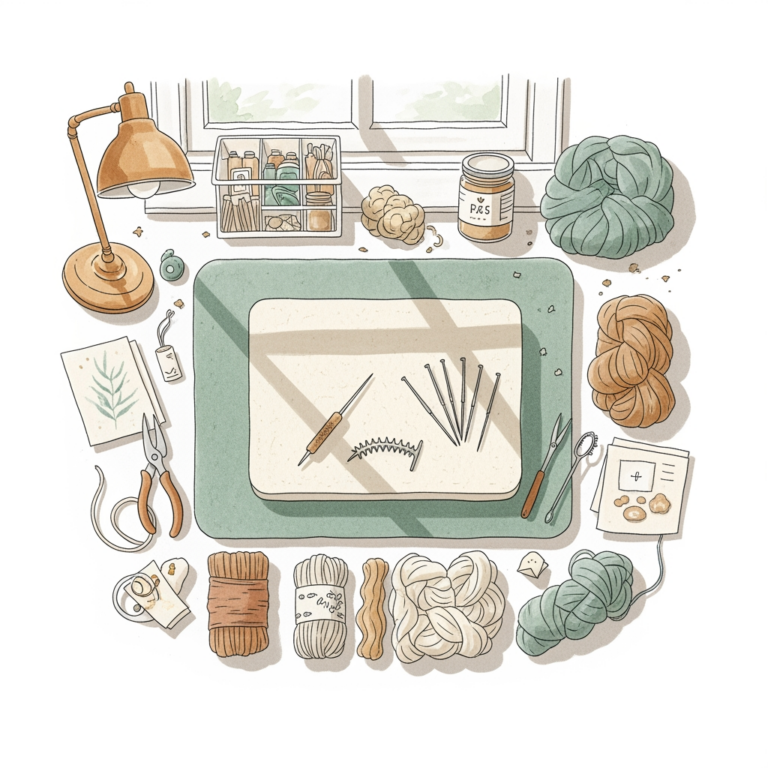
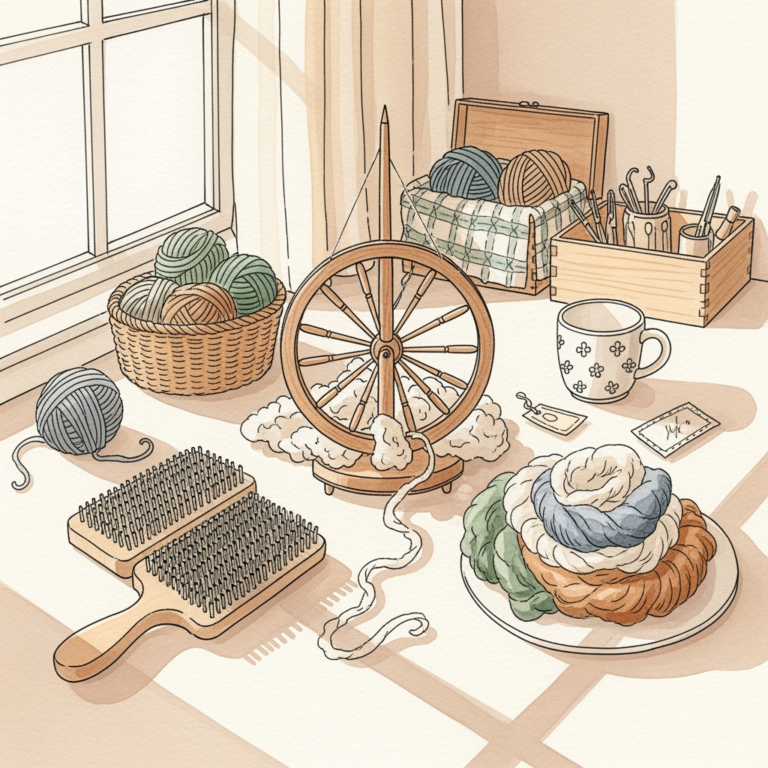
Can I felt my own balls? Absolutely, but it requires patience. Using wool roving and hot, soapy water, you can create custom sizes, but be aware that DIY felted balls are rarely as dense as the professional ones, meaning they may lose their shape faster.
Integrating felted wool balls into your knitting is a rewarding way to add dimension and personality to your handmade items. By selecting the right density and size for your specific project, you ensure that your hard work remains beautiful for years to come. Remember to secure them with care and treat them with the same fiber-conscious maintenance you give your favorite sweaters. Happy knitting, and enjoy the process of adding these charming little accents to your work.