6 Best Machine Knitting Weights For Hem Stability
Achieve professional finishes with our guide to the 6 best machine knitting weights. Discover how to select the right tension for optimal hem stability today.
Achieving a professional, flat hem on a knitting machine is often the difference between a garment that looks homemade and one that looks store-bought. Machine knitting relies entirely on consistent tension, and without the proper weight distribution, your fabric will inevitably pull, pucker, or drop stitches. Understanding how to select and apply the right weights is a foundational skill for every machine knitter. This guide explores the essential tools that keep your fabric under control from the very first cast-on row.
Silver Reed AG10 Transfer Carriage Weights
These specialized weights are designed specifically to work in tandem with the AG10 transfer carriage, which moves stitches from the ribber to the main bed. Because the transfer carriage creates a unique mechanical stress on the needles, these weights provide the necessary downward pull to ensure the loops clear the latches cleanly.
If you are working on a complex lace pattern or a transfer-heavy design, these weights are non-negotiable. They keep the fabric stable enough that the transfer needles don’t snag or bend during the mechanical shift.
The tradeoff here is weight distribution; they are heavier than standard claw weights, so you must be careful not to overload the bed. Always monitor your yarn tension when using these, as the extra pull can sometimes cause thin, delicate yarns to snap.
Passap Weights for Consistent Tension Control


Passap machines operate on a unique push-pusher system that requires a very specific, constant downward force to maintain stitch integrity. Their heavy-duty, bar-style weights are engineered to span the width of the needle bed, providing an even, rhythmic pull that is hard to replicate with smaller claw weights.
For those knitting dense fabrics or heavy wools, these bar weights are superior because they prevent the "laddering" effect that occurs when the fabric isn’t held firmly against the needle bed. They provide a sense of security that allows you to knit at higher speeds without fearing a dropped stitch.
However, they can be cumbersome to manage on smaller projects. You must be comfortable moving them up the work frequently, as they don’t have the "set it and forget it" convenience of smaller clips.
Brother Knitting Machine Claw Weight Set
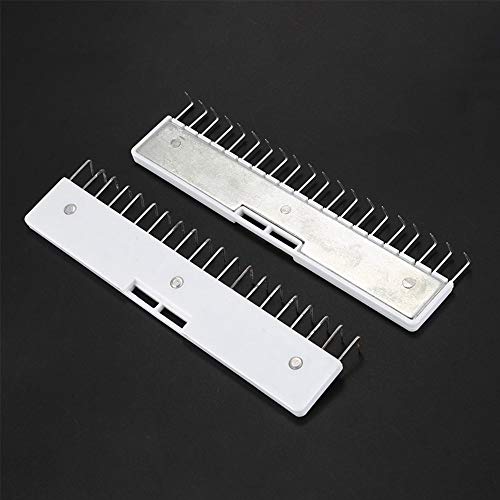
The classic Brother claw weights are the workhorse of the machine knitting world for a reason. Their simple, spring-loaded design allows you to hook them directly into the edge of the fabric, providing localized tension exactly where you need it most.
These are essential for managing the edges of your work, which are prone to curling or dropping stitches due to lack of tension. When you are knitting a wide panel, placing a claw weight every few inches will keep the fabric from bowing in the center.
A common mistake is overloading these weights on the very first row of a cast-on. Start light, and add more as the fabric grows to prevent the needles from bending or the yarn from thinning out under the pressure.
KnitKing Standard Gauge Cast-On Combs
Cast-on combs are the silent heroes of the knitting machine, providing a uniform anchor for your entire row of stitches. The KnitKing style combs are particularly effective because they lock the yarn into the needles, ensuring that every stitch is formed with equal tension from the start.
If you struggle with uneven cast-on edges, the comb is your best friend. It forces the machine to treat the entire row as a single unit, which is vital for preventing the "fish-tailing" effect often seen in the first few rows of a garment.
The main tradeoff is that they occupy space beneath the needle bed, which can be tricky if you are working with a ribber attachment. Ensure your comb is properly aligned before you start knitting, or you risk a catastrophic jam.
Studio Machine Heavy Duty Tension Weights
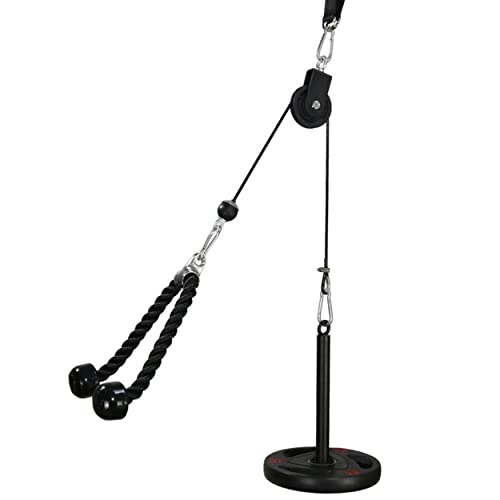
Studio machines often handle a wide variety of yarn weights, and their heavy-duty tension weights are built to accommodate this versatility. These weights are designed to be used in conjunction with the machine’s tension mast, providing a steady pull that compensates for the drag of the yarn cone.
If you are working with cotton or linen—fibers that have little to no elasticity—these weights are indispensable. They keep the yarn taut, which is the only way to ensure the stitches don’t become loose or unevenly sized.
Be wary of using these with delicate luxury fibers like silk or mohair. The added weight can easily stretch the yarn beyond its recovery point, leading to a garment that loses its shape after the first wash.
Singer Knitting Machine Edge Weight Clips

Singer edge weight clips are small, unobtrusive, and incredibly effective for fine-tuning. They are the perfect solution for when the fabric is curling at the selvedge, a common problem with stockinette stitch panels.
Because they are lightweight, they don’t put excessive strain on the individual needles. This makes them ideal for delicate projects where you need just a little extra help at the edges without risking the structural integrity of the fabric.
They are best used in pairs, one on each side of the work, to keep the tension symmetrical. If you find your edges are still pulling in, it is usually a sign that your main tension dial is set too tight, not that you need more weight.
Why Hem Stability Matters in Machine Knitting
Hem stability is the foundation of a well-constructed garment. Without proper tension, the first few rows of a project will look loose, uneven, or distorted, which is nearly impossible to fix during the blocking process.
When you knit, the machine relies on the weight of the fabric to pull the loops down so the latches can close properly. If the fabric is too light or the weight is uneven, the loops won’t clear the latches, leading to dropped stitches or "tuck" errors.
A stable hem also ensures that your gauge remains consistent throughout the garment. If the hem is loose, the rest of the piece will likely suffer from inconsistent stitch size, making the final assembly frustrating and imprecise.
How to Balance Weights for Even Stitch Formation
Balancing weights is an art that comes with practice, but the golden rule is consistency. You want the tension to be evenly distributed across the entire width of the needle bed, not concentrated in one spot.
If you are knitting a wide piece, distribute your weights in a mirror image: one on the left, one on the right, and one in the center. As the fabric grows, move the weights up periodically to maintain that steady, downward pull.
A good test is to gently pull down on your fabric with your hand; if it feels springy and firm, your weights are balanced. If it feels slack or pulls away from the needles, you need to add a bit more weight to that section.
Troubleshooting Common Weight-Related Drop Stitches
Dropped stitches are the most common frustration for machine knitters, and they are almost always caused by improper tension. If you notice a stitch dropping, first check if your weights are actually pulling the fabric down, or if they are resting on the floor or the machine stand.
Another culprit is "weight shadow," where a weight is placed too close to a specific needle, causing it to pull the yarn out of the hook. Shift your weights slightly to the left or right to see if the problem resolves.
If you are using a ribber, ensure your transfer weights aren’t interfering with the ribber needles. A single misaligned weight can cause a chain reaction of dropped stitches across the entire row.
Best Practices for Maintaining Your Weight Tools
Your knitting weights are tools that require care just like your needles. Keep them clean and free of dust or lint, as debris can cause them to catch on your fabric and pull threads.
Periodically check the springs on your claw weights to ensure they are still gripping firmly. If a spring loses its tension, it will slip off the fabric at the worst possible moment, leading to dropped stitches and potential damage to your needle bed.
Store your weights in a dry environment to prevent rust, especially if you live in a humid climate. A well-maintained set of weights will last for decades and remain a reliable part of your knitting toolkit for every project you undertake.
Mastering the use of machine knitting weights is a journey of trial and error that eventually becomes second nature. By understanding how each type of weight interacts with your specific machine and yarn, you can eliminate the most common technical hurdles in your craft. Remember that the goal is always consistent, even tension from the cast-on to the bind-off. With these tools in your arsenal, you are well on your way to creating professional-grade knitwear with confidence.