7 Best Silicone Mats For Drying Small Swatches
Discover the top 7 silicone mats for drying small swatches. Our guide compares heat resistance, grip, and texture to help you achieve professional results.
Every knitter knows the sinking feeling of pulling a finished swatch from a soak, only to have it distort on a flimsy or uneven surface. Proper blocking is the bridge between a "homemade" look and a professional, store-bought finish. While foam mats have long been the standard, silicone surfaces are quietly revolutionizing how we treat our delicate swatches. Investing in the right drying surface ensures your gauge measurements are accurate and your stitches bloom exactly as intended.
We R Memory Keepers Silicone Craft Mat: Best Overall


This mat is a favorite because it strikes the perfect balance between durability and surface texture. It features a non-slip backing that stays put on your dining room table, even if you’re nudging it while pinning down a stubborn lace swatch.
The surface is remarkably easy to clean, which is vital when you’re blocking hand-dyed yarns that might bleed a little color. If you’ve ever had a swatch leave a permanent stain on a foam block, you’ll appreciate how this material resists pigment absorption.

Ultimately, this is the most reliable workhorse for a knitter who swatches frequently. It’s thick enough to provide a bit of cushion for your pins, yet firm enough to keep your edges straight.
Arrtx Non-Stick Silicone Mat for Blocking Swatches
If you’re working with sticky, high-twist cotton or delicate silk blends, the Arrtx mat is an excellent choice. Its ultra-smooth finish ensures that fibers don’t snag or catch when you’re trying to coax a swatch into its final shape.
I find this particularly useful when working with superwash wools that tend to "grow" significantly after a bath. Because the surface is so stable, you can measure your stitches with confidence, knowing the mat isn’t adding any unwanted tension or distortion.
It’s a compact option that fits easily into a project bag or a small drawer. If you’re a minimalist knitter who doesn’t want bulky blocking gear taking up space, this is your best bet.
Gorilla Grip Extra Large Silicone Mat for Knitting
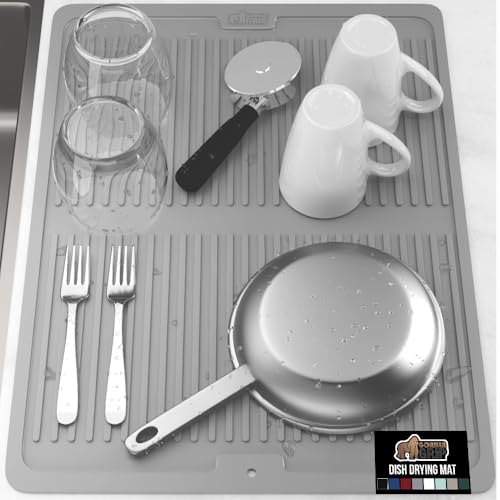
Sometimes you aren’t just blocking a 4-inch swatch; you’re blocking a set of toddler socks or a small cowl. The Gorilla Grip mat provides the expansive surface area you need to lay out multiple pieces at once.
The "grip" in the name isn’t just marketing; it keeps your work from sliding around if you’re using heavy stainless steel pins. This is a game-changer when you’re blocking cables that have a natural tendency to pull and twist as they dry.
The tradeoff here is the footprint. You’ll need a dedicated flat surface, but for the knitter who likes to block an entire project’s worth of components simultaneously, the trade-off is well worth it.
MEEDEN Heat Resistant Silicone Mat for Fiber Arts

While we don’t usually use heat to dry swatches, this mat’s heat resistance is a hidden benefit for those who use steam blocking. If you use a garment steamer to set your stitches, this mat won’t warp or degrade under the moisture and heat.
It’s incredibly dense, which provides a solid foundation for pinning. If you have a heavy hand with your pins, this mat won’t show the "pockmarks" that softer foam mats accumulate over time.
It’s a professional-grade tool that feels like it will last a lifetime. If you’re tired of replacing cheap blocking mats every few years, consider this a long-term investment in your craft.
Reusable Silicone Baking Mat by Silpat for Blocking

Don’t let the "baking" label fool you; Silpats are essentially high-grade, food-safe silicone sheets that work beautifully for fiber. They are exceptionally thin, which makes them perfect for sliding under a swatch that is already pinned to a board.
They are inherently non-stick, meaning your wet yarn won’t bond to the surface. This is a massive advantage when working with mohair or angora, fibers that tend to grab onto any surface they touch.
Because they are so thin, they aren’t meant to hold pins on their own. Use these as a protective layer over your existing boards to keep your yarn clean and your blocking surface pristine.
Nicpro Non-Slip Silicone Craft Mat for Knitters

The Nicpro mat is designed for precision, featuring a subtle texture that helps keep your swatch from "drifting" while it dries. This is especially helpful for beginners who are still learning how much tension to apply when pinning out a square.
It’s also quite flexible, allowing you to roll it up if you need to clear your workspace quickly. The material is thick enough to accept pins, though I recommend using T-pins to ensure they stay vertical.
This is a great mid-range option that offers professional performance without a premium price tag. It’s an honest, no-nonsense tool for the knitter who wants to get the job done right.
Honla Silicone Mat for Small Gauge Swatch Drying
If you’re a sock knitter, you know the importance of a perfect 2.25mm gauge. The Honla mat is perfectly sized for those small, high-density swatches that require precise measurement.
It’s small enough to keep on your desk next to your yarn stash, making it easy to check your gauge before you commit to a full sweater. The surface is easy to wipe down, so you can switch between different fiber types without worrying about cross-contamination of fibers.
It’s a focused tool for a specific task. If your knitting life revolves around small-gauge projects, this mat will become an essential part of your workflow.
Why Silicone Mats Are Superior to Foam Blocking Pads
Foam mats are the traditional choice, but they have significant drawbacks. Over time, the cells in the foam break down, leading to uneven surfaces that can cause your swatches to dry in a distorted shape.
Silicone, by contrast, is non-porous and incredibly stable. It doesn’t absorb water, which means your swatch dries more evenly from both sides without the risk of mildew or lingering "wet wool" smells.
- Longevity: Silicone doesn’t crumble or shed little foam bits into your yarn.
- Hygiene: It’s easy to sanitize, which is crucial if you knit with delicate, light-colored yarns.
- Precision: The surface remains perfectly flat, ensuring your gauge measurements are accurate every time.
How to Properly Pin Swatches on Silicone Surfaces
Pinning on silicone requires a slightly different technique than pinning on foam. Because silicone is denser, you should use sharp, high-quality stainless steel T-pins that won’t rust when they come into contact with your damp swatch.
Angle your pins at a 45-degree slant away from the center of the swatch. This creates tension that keeps the edges straight and prevents the corners from curling up while the yarn is in its "blooming" phase.
Don’t over-stretch the swatch. The goal is to return the stitches to their natural, relaxed state, not to force them into a shape that won’t exist once the garment is off the blocking board.
Essential Tips for Drying Delicate Fiber Swatches
Always roll your wet swatch in a clean, lint-free towel to remove excess water before pinning. Never wring or twist the fabric, as this can break the fibers or permanently distort the stitch structure.
When blocking, keep your swatch away from direct sunlight or intense heat sources. Natural, slow air-drying is the best way to allow the fibers—especially wool and alpaca—to relax and settle into their final gauge.
- Superwash Wool: Needs a bit more pinning because it tends to stretch.
- Silk/Cotton: Benefits from firm, even tension to prevent sagging.
- Mohair/Angora: Requires very light handling to maintain the halo.
Choosing the right silicone mat is about finding a surface that respects your yarn and your time. By moving away from disposable foam and toward durable, non-porous silicone, you ensure that every swatch you block gives you the most accurate gauge possible. Remember, a well-blocked swatch is the best insurance policy against a finished project that doesn’t fit. Happy knitting, and may your gauge always be spot on.