6 Best Craft Scissors For Precision Trimming To Own
Discover the top six craft scissors for precise trimming. This guide evaluates blades and ergonomics to help you choose the best tools for your projects.
Every knitter knows the frustration of a dull blade snagging a delicate strand of hand-dyed merino or struggling to snip a stubborn acrylic end. Precision trimming isn’t just about aesthetics; it is the final step in securing your hard work and ensuring a professional finish. Investing in high-quality scissors transforms your finishing process from a chore into a seamless, satisfying ritual. Here are the top tools that belong in every serious maker’s notions bag.
Gingher 4-Inch Featherweight Embroidery Scissors


These scissors are a classic for a reason, offering a level of finesse that is hard to replicate with bulkier tools. Their slender, pointed tips are perfect for getting right into the base of a knot or trimming a tail flush against your fabric without nicking the surrounding stitches.
For those of us who spend hours weaving in ends on intricate colorwork, the lightweight design prevents hand fatigue. Because they are so small, they offer unparalleled control when you need to snip a single ply of yarn during a repair or grafting session.
However, they are not meant for heavy-duty work. If you try to cut through thick, felted wool or multiple layers of fabric, you will quickly misalign the blades. Treat these as your surgical tools, reserved strictly for yarn and thread.
Kai 7230 Professional 9-Inch Dressmaker Shears

While these are technically dressmaker shears, they are a revelation for knitters who also sew linings into their knitted garments. The weight and balance of these blades allow them to glide through fabric and yarn like a hot knife through butter.
The high-carbon stainless steel ensures that they stay sharp through years of heavy use. When you are trimming heavy wool coatings or bulky sweater knits, you need a tool that doesn’t "chew" the fiber, and the Kai’s precision edge provides a clean, crisp cut every time.
Be aware that their size can be intimidating if you are used to small snips. They are an investment piece, but for the knitter who values a clean edge on every project, they are worth the desk space.
Westcott Titanium Bonded Precision Detail Scissors

These scissors are a fantastic middle-ground tool, offering a durable, non-stick surface that is particularly helpful when working with sticky or treated fibers. The titanium bonding makes the blades significantly harder than standard steel, meaning they hold their edge longer.
The ergonomic handles are a major plus for knitters who suffer from occasional hand strain. When you’ve been knitting on 2.25mm needles for a pair of socks, the last thing you want is a tool that requires a tight, uncomfortable grip to operate.
They aren’t as delicate as embroidery scissors, but they are incredibly reliable. Keep them in your primary notions pouch for everyday trimming, and you’ll rarely find yourself reaching for anything else.
LDH Scissors Midnight Edition Thread Snips
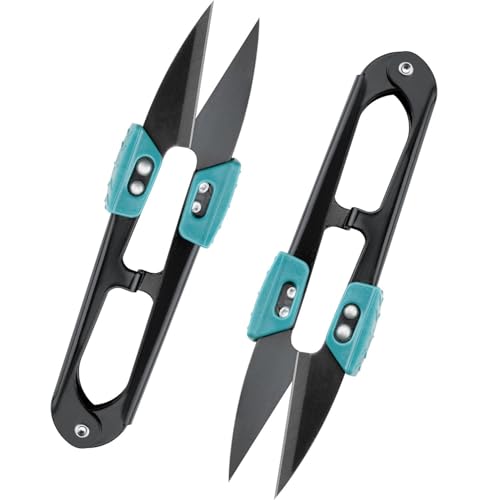
These snips are designed for speed and efficiency, which makes them a favorite for knitters who prefer a spring-loaded action. Instead of putting your fingers through rings, you simply squeeze the sides to make a cut.
This design is incredibly efficient when you are finishing a large project with dozens of yarn ends. The matte black finish isn’t just for looks; it provides a non-slip grip that feels secure even if your hands are a bit tired after a long knitting session.
Because they lack finger loops, they can take a moment to get used to if you’ve only ever used traditional shears. Once you master the rhythm, however, they become an extension of your hand.
Fiskars Amplify Mixed Media 8-Inch Shears

If your knitting hobby overlaps with other crafts, these are the ultimate multitasking shears. They feature a unique mechanism that senses the thickness of the material and adjusts the blade tension accordingly.
This is a game-changer when you are moving from trimming fine lace-weight mohair to cutting through thick, multi-strand wool or heavy-duty cotton cord. You don’t have to worry about the blades separating or bending under the pressure of tougher fibers.
They are heavier than dedicated embroidery scissors, so they aren’t the best choice for delicate, tight-quarters work. Keep them for your larger projects and heavy-duty finishing tasks.
Havel’s Sewing 4.5-Inch Precision Point Scissors

These scissors feature a unique serrated edge that grips the yarn as you cut. This is a massive advantage when working with slippery fibers like silk, bamboo, or superwash wool, which tend to slide away from smooth blades.
The precision point is sharp enough to act as a seam ripper in a pinch, allowing you to pick out a dropped stitch or clear a tangle with ease. They are small enough to fit in any project bag, making them the perfect travel companion for knitting on the go.
They are incredibly sharp, so always keep the protective cap on when they are not in use. If you work with a lot of slick, high-twist yarns, these will quickly become your most trusted tool.
Essential Tips for Keeping Your Blades Sharp
The golden rule of fiber arts tools is simple: never, ever use your fabric scissors on paper, plastic, or wire. Paper contains clay and fillers that act like sandpaper on metal, dulling the edge of your scissors within a few cuts.
If you find yourself needing to cut a tag off a new skein of yarn or trim a piece of cardboard for a pom-pom maker, reach for a cheap pair of utility scissors. Keep your "good" scissors strictly for fiber to maintain their factory-honed edge.
Finally, wipe your blades down with a soft, dry cloth after every few sessions to remove lint and fiber dust. A clean blade is a sharp blade, and keeping them free of debris prevents the pivot screw from getting clogged or gritty.
How to Choose the Right Scissors for Your Fiber
- For delicate lace and fine wool: Choose small, sharp-pointed scissors like the Gingher or Havel’s to ensure you don’t snag adjacent stitches.
- For slick, high-twist fibers: Look for micro-serrated blades that grab the yarn and prevent it from sliding away.
- For heavy, bulky, or felted projects: Opt for larger, heavy-duty shears like the Kai or Fiskars that offer the leverage needed to cut through dense material.
Consider the weight of the tool as well; if you are prone to hand fatigue, prioritize ergonomic handles or spring-loaded designs. Your choice should ultimately be dictated by the "heaviest" material you typically work with, balanced against your need for fine detail.
Why Dedicated Fabric Scissors Matter in Knitting
Many beginners assume that any pair of scissors from the junk drawer will do, but this is a mistake that can damage your finished work. Dull scissors don’t cut fibers cleanly; they crush and fray them, leaving jagged ends that are harder to weave in securely.
When you use dedicated, high-quality fabric scissors, you get a clean, perpendicular cut that makes weaving in ends much neater. A clean cut is less likely to work its way out of your knitting over time, ensuring your hard work stays secure.
Think of your scissors as an investment in the longevity of your garments. By using the right tool, you are essentially "locking in" the quality of your knitting, preventing future unraveling and ensuring a professional, polished look.
Proper Maintenance to Extend Your Tool Lifespan
Periodically check the pivot screw on your scissors to ensure it isn’t too loose or too tight. A properly adjusted screw ensures the blades meet with just enough friction to cut cleanly without grinding against each other.
If your scissors feel "sticky" or resistant, a tiny drop of sewing machine oil at the pivot point can work wonders. Work the blades back and forth a few times, then wipe away any excess oil so it doesn’t transfer to your yarn.
Store your scissors in a protective sheath or a dedicated notions case to prevent the tips from bending. A bent tip is the most common cause of "scissors failure," and protecting that delicate point is the single best way to ensure your favorite pair lasts for decades.
Choosing the right pair of scissors is a small but vital investment in your craft that pays off every time you finish a project. By matching your tool to your specific fiber and project needs, you ensure that every snip is precise, clean, and safe. Treat your blades with respect, keep them away from paper, and they will serve you faithfully for years to come. Happy knitting, and may your ends always be perfectly trimmed!