6 Best Yarn Winders For Center Pull Cakes To Try
Transform your yarn stash with these 6 top-rated winders. Learn which models create perfect center-pull cakes for tangle-free, efficient knitting projects.
There is nothing quite as satisfying as watching a tangled, unruly hank of hand-dyed wool transform into a neat, organized center-pull cake. A high-quality yarn winder is the secret weapon that prevents your precious fibers from becoming a chaotic "yarn barf" during your next project. Choosing the right tool depends on your stash size, how often you wind, and the weight of the yarns you prefer to work with. Let’s explore the best options to keep your knitting flow uninterrupted and your yarn pristine.
Stanwood Needlecraft Large Metal Yarn Winder


This winder is widely considered the gold standard for serious knitters who frequently work with large yardage. Its heavy-duty metal gears provide a smooth, consistent tension that plastic models simply cannot replicate.
If you are a sweater knitter who often deals with 400-yard hanks of worsted weight yarn, this machine will handle the bulk with ease. The metal construction ensures that the gears won’t strip after a few dozen cakes, making it a true "buy it for life" investment.

The primary tradeoff is the footprint; it is a substantial piece of equipment that requires a sturdy table edge. However, for those who value stability and longevity, the Stanwood is an unparalleled workhorse.
Knit Picks Yarn Ball Winder: Best Value Pick
For the knitter who is just beginning to build a collection of hanks rather than store-bought balls, this winder is the perfect entry point. It is affordable, compact, and gets the job done without unnecessary bells and whistles.
While it is made mostly of plastic, it is surprisingly durable for lighter, everyday use. It is ideal for winding fingering weight sock yarn or standard DK weight wools into tidy, manageable cakes.

Don’t expect it to handle massive, heavy-weight skeins without some careful monitoring of the tension. Keep it light, keep it steady, and this little machine will serve you well for years of sock knitting.
Lacis Yarn Ball Winder: The Reliable Classic
The Lacis winder has been a staple in knitting bags for decades, and for good reason. It features a simple, intuitive design that prioritizes ease of use over complex mechanics.
It is particularly well-suited for those who prefer a manual operation that feels tactile and responsive. When you are winding a delicate lace-weight mohair, you want to "feel" the yarn as it travels through the guide, and this winder allows for that level of control.
It may lack the high-capacity spool of larger models, but its reliability is unmatched. If you want a no-nonsense tool that works every time you set it on your table, this is a fantastic choice.
U-nitt Metal Yarn Winder With Large Capacity
If you are a fan of bulky, super-bulky, or art yarns, you know the struggle of a standard winder overflowing before the skein is finished. The U-nitt offers a significantly larger capacity, making it a dream for those working on chunky blankets or heavy-duty winter accessories.
The metal components provide the necessary torque to pull heavier fibers without the gears slipping or stuttering. It creates a larger, more stable cake that won’t collapse as you pull from the center.
Be mindful that this winder requires a bit more space and a very firm table attachment. It is a specialized tool, but if your stash is full of thick, luxurious wools, it is well worth the extra desk real estate.
NAKAN Yarn Winder for Heavy Duty Projects
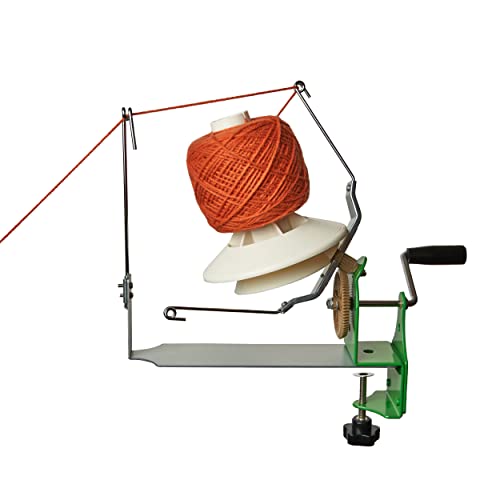
The NAKAN is built for the knitter who treats their yarn winding like a professional operation. It features a robust design that can handle high-volume winding sessions without overheating or showing signs of wear.
This winder is particularly effective for those who buy yarn in large cones or bulk hanks and need to break them down into smaller, project-sized portions. Its heavy-duty construction ensures that the tension remains uniform from the first yard to the last.
It is an excellent choice for those who host knitting circles or manage a large, active stash. While it is an investment, the consistency it provides for complex projects makes it a favorite among advanced makers.
ChiaoGoo Hand-Operated Yarn Winder Review
ChiaoGoo is a brand synonymous with quality needles, and their winder carries that same reputation for precision. It is designed with the ergonomic needs of the knitter in mind, featuring a smooth handle that doesn’t strain the wrist during long sessions.
The gear ratio is optimized to provide a quick, efficient wind without sacrificing control. It is a fantastic bridge between entry-level plastic models and the heavy-duty metal professional machines.
It is particularly great for those who value a clean, professional-looking cake. If you enjoy the aesthetic of your stash as much as the knitting itself, this winder produces consistent, beautiful results every time.
How to Choose the Right Winder for Your Yarn
- Weight Matters: Fingering weight yarn can be wound on almost anything, but heavy bulky yarns require metal gears and a large spool.
- Fiber Type: Slippery yarns like silk or bamboo require a winder with a very smooth guide to prevent snags and uneven tension.
- Capacity Needs: Check the maximum ounce capacity of the winder against the size of the hanks you typically purchase.
- Table Clearance: Always measure the thickness of your table, as some winders have limited clamp openings.
Manual vs Electric: Which Winder Is Best?
Manual winders offer a level of "hands-on" control that is vital when dealing with hand-dyed, delicate, or novelty yarns. You can instantly stop if you feel a knot or a snag, preventing the yarn from snapping under the pressure of a motor.

Electric winders, conversely, are incredible time-savers for those who wind dozens of hanks at a time. They provide a perfectly even tension that is difficult to replicate by hand, but they can be unforgiving if a tangle occurs.

If you are a casual knitter, a manual winder is usually sufficient and offers a better connection to your materials. If you are a prolific producer of garments, the time saved by an electric model will quickly pay for itself.
Proper Maintenance for Your Yarn Winder Gear
Even the best winders need a little TLC to keep them running smoothly. Periodically check the gears for dust or stray fibers, which can cause the mechanism to bind or click during use.
A tiny drop of sewing machine oil on the main drive gear can work wonders for a winder that has started to feel "gritty." Never force the handle or the motor if you feel resistance; always stop and clear the path of the yarn first.
Store your winder in a clean, dry place to prevent the metal parts from oxidizing or the plastic from becoming brittle. A well-maintained winder will last for decades, whereas a neglected one will lose its smooth rotation within a year.
Troubleshooting Common Yarn Winder Problems
- The "Yarn Barf" Effect: This usually happens when the yarn is wound too loosely; try increasing the tension by holding the yarn slightly tighter as you feed it.
- Slipping Gears: If you hear a clicking sound, check for debris in the gear teeth or ensure the winder is clamped firmly to a level surface.
- Uneven Cakes: Ensure your yarn guide is fully extended and positioned correctly, as an off-center feed will cause the yarn to pile up on one side of the cake.
- Tension Issues: If your yarn is snapping, check the guide for rough spots or burs that might be catching the fibers as they pass through.
Investing in a quality yarn winder is one of the most practical upgrades you can make for your knitting practice. By taking the time to wind your hanks into center-pull cakes, you protect your yarn and ensure a much more enjoyable, tangle-free knitting experience. Whether you choose a reliable manual model or a heavy-duty metal workhorse, your future self will thank you every time you pull a smooth, clean strand from the center of a cake. Happy winding, and may your stitches always be even.