6 Best Storage Bins For Leftover Scrap Yarn Options
Organize your craft space with our top 6 storage bin picks for scrap yarn. Learn how to keep leftovers sorted, tangle-free, and ready for your next project.
Every knitter eventually faces the "scrap pile dilemma," where leftover yarn bits threaten to take over their studio space. Choosing the right storage is more than just tidying up; it is about preserving the integrity of your fibers for future projects. These six storage solutions balance accessibility with protection, ensuring your stash remains ready for that next spontaneous colorwork project. By organizing your leftovers effectively, you turn a chaotic heap into a curated library of creative potential.
Sterilite Gasket Box: Best Airtight Scrap Storage
If you are storing luxury fibers like hand-dyed merino, alpaca, or silk, you need an airtight seal. These boxes feature a silicone gasket that locks out moisture, dust, and, most importantly, the pests that love high-protein fibers.
When you invest in expensive indie-dyed yarn, a standard plastic bin often isn’t enough to protect your investment. The gasket seal creates a controlled environment that keeps your delicate scraps in pristine condition for years.
The trade-off here is accessibility; because the lid is gasketed and latched, it takes a moment to open. This is the ideal "long-term" storage option for those precious bits of cashmere or angora you are saving for a special heirloom project.
Iris USA Plastic Bin: Best Clear View Organizer


Visibility is the secret to actually using your scraps. If you cannot see the color and texture of your yarn, it effectively ceases to exist in your creative workflow.
The Iris USA bins are exceptionally clear, allowing you to scan your color palette at a glance. For a knitter planning a scrappy blanket or a pair of striped socks, being able to spot that perfect pop of neon yellow without digging through opaque boxes is a game-changer.
Because these bins are lightweight and stackable, they are perfect for organizing by weight or fiber content. Just be aware that clear plastic provides no UV protection, so keep these away from direct sunlight to prevent your yarn from fading over time.
Container Store Modular Bin: Best Stackable Option

Knitting spaces are rarely large enough, making vertical storage a necessity. These modular bins allow you to build your storage system upward, maximizing your footprint while keeping your scraps organized.
The beauty of a modular system is its ability to grow alongside your stash. You can start with a few small units for fingering-weight bits and add larger drawers as your collection of bulky wool scraps expands.
The trade-off is the cost, as these systems are an investment compared to basic bins. However, the structural integrity and the ability to customize your layout make them a favorite for knitters who treat their workspace as a professional studio.
Whitmor Fabric Cube: Best Soft-Sided Scrap Basket

Sometimes, you want a storage solution that feels less clinical and more domestic. Fabric cubes are soft-sided and breathable, which is perfect for sturdy, non-delicate fibers like acrylic or superwash wool.
These are excellent for "active" scrap piles—the bits you are currently using for a multi-week project. They are easy to grab, move to the couch, and stow away when guests arrive.
Be cautious, however, as fabric bins offer zero protection against moths or silverfish. Use these only for yarns you plan to use within a few months, and avoid storing your most expensive natural fibers in them long-term.
Seville Classics Drawer: Best Divided Scrap Unit

If you are the type of knitter who loves to categorize, a drawer unit with dividers is your best friend. It prevents your yarn bits from tangling into a "yarn barf" mess, which is a common frustration when storing loose scraps together.
Dividers allow you to separate scraps by color, weight, or even by project type. Imagine having a dedicated drawer for sock-weight scraps and another for worsted-weight leftovers; it makes pulling yarn for a new project seamless.
The metal construction is durable, though it can be heavy to move once fully loaded. It is a stationary solution, best suited for a corner of your craft room that serves as your primary "yarn library."
mDesign Plastic Organizer: Best Compact Yarn Bin
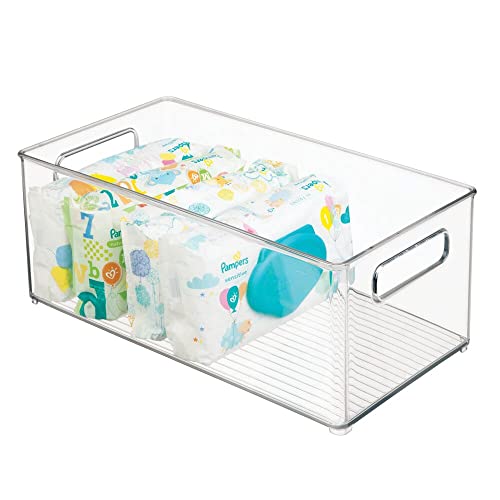
Not every scrap collection requires a massive storage system. If you keep a small stash of "current" scraps near your favorite knitting chair, a compact mDesign bin is the perfect size.
These bins are designed to fit on shelves or inside cabinets without taking up excessive depth. They are ideal for holding balls of yarn that are already wound and ready to be incorporated into a new design.
Because they are open-topped, they are meant for high-rotation yarns. They are not designed for long-term storage, but they are unmatched for keeping your immediate workspace tidy while you work on complex colorwork.
How to Sort Your Scraps by Weight and Fiber Type
Sorting by weight is the most practical way to organize scraps because it dictates your project options. You cannot easily mix lace-weight mohair with bulky wool in the same garment without accounting for drastic differences in gauge.
Create separate zones for:
- Fingering/Sock: Perfect for heels, toes, and small colorwork motifs.
- Sport/DK: Great for hats, mittens, and textural accents.
- Worsted/Aran: Ideal for heavy-duty items like sweaters or blankets.
Always group by fiber type as well, keeping your superwash wools separate from non-superwash. Mixing these can lead to disastrous blocking outcomes, as one will grow significantly more than the other when wet.
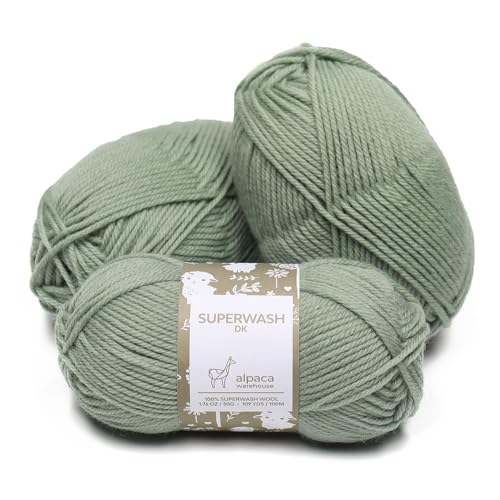
Preventing Moth Damage in Your Yarn Scrap Stash
Moths do not care how beautiful your knitting is; they only care about the protein in your natural fibers. Wool, alpaca, silk, and mohair are all targets for hungry larvae, especially if the yarn has been handled and contains traces of skin oils.
To keep your stash safe:
- Clean before storing: Ensure all scraps are free of food particles or heavy perspiration.
- Use cedar or lavender: These natural repellents are effective and smell much better than mothballs.
- Seal it up: If you aren’t using the yarn, keep it in an airtight container to physically block pests from entering.
If you find a suspicious "webbing" or tiny holes in your yarn, quarantine the bin immediately. Freeze the yarn for 48 hours to kill any potential eggs before deciding whether to salvage or discard the fibers.
Creative Ways to Use Up Small Bits of Leftover Yarn
When you have tiny, one-yard scraps that aren’t enough for a full stripe, think about textural additions. These bits are perfect for embroidery, duplicate stitch embellishments, or even creating "yarn pom-poms" for project bags.
Consider these projects for your smallest bits:
- Scrappy swatches: Practice new cables or lace stitches without committing to a full skein.
- Darning: Keep a small bin of neutral scraps specifically for mending your hand-knit socks.
- Tassels and fringes: Add a bohemian touch to a shawl or a throw blanket.
Don’t feel pressured to use every single inch immediately. Sometimes, holding onto a small bit of yarn for years is worth it when you finally find the perfect project to use that specific color.
Tips for Organizing Yarn Scraps by Color Palette
Organizing by color is visually inspiring, but it can be deceptive if you ignore weight. I recommend a "hybrid" system: use weight-based containers first, then organize the contents by color family within those bins.
Use clear bags or small boxes to group colors like "cool blues/greens" or "warm earth tones." This makes it incredibly easy to pull a cohesive palette for a stranded colorwork project or a temperature blanket.
Remember that color perception changes based on the fiber’s sheen and texture. A matte cotton scrap will look very different next to a shiny silk blend, even if they are both "blue." Experiment with your groupings until they spark joy when you open the bin.
Organizing your scrap yarn is an act of respect for the materials you’ve collected over your knitting journey. Whether you choose airtight gasket boxes for your luxury fibers or simple fabric bins for your daily projects, the goal is to keep your stash accessible and safe. By sorting your leftovers by weight, fiber, and color, you transform a pile of "bits" into a curated resource. Now, go open those bins and see what new, scrappy masterpiece you can cast on today.