7 Best Stitch Holders For Bulky Projects To Try
Managing heavy yarn is tough. We’ve reviewed the 7 best stitch holders for bulky projects to ensure your stitches stay secure and your knitting remains stress-free.
When you’re working with bulky yarn, standard metal stitch holders often feel like they’re fighting against the weight of your fabric. The sheer mass of a chunky sweater or heavy blanket can cause stitches to sag or, worse, pop right off a flimsy pin. Choosing the right tool ensures your hard work stays secure during those long breaks between knitting sessions. Here are the best options to keep your bulky projects safe and sound.
Cocoknits Stitch Holders: Best Overall Choice

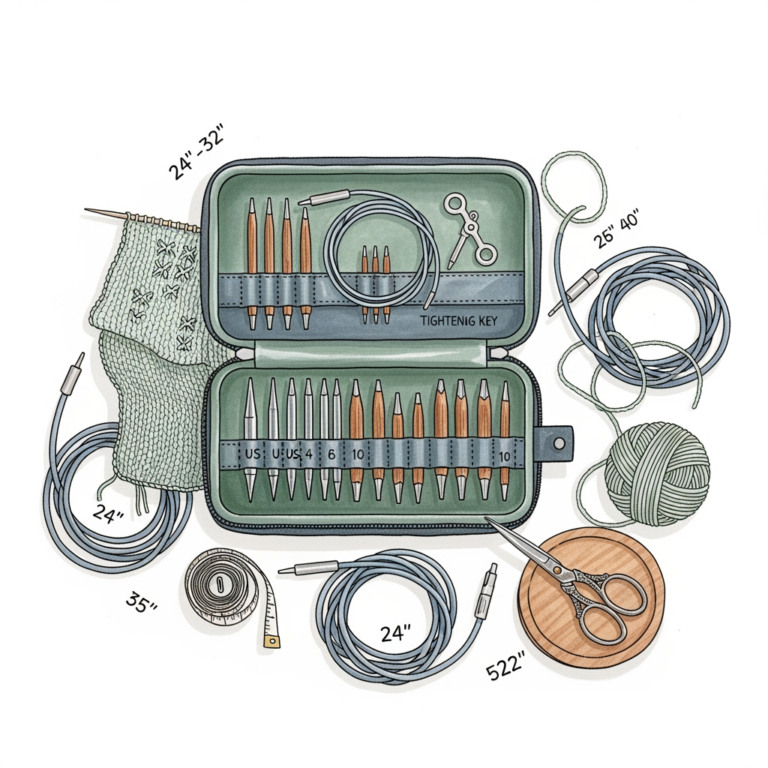
Cocoknits has revolutionized the way we store stitches by moving away from the traditional safety-pin style. These holders feature a flexible cord that connects to a needle tip, allowing you to transfer stitches easily without stretching them out.
For bulky projects, the flexibility of the nylon cord is a game changer. Unlike rigid metal bars, these cords bend with the weight of your yarn, preventing the "v-shape" distortion that often occurs when heavy wool sits on a stiff holder.
The biggest advantage here is the ability to try on your work. Because the cord acts like a circular needle, you can slide your stitches onto the cable to check the fit of a garment before finishing.
Clover Jumbo Stitch Holders: Best for Bulky Yarn
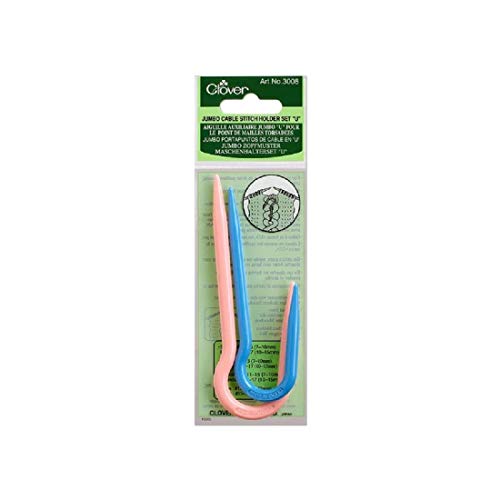
If you are working with super-bulky or jumbo-weight yarns, standard holders will simply be too small. Clover’s jumbo holders are designed with a wider gauge and a longer reach to accommodate the thickness of thick, lofty fibers.
The locking mechanism on these is particularly robust, which is essential when dealing with the heavy tension of bulky yarn. You don’t want a holder popping open under the weight of a heavy wool-blend blanket.
Keep in mind that these are rigid, so they aren’t ideal for checking the fit of a sweater. However, for holding large sections of a project that won’t be moved often, they are incredibly reliable.
Brittany Birch Stitch Holders: Best Wood Option
Wood is often overlooked for stitch holders, but it offers a unique advantage: grip. If you are working with slippery fibers like silk-wool blends or certain superwash yarns, metal holders can sometimes slide out of your stitches.
Brittany Birch holders provide just enough friction to keep your stitches exactly where you left them. They are also incredibly lightweight, which reduces the drag on your fabric while it sits in your project bag.
While they are beautiful, wood does have its limits. Avoid using them if your project is extremely heavy, as the wood can snap under significant pressure if it gets snagged in your bag.
Susan Bates Plastic Holders: Best Budget Pick

When you have multiple bulky projects on the needles, you don’t always want to spend a fortune on storage. Susan Bates plastic holders are the classic, affordable solution that every knitter has in their kit.
The plastic material is surprisingly smooth, meaning it won’t snag on delicate or fuzzy mohair yarns. They are also very lightweight, ensuring they don’t add unnecessary bulk to your already hefty project.
The tradeoff is the durability of the clasp. Over time, the plastic hinge can become brittle or lose its "snap," so it’s wise to keep an eye on them if you’re storing a project for a long period.
Knitter’s Pride Mindful Holders: Best Durability

These holders are built for the knitter who values longevity and a sleek aesthetic. Made from high-quality stainless steel, they are virtually indestructible and won’t bend or warp, even when holding heavy, water-logged wool.
The finish is exceptionally smooth, which is vital when working with yarn that has a high stitch count or complex textures. You won’t find any burrs or rough edges here to catch your yarn.
They come in various sizes, but for bulky projects, the larger diameter options are essential. They offer a premium feel that makes the process of moving stitches feel intentional and secure.
ChiaoGoo Stitch Markers: Best Flexible Option
While technically designed as markers, many experienced knitters use ChiaoGoo’s flexible nylon cables as makeshift stitch holders. By using a connector to join two ends of a cable, you create a custom-length holder that perfectly fits your project.
This is the ultimate solution for bulky sweaters where you need to hold a large number of stitches for a long duration. Because it mimics the cable of your circular needles, your fabric sits naturally without being forced into a straight line.
The only downside is that you need to have the right accessories on hand. It requires a bit of "knitter’s math" to ensure you have the right cable length and connectors, but the payoff in stitch integrity is unmatched.
Boye Aluminum Stitch Holders: Best Classic Style

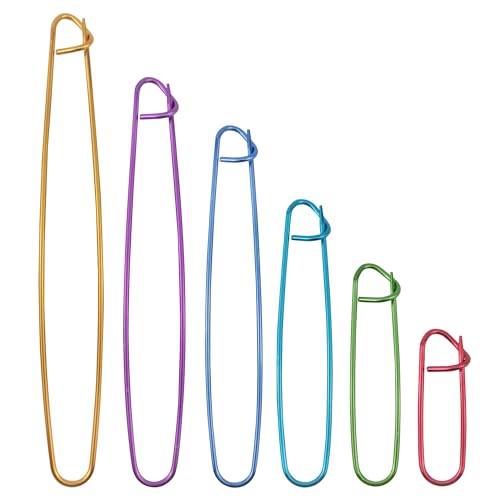
The Boye aluminum holder is the industry standard for a reason. They are lightweight, inexpensive, and widely available, making them a staple for any knitter’s notions bag.
For bulky projects, the aluminum is stiff enough to hold the weight without bending, but soft enough that it won’t damage your yarn. They are a "set it and forget it" tool that just works.
However, they can be a bit slick. If you are using a very smooth, high-twist yarn, make sure the clasp is fully engaged to prevent the stitches from sliding off the end.
How to Choose the Best Holder for Bulky Projects
When selecting a holder for bulky yarn, consider the "weight-to-flex" ratio. A heavy wool project needs a holder that won’t bend, but a garment that needs to be tried on requires a flexible cord.
- For Fit Testing: Always choose a flexible cable system.
- For Long-Term Storage: Choose a sturdy, locking metal or plastic pin.
- For Slippery Yarn: Opt for wood or matte-finish metal to prevent migration.
Always ensure the holder is thick enough to support the yarn weight. If the holder is too thin, it will create an unsightly "trough" in your stitches that can be difficult to block out later.
Why Material Matters for Heavy Knitting Projects
The material of your holder dictates how your yarn behaves while in storage. Metal is excellent for strength but can be cold and slippery; wood is warm and grippy but prone to snapping.
If you are working with a fiber that has a lot of memory—like a high-twist wool—metal is fine. If you are working with a delicate, lofty yarn like alpaca, the gentle surface of wood or smooth plastic is safer to prevent fiber breakage.
Remember that heavy projects pull on the stitches at the ends of the holder. A material that is too sharp or abrasive will cause those end stitches to fray or thin out over time.
Tips for Preventing Stretched Stitches on Holders
The biggest mistake knitters make is leaving stitches on a holder that is too small for the project’s circumference. This forces the stitches to stretch beyond their natural gauge, which can lead to permanent distortion.
When transferring stitches, always ensure you aren’t pulling the yarn taut as you move it. Let the stitches sit naturally on the holder, just as they would on your needle.
If you must store a project for months, check on it periodically. Gently "fluff" the stitches on the holder to prevent them from becoming compressed or set in a stretched position.
Choosing the right stitch holder is a small detail that makes a massive difference in the final quality of your bulky projects. Whether you prefer the flexibility of a cable system or the security of a locking pin, prioritize the health of your yarn and the shape of your stitches. With these tools in your kit, you can confidently set aside your heavy projects knowing they will be ready to pick up exactly where you left off. Happy knitting!