7 Best Fingering Weight Yarn Skeins For Colorwork Patterns
Discover 7 top fingering weight yarns for colorwork. We analyze texture, twist, and color range to help you choose the perfect match for your next project.
Selecting the right fingering weight yarn for stranded colorwork can make the difference between a garment that sings and one that sags. When you are juggling two or more strands, the fiber’s grip and elasticity are your most vital tools for achieving a professional finish. This guide breaks down the best options to help you choose a yarn that behaves well on your needles. Whether you are a beginner tackling your first colorwork cowl or a seasoned pro designing a complex yoke sweater, these yarns offer the structural integrity you need.


Jamieson’s of Shetland Spindrift: Best for Heritage
When you think of traditional Fair Isle knitting, you are likely picturing Jamieson’s Spindrift. This yarn is the gold standard for heritage colorwork because it is sourced from Shetland sheep, providing a distinct "tooth" that locks stitches together.
Because this yarn is slightly sticky, it is incredibly forgiving for beginners. If your tension wavers, the fibers grab onto each other during the blocking process, smoothing out any minor inconsistencies in your floats.
However, be prepared for a rustic feel. This is not a soft, next-to-skin merino, so it is best suited for outer garments like cardigans or vests that are layered over a base shirt.
Brooklyn Tweed Loft: Best for Woolen-Spun Texture
Loft is a woolen-spun yarn, meaning the fibers are carded rather than combed, trapping more air and creating a lightweight, lofty fabric. This structure makes it ideal for colorwork because the yarn fills space beautifully, creating a dense, warm fabric without unnecessary bulk.
The matte finish of this wool is excellent for showing off intricate motifs. Because it is so airy, it creates a "halo" that helps bridge the gaps between color changes, making your transition points look seamless.
Just be aware that woolen-spun yarns are more delicate than their worsted-spun counterparts. If you are prone to aggressive knitting or frequently ripping back your work, handle this yarn with a bit of extra care to avoid snapping the strand.
Quince & Co. Finch: Best for Crisp Stitch Detail
Finch is a smooth, worsted-spun American wool that offers incredible stitch definition. If you are knitting a pattern with complex geometric lines or tiny, delicate motifs, this yarn will make them pop with absolute clarity.
The tight twist of this yarn makes it exceptionally sturdy, which is a huge advantage for colorwork projects that see a lot of wear, like mittens or hats. It resists pilling better than softer, loftier yarns, ensuring your hard work stays looking fresh for years.
Because it is so smooth, it lacks the "grip" of a Shetland wool. If you struggle with keeping your floats even, you might find that you need to pay closer attention to your tension as you work across the row.
Kelbourne Woolens Germantown: Best Value Option
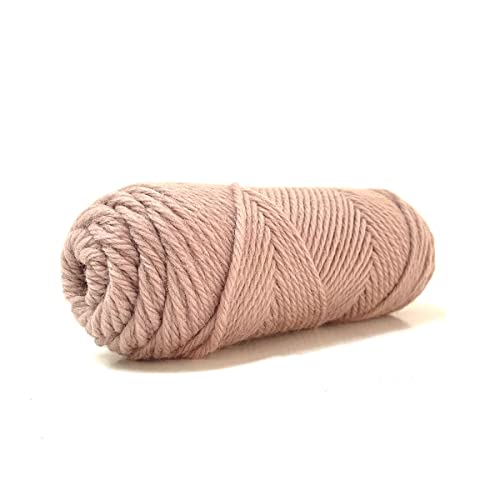
Germantown is a workhorse yarn that offers a fantastic balance of quality and affordability. It is a classic, bouncy wool that is incredibly consistent, making it a reliable choice for large-scale projects like a full-length colorwork sweater.
This yarn is sturdy enough to withstand the friction of being passed back and forth across the needles. For knitters who are practicing their stranded technique and expect to do some "tink-ing" (unknitting stitch by stitch), it is a very forgiving and durable partner.
While it lacks the complex color palettes of luxury hand-dyed brands, the available range is solid and dependable. If you want to build a large colorwork stash without breaking the bank, this is your go-to.
Madelinetosh Tosh Merino Light: Best Color Range
If your colorwork project relies on subtle shifts or dramatic, high-contrast palettes, Madelinetosh is unmatched. The depth of color achieved through their kettle-dyeing process gives every skein a slight tonal variation that adds incredible dimension to a finished piece.
This is a 100% superwash merino, which means it is very soft and has a beautiful drape. It’s perfect for accessories like cowls or lightweight shawls where you want a luxurious feel against the neck.
Keep in mind that the superwash treatment makes the yarn slippery and prone to growing after washing. Always swatch and wash your gauge square exactly as you intend to wash the finished garment to avoid a sweater that stretches out of shape.
Sandnes Garn Sunday: Best Non-Superwash Merino

Sandnes Garn Sunday has become a favorite among modern designers for its clean, non-superwash finish. It offers the softness of merino without the excessive "slickness" that can sometimes make superwash yarns difficult to manage in stranded knitting.
Because it is not superwash, it retains the natural elasticity of the wool. This is a massive benefit for colorwork; the stitches will snap back into place, helping to maintain a consistent gauge even when you are carrying long floats.
It is a very round, smooth yarn that feels great on the needles. If you want the softness of merino but need the structural reliability of a traditional wool, this is the perfect middle ground.
Isager Alpaca 2: Best for Softness and Drape
Isager Alpaca 2 is a sophisticated blend of wool and alpaca that offers a beautiful, subtle halo. The alpaca content adds a touch of luxury and warmth, while the wool provides the structure necessary to hold a colorwork pattern’s shape.
This yarn is exceptionally light, making it a dream for garments that you want to be warm but not heavy. The drape is elegant, which makes it a standout choice for colorwork yokes that flow into a plain-knit body.
Because of the alpaca content, it has a slightly different tension profile than 100% wool. It is wise to knit a slightly larger swatch than usual to ensure you have a good sense of how the fabric will behave once blocked.
Why Non-Superwash Wool Excels in Colorwork
Non-superwash wool is the secret weapon of the stranded colorwork knitter. The scales on the fiber remain intact, which provides a natural "grip" that helps your floats stay anchored and your stitches remain uniform.
Superwash wool, by contrast, has had those scales removed or smoothed over to make it machine-washable. While this makes for a soft, easy-care fabric, it also makes the yarn slicker and more prone to stretching, which can leave your colorwork looking uneven.
If you are a beginner, starting with a non-superwash wool will likely result in a much tidier final product. The fibers "bloom" during blocking, filling in the small gaps between stitches and creating a cohesive, professional-looking fabric.
Comparing Twist and Ply for Even Stitch Tension
The way a yarn is plied—the number of strands twisted together—drastically affects how it behaves on your needles. A 3-ply or 4-ply yarn generally offers a rounder cross-section and more consistent tension than a single-ply yarn.
Twist direction and tightness also play a role. A yarn with a tighter twist is usually more durable and less prone to splitting, which is a major benefit when you are managing multiple strands of yarn at once.
If you find that your stitches are leaning or your tension is inconsistent, look at the twist of your yarn. A balanced, multi-ply yarn is almost always easier to manage for stranded colorwork than a loosely twisted, single-ply alternative.
How to Manage Multiple Colors Without Tangling
The biggest hurdle in colorwork is keeping your yarn strands from becoming a knotted mess. The key is to establish a consistent "yarn management" system, such as keeping your dominant color in one hand and your secondary color in the other.
If you are a continental knitter, you might try using a colorwork ring or a specialized thimble to keep the strands separated. These tools act as a guide, preventing the yarns from twisting around each other as you work.
Finally, don’t be afraid to stop and "untwist" your yarn balls every few rows. A simple pause to reset your workspace prevents the dreaded "yarn bird’s nest" and keeps your knitting experience meditative rather than frustrating.
Choosing the right yarn for your next colorwork project is an investment in your own success. By understanding how fiber structure, ply, and twist affect the final fabric, you can move away from guesswork and toward intentional, beautiful results. Remember that your personal tension is the final variable, so always swatch to see how your chosen yarn behaves in your hands. Happy knitting, and enjoy the process of watching your colors come to life.