7 Best Felt Sheets For Flower Backing To Try
Discover the top 7 felt sheets for flower backing. Learn which materials offer the best durability, texture, and color variety for your floral craft projects.
Adding a felt backing to your knitted flowers is the professional finishing touch that transforms a simple project into a polished heirloom. A sturdy backing hides unsightly yarn tails while providing the structural integrity needed for pins, hair clips, or brooches. Selecting the right felt is about finding the balance between weight, grip, and aesthetic cohesion with your chosen yarn. Here are seven of the best felt options to elevate your fiber art.
The Felt Store Premium Wool Blend: Best Overall Pick


This wool-blend felt offers the perfect middle ground for knitters who want high-end quality without the fragility of 100% pure wool. It strikes a balance between being soft enough to cut cleanly and firm enough to hold its shape against the tension of a pin back.
When you spend hours perfecting the tension on a delicate petal, you don’t want a flimsy backing that stretches or warps. This blend is dense enough to prevent "pilling" when you’re constantly attaching and removing your flower from a sweater or lapel.
The bottom line is that this is the workhorse of the craft room. It handles heavy-weight wool yarns and delicate lace-weight mohair with equal grace, making it the most reliable choice for a diverse stash.
Kunin Eco-Fi Classic Felt: Best Budget Choice

If you are mass-producing knitted flowers for a craft fair or a large-scale project, you need a cost-effective solution that doesn’t sacrifice structural integrity. Kunin’s Eco-Fi is made from recycled plastic bottles, which gives it a slightly more rigid, plastic-like hand compared to natural fibers.
Because it is synthetic, it does not fray at the edges, which is a massive advantage if you aren’t a fan of meticulous edge finishing. However, be aware that it can feel a bit "slick" against certain luxury fibers like alpaca or silk.
It’s an excellent choice for beginners who are still practicing their assembly techniques. You can afford to make mistakes with this material, as it is inexpensive and widely available at most local craft retailers.
Benzie Design Wool Felt Sheets: Best Color Range

Color matching is the bane of many knitters’ existences, especially when you’ve spent weeks hunting for the exact shade of hand-dyed yarn. Benzie Design offers an exhaustive palette that allows you to find a backing that perfectly complements your petal colors rather than clashing with them.
The quality of this wool blend is exceptional, providing a soft, matte finish that feels sophisticated. It’s particularly useful for those who create intricate, multi-colored flowers where a standard "off-white" backing would look jarring.
If you are selling your work online, the professional look of a color-matched backing is a detail that customers notice. Invest in a variety pack to ensure you always have the right tone on hand for your next color-work project.
National Nonwovens WoolFelt: Best For Durability

National Nonwovens is a staple in the textile industry for a reason: their felt is incredibly dense and resists the wear and tear of daily use. If you are attaching your knitted flowers to a frequently used item like a bag or a winter coat, this is the material you want.
The density of this felt means it won’t compress over time, even if you’re using heavy-duty jewelry findings. It maintains its thickness, ensuring that your brooch pins don’t snag or pull through the backing after a few months of wear.
While it is slightly more expensive, the longevity it adds to your finished piece is well worth the price. It is the gold standard for items intended to be keepsakes.
Sulky Felty Premium Sheets: Best For Precision Work

Precision is key when you are working with tiny, delicate knitted blossoms. Sulky Felty is exceptionally thin and uniform, allowing you to cut intricate shapes or small circles without the bulk that thicker felts often introduce.
Because it is so fine, it doesn’t add unnecessary weight to your project. This is vital if you are pinning a flower to a lightweight garment, like a silk shawl or a fine-gauge cardigan, where a heavy backing would cause the fabric to sag.
If your knitting style involves fine needles and thin yarn, you need a backing that respects that delicacy. This is your go-to for minimalist, elegant finishes where "less is more."
FeltCreative Wool Blend: Best For Texture Lovers
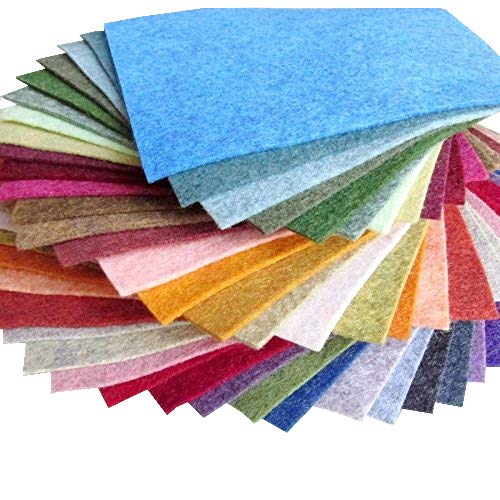
FeltCreative provides a beautiful, slightly "fuzzy" texture that mimics the natural fibers of your hand-knit flowers. It doesn’t have that flat, manufactured look that some synthetic felts suffer from, making it feel like a cohesive part of the garment.
This texture also provides a bit of "grip," which is helpful if you are attaching your flower to a smooth surface like a hat or a headband. It prevents the flower from sliding around, keeping it exactly where you placed it.
It’s a great choice for those who value the "handmade" aesthetic above all else. The tactile quality of this felt adds an extra layer of luxury to your finished projects.
Purl & Loop Merino Felt: Best For Heirloom Crafts
Merino wool is the crown jewel of the fiber world, and using it for your backings is the ultimate indulgence. It is incredibly soft, naturally biodegradable, and possesses a refined finish that screams quality.
This is the felt you choose for heirloom-quality gifts or professional gallery pieces. It feels expensive to the touch, which reinforces the value of the time and skill you put into your knitting.
While it is a premium product, the finish is unmatched. If you are gifting a piece to a loved one, this felt ensures that every inch of the project is made with the highest quality materials available.
How To Choose The Right Felt For Flower Backings
Choosing the right felt is as important as choosing the right needle size for your yarn weight. You must consider the weight of your knitted flower; a heavy, cabled wool rose requires a thicker, denser felt than a light lace-weight pansy.
- Weight: Match the thickness of the felt to the weight of your yarn.
- Color: Always aim for a color that disappears into the background of your flower.
- Stiffness: Stiffer felts are better for pins; softer felts are better for sewn-on appliqués.
Don’t be afraid to experiment with scraps before committing to a full sheet. A quick test on a swatch will tell you everything you need to know about how the felt will interact with your tension and stitch pattern.
Synthetic Versus Wool Felt: Which Should You Use?
The debate between synthetic and wool felt often comes down to personal philosophy and project requirements. Wool felt is natural, breathable, and offers a superior aesthetic, but it can be more prone to shrinking if the finished item is ever washed.
Synthetic felt is virtually indestructible and impervious to moths, making it a practical choice for items that will be worn often or stored in less-than-ideal conditions. However, it can lack the "soul" and drape of natural wool.
If you are a purist, stick to wool; if you are looking for utility and longevity in a high-traffic item, synthetic is your friend. Consider the end-use of your flower before making your final selection.
Tips For Attaching Felt Backings To Knitted Flowers
The secret to a secure backing is a combination of a strong adhesive or thread and the correct placement. If you are sewing the felt on, use a matching sewing thread and a whip stitch around the perimeter to ensure the edges don’t lift.
If you prefer glue, use a high-quality fabric glue that dries flexible, as rigid glues can crack over time as the knit fabric moves. Always ensure your yarn ends are securely woven in before attaching the felt, as the backing will make it impossible to reach them later.
Finally, always block your knitted flower before attaching the backing. Once the felt is on, you can no longer shape or steam the petals, so ensure your flower is perfect before the final assembly.
Choosing the right felt backing is the hallmark of a knitter who cares about the longevity and presentation of their work. Whether you prioritize the durability of synthetic fibers or the luxurious feel of merino wool, there is a perfect match for your project. Take the time to test your materials, and you will find that these small finishing touches make a world of difference. Happy knitting, and may your flowers always stay perfectly in place.