6 Best Yarn Drying Racks For Finished Projects
Discover the top six yarn drying racks to keep your finished projects shaped and pristine. Learn which features ensure optimal airflow and gentle support.
After spending dozens of hours perfecting your tension and weaving in ends, the final step of blocking is where your project truly comes to life. A proper drying rack is the difference between a professional-looking garment and a misshapen mess. Choosing the right surface ensures your stitches set evenly without the risk of mildew or stretching. Here are the best solutions to keep your hand-knits in pristine condition.
Eucalan Expandable Mesh Sweater Drying Rack
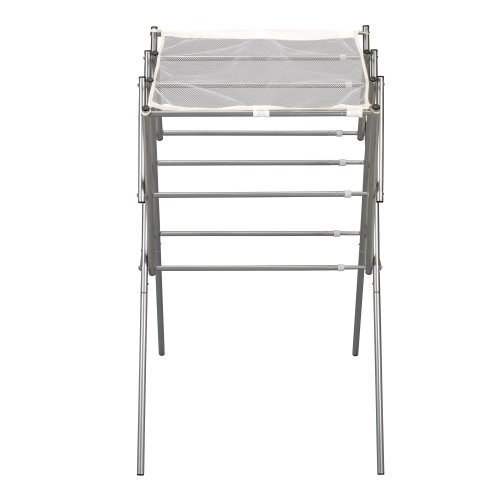

If you have ever tried to lay a large, heavy wool sweater flat on a towel, you know the frustration of it never quite drying through. This rack is designed specifically for the fiber arts, utilizing a fine mesh that promotes maximum airflow on both the top and bottom of your garment.
The expandable nature of this rack is its greatest asset for the multi-project knitter. You can adjust the width to accommodate a delicate lace shawl or a bulky, oversized cardigan without the piece sagging in the middle.
Because it sits flat, it prevents the "shoulder bumps" that often occur when drying sweaters on traditional wire racks. The bottom line: It is the gold standard for blocking, provided you have the floor space to accommodate it.
Honey-Can-Do Heavy Duty Folding Drying Rack

When you are dealing with a heavy, wet cotton or wool blend, you need structural integrity. This rack offers a sturdy frame that won’t buckle under the weight of a water-logged, adult-sized sweater.
It is particularly useful for those who live in smaller apartments where space is at a premium. Once your project is dry, the unit folds down to a slim profile that can easily slide into a closet or behind a door.
However, be mindful of the rungs. If you are drying a delicate piece, you may want to drape a towel over the bars to prevent permanent creases from forming in the fabric.
Songmics Foldable Bamboo Garment Drying Rack
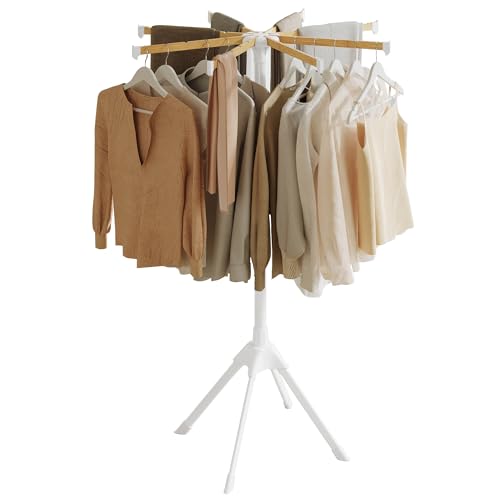
Bamboo is a fantastic material for fiber artists because it is naturally moisture-resistant and aesthetically pleasing. This rack provides a stable, eco-friendly surface that feels at home in any craft room.
The multi-tier design allows you to block multiple smaller items, like socks or baby hats, simultaneously. It is a great choice if you are a production knitter who often finishes several small accessories at once.
One caveat: ensure your bamboo rack is kept in a well-ventilated area. While bamboo resists mold better than some woods, it still needs to breathe to prevent any musty odors from transferring to your precious fibers.
Brabantia Wallfix Retractable Drying Rack

If your laundry room is also your knitting studio, you need a solution that disappears when not in use. This wall-mounted rack is a favorite for those who want a permanent setup without sacrificing floor space.
It is incredibly robust, making it suitable for heavier projects like stranded colorwork blankets or thick, cabled pullovers. Because it is mounted at a comfortable height, you won’t have to bend down to pin your pieces into place.
Just remember that because it is fixed to the wall, you lose the ability to move your project into a patch of sunlight. It is an investment for the dedicated knitter who wants a permanent, professional-grade blocking station.
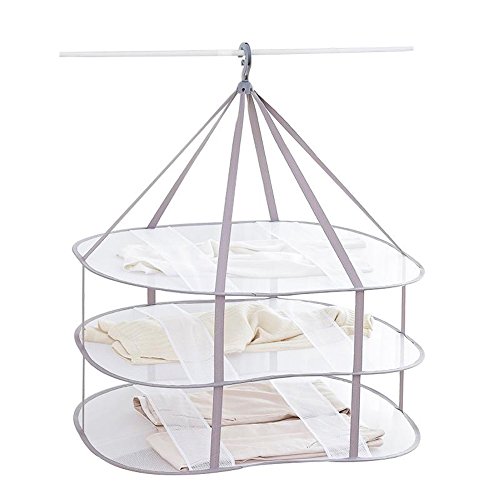
Whitmor Clip-On Hanging Mesh Sweater Dryer

For the knitter who is truly short on space, a hanging mesh dryer is a lifesaver. These units hang from your shower rod or a sturdy hook, utilizing vertical space that would otherwise go to waste.
These are ideal for lighter items like lace shawls, silk scarves, or delicate hand-dyed yarns that require careful handling. Because they hang, they don’t require any flat surface area, which is perfect for those who share their home with curious pets.
The trade-off is that they are generally smaller in diameter. If you are blocking a large garment, you may find the edges hanging over the side, which could lead to uneven drying or stretching.
IKEA Mulig Clothes Drying Rack for Knits
This is the "workhorse" of the knitting world, favored for its simplicity and affordability. It lacks fancy features, but its straightforward design makes it easy to drape damp items over for a quick, reliable dry.
If you use this for knits, I highly recommend placing a mesh net or a clean towel over the bars. The metal bars alone can create sharp creases in your fabric that are difficult to steam out later.
It is perfect for the beginner knitter who hasn’t yet invested in specialized blocking tools. It gets the job done, but you must be creative with how you arrange your garments to ensure proper shape retention.
Essential Factors for Selecting a Drying Rack
When choosing a rack, consider the weight of the fibers you typically use. A heavy, superwash wool will retain significantly more water than a delicate alpaca or silk blend, requiring a much sturdier frame.
Think about your available space and how often you block. If you block every single project—which you should—a permanent station like a wall-mounted rack is worth the investment.
- Weight capacity: Can it hold a wet, heavy blanket?
- Surface texture: Is it smooth enough to avoid snagging delicate yarn?
- Airflow: Does the design allow air to circulate underneath the piece?
Why Mesh Surfaces Are Vital for Wool Projects
Wool is a fiber that needs to "breathe" to dry safely. If you lay a wool project on a solid surface, the moisture trapped underneath can lead to mildew or a "wet dog" smell that is nearly impossible to remove.
Mesh surfaces allow air to move freely through the fibers, ensuring the center of your garment dries at the same rate as the edges. This prevents the uneven tension that can occur if one part of the sweater stays damp for too long.
Furthermore, mesh allows you to use blocking pins to secure your project’s shape without damaging the rack itself. Always prioritize mesh over solid bars whenever possible to protect the integrity of your hard work.
Proper Blocking Techniques for Delicate Fibers
Blocking is not just about drying; it is about setting your gauge and opening up your stitch definition. For lace, you will want to stretch the piece firmly, while for cables, you want to let them rest naturally so they don’t flatten out.
Always use rust-proof pins to avoid leaving permanent stains on your yarn. If you are working with light-colored luxury fibers like cashmere or mohair, be extra cautious and test your pins on a small swatch first.
- Soak: Use a gentle wool wash and lukewarm water.
- Squeeze: Never wring your knitting; roll it in a towel to remove excess moisture.
- Shape: Lay it out on your rack and pin it to your desired dimensions.
How to Maintain Your Drying Rack for Longevity
Treat your drying rack like a fine knitting tool. Wipe it down after every use to ensure no residual wool wash or lint accumulates, which could harbor dust or moisture.
If you have a collapsible rack, check the hinges periodically to ensure they aren’t sticking or rusting. A tiny drop of lubricant can keep a folding rack operating smoothly for years.
Store your racks in a dry, cool place away from direct heat sources. Proper care ensures that your blocking station remains a clean, safe environment for your projects for decades to come.
Investing in a quality drying rack is the final act of respect you show your hand-knitted treasures. By prioritizing airflow and structural support, you ensure that every stitch you labored over maintains its intended shape and drape. Choose a rack that fits your space and your fiber preferences, and your finished projects will thank you for years to come. Happy blocking, and may your swatches always be true.