6 Best Sweater Combs For Wool Care To Use
Keep your knitwear looking new with our top 6 sweater combs. Discover the best tools to safely remove pilling and restore your wool garments with ease.
Every knitter knows the heartbreak of spending fifty hours on a hand-knit sweater only to see it sprout unsightly pills after a few weeks of wear. Pilling isn’t a sign of poor craftsmanship; it is simply the natural friction of fibers working themselves loose over time. Choosing the right tool to manage these fuzz balls is essential to maintaining the structural integrity of your hard work. Here are my top recommendations for keeping your knitwear looking as fresh as the day you bound off.
Gleener Ultimate Fuzz Remover: Best Overall Pick
The Gleener stands out because it offers three distinct edges, each designed for a different weight of yarn. Whether you are working with a bulky, rustic wool or a fine fingering-weight merino, you can swap the attachment to suit the specific loft of your fabric.
This versatility is a game-changer for those of us with a diverse stash. You don’t want to use a heavy-duty edge on a delicate lace shawl, as it might snag the yarn and create a hole. The Gleener allows you to scale your approach based on the fiber’s thickness.
The bottom line is that the interchangeable edges provide the most control. It is a manual tool, meaning you are the one applying the pressure, which is always safer than an automated machine when working with precious hand-dyed yarns.


The Laundress Sweater Stone: Best Natural Option
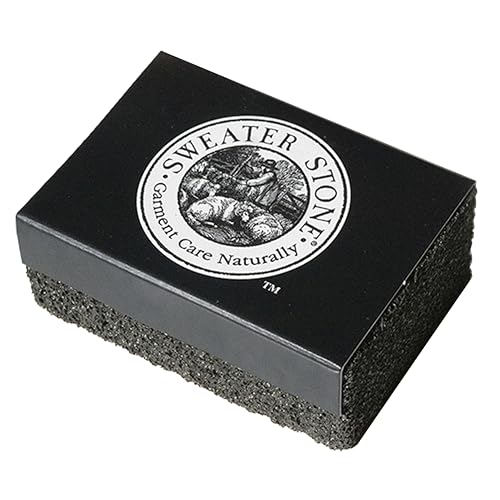
If you prefer to avoid plastic tools, a sweater stone is a classic, effective, and surprisingly gentle choice. It works by using a porous, volcanic-like surface to catch and lift pills away from the fabric without cutting the yarn.
This is perfect for high-twist, smooth yarns like long-staple cotton or tightly spun superwash wool. Because it lacks sharp metal teeth, it is significantly less likely to accidentally slice through a strand of your precious hand-spun yarn.
Just remember that it leaves a bit of "dust" behind, so keep a lint brush handy. It is a slow, meditative process that respects the fiber, making it an excellent choice for heirloom-quality garments.
D-Fuzz-It Fabric Comb: Best Portable Tool

The D-Fuzz-It is small enough to tuck into your knitting bag, making it ideal for on-the-go maintenance. It features a simple, fine-toothed metal comb that is surprisingly effective at grooming sweaters while you are out and about.
Because of its compact size, it is best suited for small areas or quick touch-ups. I wouldn’t recommend it for a full-length, cabled sweater, as your wrist will get tired before you finish the job.
It is a straightforward, no-nonsense tool that does one thing well. Keep it in your project bag alongside your tapestry needles and stitch markers for immediate access when you notice a stray pill.
Philips Fabric Shaver: Best Electric Solution
When you have a large-scale project, like a heavy aran-weight cardigan with a massive surface area, an electric shaver saves significant time. The Philips model has a large head and a sturdy motor that clears pills in seconds.
The trade-off here is the risk factor; electric shavers rely on a rapidly spinning blade behind a screen. If your sweater has any loose ends or slightly raised stitches, the machine can easily catch them and cause a catastrophic snag.
Always use this on a flat, hard surface and keep the fabric pulled taut. Never press down hard, as the weight of the machine itself is usually enough to do the work without risking the structural integrity of your stitches.
Cocoknits Sweater Comb: Best for Delicate Knits
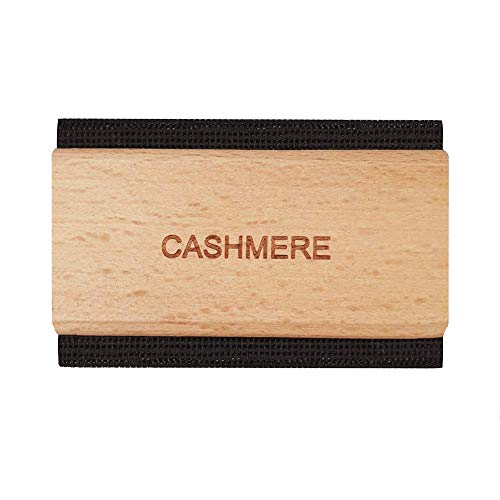
Cocoknits understands the knitter’s mindset, and their sweater comb is designed specifically for the unique needs of hand-knits. It is small, ergonomic, and features a specialized mesh that is much gentler than standard metal combs.
This tool is my go-to for mohair blends or soft, single-ply yarns that tend to "halo" or fuzz easily. It removes the pills without stripping away the beautiful, soft texture that makes those fibers so desirable in the first place.
It is a specialized tool for a specific problem. If you knit with high-end, delicate fibers, this is the safest investment you can make to ensure your garments last for decades.
Conair Fabric Shaver: Best Budget-Friendly Tool
The Conair shaver is a staple in many households for a reason: it is affordable and widely available. It gets the job done reliably, provided you are careful and keep the batteries fresh for consistent power.
It is a great entry-level tool for someone who has just finished their first sweater and is nervous about maintenance. It is inexpensive enough that you won’t feel guilty if you don’t use it every single week.
Just be mindful of the screen; if it gets dented, it can become sharp and damage your yarn. Check the mesh head before every use to ensure it is smooth and free of any nicks or bends.
How to Safely Depill Your Hand-Knitted Sweaters
Start by laying your garment completely flat on a hard surface, like an ironing board or a clean table. Never try to depill a sweater while you are wearing it, as you cannot maintain the necessary tension to avoid snags.

Work in small, gentle strokes in the direction of the knit. If you encounter a stubborn pill, do not pull or rip at it; use the tool to lift it away slowly.
If you find a loose end of yarn while grooming, stop immediately. Use a crochet hook to weave that end back into the fabric before continuing, as a loose strand is a magnet for the blade or comb.
Understanding Fiber Types and Pilling Tendencies
Pilling is a natural byproduct of fiber structure, but some yarns are more prone to it than others. Understanding your fiber will help you manage expectations:
- Superwash Wool: Often pills more than non-superwash because the treatment process smooths the scales, making fibers slide more easily.
- Single-Ply Yarns: These lack the structural strength of a multi-ply twist and will pill significantly faster.
- Synthetic Blends: Acrylic and nylon are highly durable but tend to hold onto pills tightly, making them harder to remove without a tool.
- Natural Fibers (Alpaca/Mohair): These shed their halo, which can look like pilling; handle these with extreme caution.
The tighter the twist of your yarn, the less likely it is to pill. If you are choosing a yarn for a high-friction garment like a pair of socks or a fitted sweater, look for a high-twist, multi-ply construction.
Proper Storage Tips to Prevent Sweater Damage
Storage is the silent partner in garment care. Always fold your sweaters rather than hanging them, as hanging can cause the shoulders to stretch and the fabric to distort under its own weight.
Use cedar blocks or lavender sachets in your storage drawers to deter moths, but ensure they aren’t touching the yarn directly to avoid oils staining the fibers. If you must store them for a long season, use breathable cotton bags rather than plastic bins.

Plastic creates a moisture trap that can lead to mildew or fiber degradation. A breathable environment keeps your knitwear stable and prevents the fibers from becoming brittle over time.
Essential Maintenance for Your Fabric Combs
Your tools need care just as much as your sweaters do. After every use, clear the lint trap of your electric shaver or pick the fibers out of your manual comb.
If you leave a comb clogged with old fibers, it loses its effectiveness and can actually drag across your garment rather than gliding. For metal combs, a quick wipe with a clean, dry cloth keeps the teeth free of oils and dust.
Periodically inspect the edges of your tools for any burrs or sharp spots that could catch on your yarn. If a tool starts to feel "snaggy," it is time to replace it; the cost of a new tool is far less than the cost of repairing a ruined sweater.
Maintaining your hand-knits is a labor of love that extends the life of your creative efforts. By choosing the right tool for your specific fiber and practicing gentle, patient technique, you ensure your work stays beautiful for years. Remember that fiber arts are a journey, and taking care of your finished objects is the final, rewarding step of the process. Happy knitting, and may your sweaters stay as pill-free as possible.