7 Best Report Covers For Keeping Patterns Clean
Protect your important documents with our top 7 report cover picks. Discover durable, stylish options designed to keep your patterns pristine and organized.
Every knitter knows the heartbreak of a favorite pattern stained by a rogue drop of tea or smudged by sweaty palms during a long lace session. Paper patterns are fragile, yet they are the essential blueprints for our most ambitious fiber projects. Protecting your charts is just as important as choosing the right wool for a sweater or the correct needle material for a delicate cable. Investing in the right storage system ensures your hard-earned notes and stitch counts remain pristine for years to come.
Avery Economy Clear Plastic Sheet Protectors


These are the workhorses of the knitting world, found in almost every office supply aisle and readily available for a quick project setup. Because they are top-loading, they allow for rapid insertion of standard 8.5×11 printed patterns.
They are incredibly thin, which is a double-edged sword for the avid maker. While they won’t add significant bulk to your knitting bag, they can crinkle or tear if you are constantly pulling them in and out of a crowded project tote.
For a simple garter stitch scarf or a basic hat, these are perfectly adequate. However, if you are working on a complex colorwork chart that requires frequent reference, you might find the glare from the plastic distracting under bright project lights.
StoreSMART Magnetic Reusable Pattern Sleeves

These sleeves are a game-changer for knitters who prefer to work from a magnetic board or a metal surface. The magnetic strip allows you to stick your pattern directly to a stand, keeping your place at eye level while your hands are busy with needles.
The vinyl construction is significantly more durable than standard office-grade plastic. It resists the oils from your hands, which is critical when you are working with natural, unwashed wools that might leave residue on your skin.
The trade-off here is the weight; these are heavier and less flexible than standard protectors. If you are a traveling knitter who needs to fit everything into a small project pouch, the added rigidity might be more of a hindrance than a help.
Itoya Original Art Profolio Storage Display

Originally designed for artists, these portfolios are excellent for knitters who want to keep their entire pattern library in one organized, archival-quality book. The pages are permanently bound, meaning you won’t lose your patterns in a messy pile of loose sheets.
The polypropylene pages are acid-free, which is a major benefit if you are saving vintage patterns or hand-written notes that you want to preserve for decades. This is an investment piece for the serious collector.
The downside is the lack of modularity. You cannot easily rearrange your patterns once they are bound, so you must be intentional about how you organize your projects.
C-Line Top Load Poly Sheet Protector Packs

These protectors feature a slightly heavier gauge plastic than the economy versions, offering a better balance between flexibility and protection. They are excellent for knitters who carry their patterns in a binder and want something that won’t rip at the holes after a month of use.
The non-glare finish is the standout feature here. When you are working on a 2.25mm sock project with dark yarn, you need all the clarity you can get, and this finish helps reduce eye strain under task lighting.
They are generally affordable enough to use for every single project in your queue. If you are a process knitter who always has three or four projects on the needles, this is the most practical choice for long-term organization.
Smead Poly Project Folder With Clear Cover

These folders act as both a storage vessel and a cover for your pattern. You can slide your pattern into the clear front window, allowing you to see your instructions without ever removing them from the folder.
This setup is ideal for keeping your yarn labels, swatches, and needles together with the pattern. Having your gauge swatch tucked inside the same folder as your pattern ensures you never lose that vital information about your tension and needle size.
They are not as moisture-resistant as a fully sealed sheet protector, so keep them away from your water bottle. For the organized knitter who wants to keep a project "kit" together, this is an excellent, tidy solution.
Dunwell 8.5×11 Heavy Duty Sheet Protectors
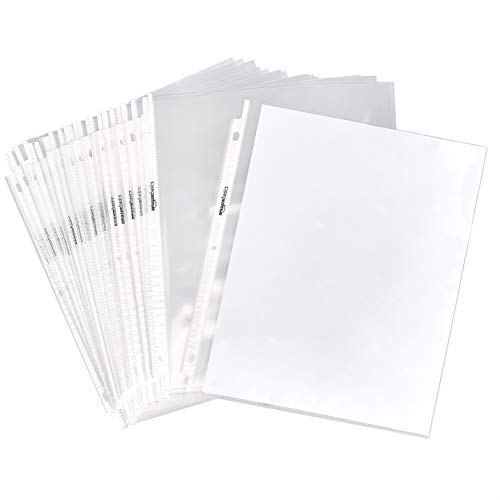
If you are a knitter who tends to be hard on their gear, these heavy-duty protectors are the answer. They are thicker and more rigid, which prevents the "floppy pattern" syndrome that happens when you are trying to read a chart while balancing on your lap.
Because they are so thick, they lay flat nicely. This is a massive advantage when you are working on intricate lace where you need to see the entire chart clearly without the plastic curving or reflecting light.
The extra thickness does mean they take up more room in your binder. If you have a massive library, you might find that a two-inch binder fills up faster than you anticipated.
Martha Stewart Discbound Clear Pocket Pages
These pages are designed for the discbound system, which is arguably the most flexible organization method for knitters. You can pop these pages in and out of your binder without opening rings or worrying about tearing holes.
This is perfect for the knitter who likes to rearrange their "to-knit" list based on seasonal yarn availability or upcoming gift deadlines. You can move your current project to the very front of the binder for easy access.
The system is more expensive than a standard three-ring binder setup. However, the ability to customize your workspace makes it a worthwhile luxury for those who view knitting as a highly organized, meditative practice.
Why Knitters Need Pattern Protection Systems
Knitting is a tactile, messy, and long-term process. Over the course of a sweater project, a pattern might spend weeks in a knitting bag, get shoved under a couch, or sit on a coffee table near a beverage.
Without protection, paper patterns become dog-eared, stained, and illegible. Protecting your pattern isn’t just about aesthetics; it’s about ensuring your project remains on track.
When you protect your patterns, you also protect your notes. Whether you are tracking row counts, marking modifications for fit, or noting where you made an increase, those handwritten annotations are as valuable as the pattern itself.
Best Materials for Durable Pattern Storage
When shopping for covers, look for polypropylene or archival-safe vinyl. These materials are chemically stable and won’t react with the ink on your printed patterns, which can happen with cheaper, lower-quality plastics.
- Non-Glare vs. Clear: Non-glare is better for bright environments; clear is better for fine detail.
- Thickness (Mil): Higher mil counts mean thicker, more durable plastic.
- Acid-Free: Essential for long-term storage of heirloom patterns.
Avoid generic "cling" plastic wraps, as they can lift ink off the page over time. Always prioritize materials that feel smooth and sturdy rather than thin and brittle.
How to Organize Your Knitting Pattern Library
Start by categorizing your patterns by project type: socks, sweaters, shawls, and home goods. This allows you to quickly find a project based on the yarn you have in your stash.
Use tabs to mark active projects versus the "queue." I recommend keeping your current project at the very front of your binder or folder, with all necessary tools like a cable needle or stitch markers clipped to the front page.
- The "Kit" Method: Keep the pattern, the yarn label, and a small swatch in the same folder.
- The "Notes" Method: Use dry-erase markers on the outside of your sheet protectors to track rows without marking the paper.
- The "Digital Backup": Always keep a PDF copy on your phone or tablet as a secondary reference.
Keeping your patterns clean is a simple habit that transforms your knitting experience from stressful to seamless. By choosing the right protector for your specific workflow, you safeguard your time and your creative efforts. Treat your patterns with the same care you give your finest hand-dyed yarns, and they will serve you for a lifetime of making. Happy knitting, and may your charts always remain clear and crisp.