6 Best Blocking Cloths For Heat Protection
Discover the 6 best blocking cloths for heat protection. This guide evaluates top materials to help you effectively shield your space from intense sunlight.
Blocking is the final, transformative step that turns a collection of stitches into a professional-looking garment. Without the right protection between your iron and your yarn, however, you risk permanently flattening the loft of your stitches. Choosing a high-quality blocking cloth is the simplest insurance policy you can buy for your hard work. Here are my top recommendations for keeping your fibers safe and your finish pristine.
Knitter’s Pride Blocking Cloths: Best Overall


These cloths are designed specifically for the knitter who values consistency. They offer a balanced weight that stays put while you work, which is a major relief when you are trying to maneuver a large lace shawl into position.
The fabric is breathable enough to let steam pass through evenly, yet dense enough to prevent the iron’s metal plate from touching your yarn directly. This creates a perfect buffer that protects the delicate halo of wool fibers from getting crushed or singed.
If you block a wide variety of projects, from bulky sweaters to fine lace, this is your go-to. It handles moisture well and doesn’t leave behind any lint, which is a common frustration with cheaper alternatives.
Laurel Burch Pressing Cloths for Delicate Fibers

When you are working with luxury fibers like silk, angora, or high-end alpaca, you need a cloth that feels as gentle as the yarn itself. These cloths provide a soft, protective layer that ensures your iron doesn’t leave "shine" on the fabric.
I reach for these when I am worried about the delicate structure of a fiber. They are particularly effective for blocking cables or textures where you want to define the stitch without losing the natural bounce and life of the yarn.
The trade-off here is durability; these are finer than heavy-duty cotton cloths. Treat them like the delicate fibers you are blocking, and they will serve you for years of heirloom projects.
Dritz Cotton Pressing Cloth: Best Budget Choice
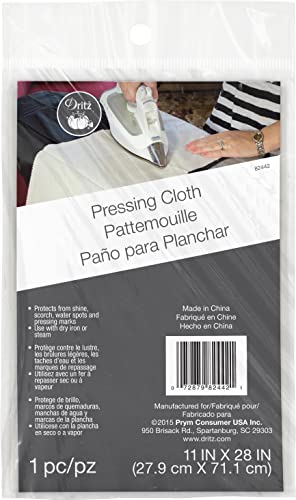
You don’t always need a specialized knitting tool to get a professional result. This classic cotton option is a staple in many sewing rooms, and it works perfectly well for the vast majority of wool-based knitting projects.
It is straightforward, easy to wash, and thick enough to provide a reliable barrier against high heat. If you are a beginner just starting your journey into the world of blocking, this is the most practical place to start.
The only downside is that it is slightly less translucent than some premium options, making it harder to see your stitch alignment through the cloth. For basic blocking, however, it is an unbeatable value.
Reliable Corporation Steam-Safe Pressing Cloth

This cloth is engineered for those who rely heavily on high-volume steam. If you use a professional-grade steam station or a heavy iron, you need a material that can manage significant heat without warping or trapping too much moisture.
It excels at diffusing steam evenly across a wide surface area. This is essential when you are blocking a large-gauge garment where uneven steam can lead to "patchy" blocking, where some sections end up tighter than others.
It is a bit stiffer than other options, which makes it excellent for creating a flat, stable surface. It’s a workhorse tool for the knitter who treats blocking as a serious, technical part of their process.
Rowenta Professional Grade Heat Shield Cloth

Rowenta is synonymous with steam, and their heat shield cloth lives up to that reputation. It is specifically designed to withstand the high temperatures required to relax stubborn, tightly spun yarns or dense, heavy-weight fabrics.
The material is exceptionally heat-resistant, providing a high level of confidence when you are dealing with fibers that are prone to heat damage. It is a fantastic choice for the knitter who is nervous about using an iron on their hand-knits.
While it is a premium product, the peace of mind it offers is worth the investment. It is particularly useful when you are working with dense, multi-ply wools that require a bit more "persuasion" to lay flat.
Mary Ellen’s Best Pressing Sheet for Blocking
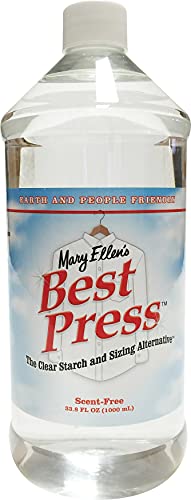
This is a unique tool that functions differently than a traditional fabric cloth. It is a non-stick, translucent sheet that allows you to see exactly where your iron is in relation to your stitches, which is a huge advantage for complex lace.
Because it is non-stick, you don’t have to worry about any fibers catching or pulling. It is also incredibly easy to clean; a quick wipe-down is usually all it takes to keep it in top shape for your next project.
It does not absorb moisture like a cotton cloth, so it is best used as a shield rather than a steam-distributor. Use this when you need absolute precision and visibility, rather than heavy steam penetration.
Why Blocking Cloths Protect Your Delicate Knits
Blocking is essentially "relaxing" the yarn. When you steam a project, you are using heat and moisture to allow the fibers to expand and settle into their final position. A blocking cloth acts as a filter for this process.
Without a cloth, the direct heat of an iron can "kill" the fiber—a technical term for when the heat permanently flattens the scales of the wool, making it lose its elasticity. Once a fiber is killed, it cannot be brought back to its original, springy state.
A blocking cloth ensures that the steam reaches the yarn without the metal plate of the iron ever making direct contact. This preserves the "halo" and the natural crimp of the yarn, which are the very characteristics that make hand-knits feel so luxurious.
How to Properly Steam Block Natural Fiber Yarns
Steam blocking is a delicate dance between heat, moisture, and pressure. Start by pinning your project to your blocking mats to the desired dimensions, ensuring the edges are straight and the stitches are even.
Hover your iron about an inch above the blocking cloth, allowing the steam to penetrate the fibers without pressing down. Let the steam do the work; avoid the temptation to push the iron into the fabric, as this can crush your stitch definition.
- Wool/Alpaca: Use plenty of steam but keep the iron hovering.
- Cotton/Linen: These fibers can handle a bit more heat and pressure, but still benefit from a cloth.
- Silk: Use the lowest steam setting and minimal contact.
Avoiding Heat Damage on Synthetic Fiber Blends
Synthetic fibers, such as acrylic or nylon, react to heat in a fundamentally different way than natural fibers. They are essentially plastic, meaning they can melt if the temperature gets too high.
If you are blocking a blend that includes synthetics, always err on the side of caution. Use a lower temperature setting on your iron and keep the blocking cloth as a permanent barrier between the iron and the garment.
If you see the stitches starting to look "shiny" or flat, stop immediately. That is a sign that the fibers are beginning to melt. Always test a swatch first if you are unsure how your specific yarn blend will react to steam.
Essential Tips for Safe Steam Blocking Projects
Safety is paramount when working with steam and heat. Always ensure your workspace is well-ventilated, and be mindful of the steam vents on your iron, which can cause nasty burns if you aren’t paying attention to your hand placement.
- Always swatch: Test your blocking method on a small, leftover piece of your project.
- Use the right surface: Ensure your blocking mats are heat-safe or place a thick towel underneath.
- Don’t over-steam: A little goes a long way; you want the yarn to feel damp, not soaked.
- Let it rest: Never move your garment until it is completely dry and cool to the touch.
Investing in a quality blocking cloth is a small price to pay for protecting the hours of work you put into your knitting. By choosing the right tool for your specific fiber content, you ensure your garments retain their structure and beauty for years. Take your time, test your materials, and enjoy the satisfying process of seeing your stitches bloom into their final form. Happy knitting!