6 Best Archival Boxes For Long-Term Storage Tested
Preserve your history with our top-rated archival boxes. We tested six durable, acid-free options to ensure your documents stay safe for long-term storage.
Preserving your hand-knitted heirlooms requires more than just a clean closet shelf; it demands a micro-environment that protects delicate fibers from light, pests, and acidic degradation. After decades of watching beautiful stranded colorwork sweaters turn brittle or moth-eaten, I have learned that the quality of your storage container is just as important as the quality of the yarn you chose. This guide explores the best archival-grade boxes to ensure your labor of love remains as vibrant and structurally sound as the day you bound off. Investing in the right storage is the final, crucial step in your knitting journey.
University Products Archival Document Storage Box


These boxes are a staple in museum archives, and for good reason—they are incredibly sturdy and offer a neutral pH environment. While designed for paper, their depth makes them surprisingly excellent for storing delicate lace shawls or smaller baby blankets that need to lie flat without creasing.
The primary advantage here is the rigidity of the construction. When you fold a hand-knit garment, you want to avoid sharp creases that can stress the yarn fibers over time; these boxes provide enough structural integrity to prevent the corners from crushing your precious handiwork.
However, they are not airtight, which means they are best suited for climate-controlled environments. If you are looking for a reliable, no-nonsense way to organize your collection by project year or fiber type, this is a professional-grade choice that won’t break the bank.
Gaylord Archival Blue-Gray Hollinger Style Box

The Hollinger style box is the gold standard for long-term textile preservation because of its unique, one-piece folding design. This configuration creates a tight seal that keeps out dust and light, which are the two primary enemies of natural wool fibers.
I often recommend these for heirloom sweaters that you only pull out for special occasions. The acid-free, lignin-free board ensures that your wool doesn’t yellow or weaken, maintaining the integrity of the original yarn’s ply and tension.
Be aware that these boxes require a bit of assembly, which can be fiddly if you aren’t patient. Once folded, however, they are incredibly durable and provide a level of protection that standard plastic storage bins simply cannot match.
Hollinger Metal Edge Acid-Free Storage Boxes

Metal-edge boxes are favored by archivists because they provide superior corner strength and structural stability. For a knitter, this means you can stack these boxes without worrying about the bottom one collapsing and crushing the loft of your hand-knit sweaters.
The metal edges are located on the exterior, so there is no risk of them snagging your delicate mohair or fine alpaca fibers. This is a critical detail; even a tiny snag can lead to a dropped stitch or a pull that ruins the drape of a garment.
While these are an investment, they offer the best crush-protection for bulky items like cabled fisherman sweaters. If you have limited storage space and need to stack your archives vertically, this is the safest route.
Archival Methods Museum Solander Storage Case
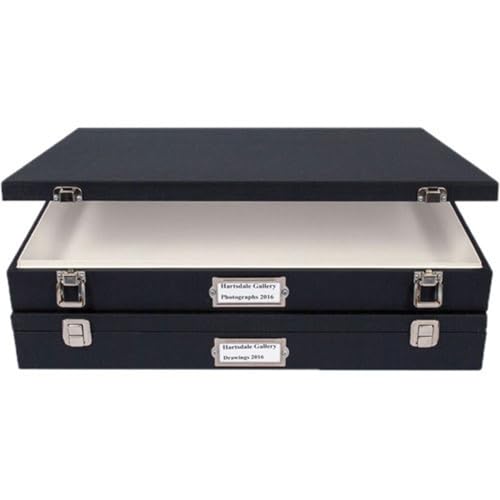
If you have a truly priceless piece—perhaps a hand-spun, hand-knit lace wedding shawl—the Solander case is the ultimate choice. These boxes open like a book, allowing you to lay your textile flat without having to lift it out of a deep container.
This design minimizes the amount of handling required, which is vital for fragile vintage knits. Every time you touch an old garment, you risk transferring skin oils or causing mechanical stress to aged fibers; the Solander case makes inspection easy and gentle.
The downside is the price point and the footprint, as these cases are quite large. Reserve these for your most irreplaceable projects that deserve museum-quality protection.
Light Impressions Drop Front Archival Boxes

Drop-front boxes are a lifesaver for knitters who want to access their stored items frequently without disturbing the entire pile. The front panel hinges downward, allowing you to slide a sweater or accessory out horizontally.
This is much safer for the garment than pulling it out from the top of a stack, which often causes friction and can lead to pilling or fiber breakage. It is a simple mechanical convenience that significantly reduces the wear and tear on your hand-knit items.
When using these, ensure you are still using acid-free tissue paper between layers of folded garments. The drop-front makes it easy to maintain an organized system where you can see exactly what you have at a glance.

Talas Acid-Free Clamshell Textile Storage Box
Talas boxes are the pinnacle of archival storage, specifically engineered for textiles rather than documents. They are deep, spacious, and constructed from materials that are entirely inert, ensuring that no chemical off-gassing occurs near your yarn.
These boxes are perfect for bulky items like heavy wool blankets or large, intricate colorwork cardigans. The clamshell design provides a very secure closure that helps maintain a stable micro-climate within the box.
If you are serious about building a permanent archive of your work, Talas is the brand to trust. It is the most robust option for ensuring your knitting remains in perfect condition for future generations.
Why Archival Quality Matters for Knitted Heirlooms
Many knitters assume that a plastic bin from a big-box store is sufficient for storage, but these containers often off-gas chemicals that can damage natural fibers. Wool and other animal fibers are sensitive to their surroundings, and acidic environments can cause them to become brittle over time.
Archival quality means the materials are pH-neutral and free from lignin, which is a component of wood pulp that causes paper and fabric to yellow. By choosing archival boxes, you are preventing the slow, chemical breakdown of your hard work.
Remember that fiber health is cumulative. A sweater stored improperly for five years might look fine today, but the damage to the fiber’s elasticity and color is already happening at a microscopic level.
Essential Tips for Preparing Wool for Long Storage
Before you put anything into a box, the garment must be perfectly clean. Even if a sweater looks pristine, invisible residues from skin oils, perfume, or food can attract pests and cause permanent staining over years of storage.
Always wash your knits according to the fiber requirements, ensuring they are completely bone-dry before folding. Even a trace amount of moisture can lead to mold or mildew, which will destroy a wool garment faster than almost anything else.
Use acid-free tissue paper to cushion the folds of your garments. This prevents the weight of the fabric from creating sharp, permanent creases that can eventually lead to thinning or splitting of the yarn.
How to Prevent Moth Damage in Stored Knitwear
Moths are attracted to the protein in animal fibers, and they love dark, undisturbed places like the inside of a storage box. The best defense is a clean garment and a tightly sealed container that prevents entry.
Avoid using traditional mothballs, as they contain chemicals that are toxic and leave a lingering, unpleasant odor that is nearly impossible to remove from wool. Instead, use natural deterrents like cedar blocks or lavender sachets, but keep them from touching the knitwear directly.
The most effective strategy is regular inspection. Once or twice a year, take your items out, shake them gently, and check for any signs of larvae or damage; this disrupts the moth’s life cycle and gives you peace of mind.
Best Practices for Labeling Your Textile Archives
A beautiful box is useless if you don’t know what is inside without opening it. Use archival-safe labels on the outside of your boxes that include the project name, the date of completion, and the fiber content.
I also recommend keeping a small index card inside each box with a swatch of the yarn used and a list of the needles and gauge. This is incredibly helpful if you ever need to repair the garment, as you will have the original yarn and the technical details ready to go.
Treat your knitting archive like a library. Consistent labeling allows you to manage your collection effectively and ensures that your hard-won technical knowledge—like the specific tension you used for that complicated lace—is preserved alongside the finished object.
Proper storage is the final act of respect for the hours of meditative work you put into every stitch. By choosing high-quality, archival-grade boxes, you are ensuring that your knitted heirlooms survive long enough to be cherished by those who come after you. Take the time to clean, fold, and label your projects with the same care you used to knit them. Your future self—and perhaps your future family—will thank you for the effort.