6 Best Immersion Heaters For Kettle Dyeing To Try
Discover the 6 best immersion heaters for kettle dyeing. This guide evaluates performance, safety, and precision to help you achieve consistent dye results.
Achieving consistent, professional-grade color on your hand-dyed yarn requires more than just high-quality acid dyes and good fiber. Temperature control is the silent partner in every successful dye bath, preventing the "break" of colors or the uneven exhaustion of the dye pot. Using an immersion heater or a precision circulator allows you to maintain the perfect simmer without the constant babysitting of a stovetop. Here are the best tools to help you master the science of kettle dyeing.
Inkbird ITC-308 Temperature Controller Setup


The Inkbird ITC-308 isn’t a heater itself, but it is the most vital piece of gear you can add to your dye studio. It acts as a bridge between a standard, "dumb" immersion heater and a precision temperature gauge.
By plugging your heating element into this controller, you turn a basic tool into a smart system. You simply set your desired temperature, place the probe in your dye bath, and the controller cuts the power once the target is reached.
This is essential for delicate fibers like silk or fine merino, where rapid temperature spikes can lead to premature felting. The bottom line: if you aren’t using a controller, you are guessing, and guessing is the enemy of repeatable colorways.
Sous Vide Precision Cooker: The Pro Choice

For years, I’ve watched knitters struggle with "hot spots" in large stainless steel pots. A sous vide immersion circulator solves this by constantly moving the water, ensuring the dye is distributed evenly across every inch of your yarn.
These devices are designed for culinary precision, which translates perfectly to the chemistry of acid dyeing. Because they circulate the water, you won’t end up with one end of your skein being significantly darker than the other.
However, be aware that these are not designed for the harsh chemicals found in dye baths. You must rinse the circulator thoroughly after every use to prevent dye buildup from clogging the internal pump mechanism.
Inkbird ISV-100W Wi-Fi Immersion Circulator

If you are a tech-forward knitter who enjoys monitoring your dye pots from across the room, this is a fantastic entry point. The Wi-Fi connectivity allows you to track the temperature of your bath from your phone while you’re busy winding hanks or checking gauge swatches.
The benefit here is convenience, especially if you are running multiple batches of yarn throughout the day. You can set up your dye bath, walk away to work on your latest lace project, and receive an alert if the temperature fluctuates.
It is a reliable, mid-range tool that bridges the gap between a DIY setup and a high-end lab device. Just ensure your Wi-Fi signal reaches your studio space, or you’ll lose the primary benefit of the wireless monitoring.
Anova Precision Cooker Nano for Small Batches

The Anova Nano is the perfect companion for the hobbyist dyer who usually works with 50-gram mini-skeins or small test batches. It is compact, quiet, and fits easily into smaller pots, making it ideal for experimental color theory work.
Because it is smaller, it heats up quickly and is easy to store in a crowded craft room. If you are just starting to explore kettle dyeing, the learning curve on this device is incredibly gentle.
Keep in mind that it lacks the raw power of larger circulators. If you try to use this in a massive stockpot, it will struggle to maintain a consistent simmer, so keep your dye bath volumes modest.
Breville Joule Turbo for Consistent Dye Heat
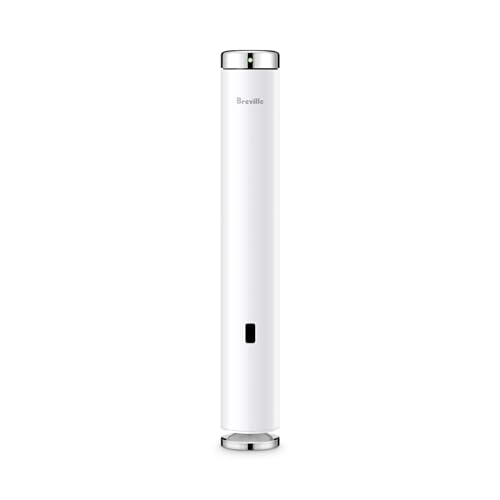
The Joule is widely considered the gold standard for temperature stability and speed. In the world of dyeing, this means you can bring your bath to a simmer significantly faster than with other models.
Its design is sleek and minimalist, which is a nice aesthetic bonus, but its real strength is the sheer consistency of the heat it provides. When you are dyeing a large sweater-quantity batch, that level of reliability is worth the higher price tag.
It is a professional-grade investment for the serious dyer. If you find yourself dyeing yarn to sell or for large-scale commissions, the time saved and the consistency gained make this the best long-term choice.
Vesta Precision Imersa Elite for Large Pots
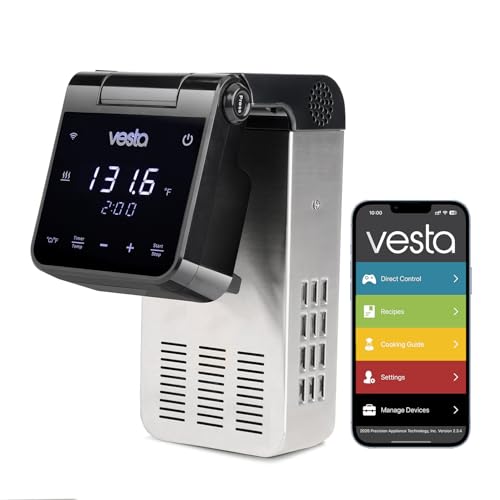
When you are working with large, 10-to-15-liter dye pots, you need a heater with serious circulation power. The Vesta Imersa Elite is built for volume, ensuring that your dye remains uniform even in a crowded pot.
It features a large, easy-to-read display that is simple to operate even when your hands are covered in gloves or dye residue. Its sturdy construction stands up well to the rigors of a busy studio environment.
Because it is a larger unit, it may be overkill for a single skein of lace-weight yarn. Reserve this tool for your big, multi-skein projects where you need to move a significant volume of water to ensure even saturation.
How to Manage Dye Bath Temperature Accuracy
Temperature accuracy is not just about hitting a number; it’s about the rate of change. You want to bring your dye bath up to temperature slowly to allow the fiber to absorb the dye molecules evenly.
Always calibrate your external thermometer against a known standard, like boiling water at sea level. Even the best immersion circulators can drift by a degree or two over time.
- Keep your probe away from the heater element.
- Stir the bath manually if you aren’t using a circulator.
- Record your temperatures in a notebook for future reference.
Consistency is built through documentation; if you don’t track your heat profile, you cannot recreate your favorite colorways.
Safety Tips for Using Heaters in Dye Pots
Safety is non-negotiable when combining electricity, water, and acidic chemicals. Always ensure your immersion heater is fully submerged to the minimum fill line to prevent the heating element from burning out or cracking.
Use a GFCI (Ground Fault Circuit Interrupter) outlet whenever you are working with water and electricity. This is a simple, inexpensive safety measure that could save your life if a leak occurs.
- Always unplug before removing the device from the pot.
- Keep your workspace dry and free of tripping hazards.
- Wear appropriate PPE, including gloves and a respirator when handling powdered dyes.
Treat your dye station with the same respect you would a high-voltage workshop; the risks are real, but they are easily managed with common sense.
Fiber-Safe Heating Techniques for Wool
Wool is a protein fiber that hates sudden shocks, whether that is heat or agitation. When using an immersion heater, set your controller to ramp up the temperature gradually rather than hitting full power immediately.
Avoid moving the yarn while the water is at a high temperature, as this is when the fibers are most susceptible to felting. If you need to rearrange the skeins, turn off the heat and let the bath cool slightly first.
- Avoid "shocking" the yarn with cold water during the rinse.
- Ensure your dye bath has enough water volume to prevent the yarn from pressing against the heater.
- Use a gentle hand when submerging your fiber.
Your goal is to be gentle; think of the dye bath like a delicate blocking process, not a laundry cycle.
Troubleshooting Common Kettle Dyeing Issues
If your yarn comes out "streaky," it is usually a sign of poor circulation or too much fiber packed into the pot. Try using a smaller amount of yarn or increasing the water-to-fiber ratio.
If the dye is not exhausting—meaning the water remains colored after the process—you likely didn’t reach the target temperature or your acid (vinegar or citric acid) wasn’t sufficient. Check your pH levels before you assume the heater is at fault.
- Check your heater’s intake for debris or fiber bits.
- Verify your controller settings after a power flicker.
- Don’t ignore weird noises from the pump.
Most dyeing issues are solved by adjusting your process, not by buying new gear; troubleshoot your technique before you blame your tools.
Mastering temperature control is the definitive step that separates a casual hobbyist from a confident yarn artist. By choosing the right immersion heater for your specific volume and fiber needs, you gain the freedom to experiment with complex color techniques. Start with a solid controller, keep your process consistent, and your hand-dyed yarn will look as professional as anything on a boutique shelf. Happy dyeing, and may your skeins always exhaust perfectly.