7 Best Winding Attachments For Drill Conversions
Transform your drill into a versatile tool with these 7 top-rated winding attachments. Discover efficient, durable options for every DIY project and repair.
If you have ever spent an entire afternoon hand-cranking a yarn winder through a massive haul of hanks, you know the physical toll it takes on your wrist and patience. Converting a manual winder to a power-driven system transforms a tedious chore into a quick, satisfying task. This guide explores the best attachments to bridge the gap between your manual gear and the efficiency of a power drill. With the right setup, you can turn your stash into perfectly tensioned cakes in mere minutes.


Stanwood Needlecraft Steel Winder Attachment

The Stanwood attachment is built for those who prioritize durability over everything else. Because it is machined from steel, it eliminates the flex often found in plastic alternatives, ensuring your spindle stays perfectly centered during high-speed rotation.
If you are winding heavy, rustic wools that require a bit of torque to keep the cake tight, this metal construction is a game-changer. It bites into the drill chuck with zero slippage, providing a direct, reliable connection.

However, keep in mind that its weight is significant. It is best paired with a high-quality, sturdy winder base that can handle the increased momentum without wobbling across your table.
Nancy’s Knit Knacks Electric Winder Adapter

Nancy’s Knit Knacks has long been a staple for serious fiber artists who demand precision. This adapter is designed with a specific focus on protecting your winder’s internal gears from the aggressive torque of a modern power drill.
It features a clever slip-clutch mechanism or a tension-sensitive design that prevents you from accidentally over-tightening the yarn. This is essential when working with delicate fibers like silk or high-twist merino, which can lose their loft if wound under too much tension.
The bottom line is that this is the best choice for the knitter who values the longevity of their tools. While it may cost a bit more, it prevents the common issue of stripping the plastic gears inside a standard manual winder.
Strauch Fiber Equipment Drill Chuck Upgrade

Strauch is synonymous with professional-grade fiber processing, and their drill chuck upgrade reflects that pedigree. This isn’t just an adapter; it is a structural improvement that turns your winder into a piece of heavy-duty equipment.
If you are a prolific knitter who regularly processes entire sweater quantities of yarn, this upgrade is worth the investment. It provides a rock-solid connection that feels like a factory-made electric winder rather than a DIY hack.
The tradeoff here is the installation process, which can be more involved than a simple plug-and-play adapter. You need to be comfortable with a bit of light assembly to get the alignment perfectly true.
Ashford Ball Winder Power Drill Conversion
Ashford equipment is famous for its simple, functional design, and their drill conversion kit follows suit. It is an straightforward, no-nonsense attachment that works seamlessly with their iconic wooden and plastic winders.
This kit is ideal for the knitter who already owns an Ashford winder and wants to speed up their workflow without buying a whole new machine. It relies on a simple shaft extension that fits securely into most standard drill chucks.
Be aware that because it is a simple shaft, you must control the drill’s speed manually. Start slow to ensure the yarn feeds evenly, as these winders can move very fast once the drill is engaged.
Lacis Yarn Winder Drill Drive Attachment
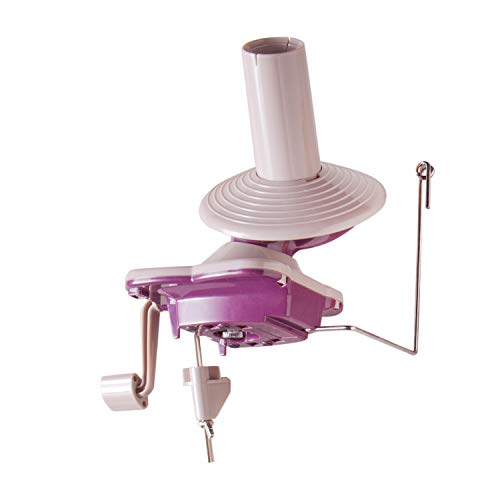
The Lacis adapter is a highly accessible option for those who want to dip their toes into power winding without a heavy financial commitment. It is compact, lightweight, and incredibly easy to install on most standard manual winders.
This is a great choice for the intermittent knitter who only needs to wind yarn a few times a year. It performs the job efficiently without requiring you to dedicate space to a permanent, bulky electric winding station.
The main consideration is the material, which is often a high-impact polymer. While perfectly adequate for standard acrylics or worsted-weight wool, avoid using it for massive, heavy-duty cones of rug yarn to prevent unnecessary wear.
Cowichan Trading Power Winder Modification
Cowichan Trading offers a modification that feels like it was designed by a knitter for a knitter. It focuses on maintaining the specific tension profiles required for traditional, thick-ply yarns often used in heritage knitting projects.
This attachment is excellent for those dealing with "sticky" fibers like mohair or unspun roving. It provides enough consistent power to overcome the friction that often stalls manual winders, resulting in a much smoother, more uniform cake.
Because it is designed for bulkier materials, it might be overkill for fine lace-weight threads. If you primarily work with cobweb-thin yarns, you may find the power output a bit too aggressive for your needs.
Fiber Artist Supply Co. Drill Adapter Kit
This kit is perhaps the most versatile of the bunch, offering a universal fit that works across a wide variety of winder brands. It is the "Swiss Army Knife" of drill adapters, making it a safe bet if you aren’t sure which specific model your winder is.
The machining is clean and precise, which reduces vibration significantly. Less vibration means a quieter winding experience and, more importantly, a more stable cake that won’t collapse when you pull the center-pull strand.
If you have a collection of different winders or you frequently upgrade your equipment, this is the most future-proof investment you can make. It reliably bridges the gap between almost any manual winder and a standard cordless drill.
Why Use a Power Drill for Yarn Winding Tasks
Hand-cranking is fine for a single skein, but it becomes a repetitive strain injury waiting to happen when you are winding for a large project. Power winding allows you to maintain a consistent speed, which is the secret to a perfectly tensioned yarn cake.
When you wind by hand, your speed fluctuates, which creates uneven tension throughout the cake. This can lead to "yarn barf" or tangles when you reach the center of the ball later on.
A power drill provides a steady, rhythmic cadence. This ensures that the yarn is laid down with uniform pressure, keeping your fiber bouncy and ready for your needles.
Safety Tips for Using Drills with Winders
The most important rule is to always use a variable-speed drill. Never go full throttle; start at the lowest possible speed to ensure the yarn is feeding correctly before gradually increasing the pace.
Keep your fingers away from the rotating spindle at all times. It is surprisingly easy to get a loose thread or a sleeve caught in the mechanism, and a drill has enough torque to cause injury before you can pull the trigger.
Finally, secure your winder to the table with a heavy-duty clamp. The torque of a drill can easily cause a winder to jump or slide, which will ruin your cake and potentially damage your equipment.
Maintaining Your Yarn Winder Gear Assembly
Adding a drill puts more stress on your winder than it was originally designed to handle. Periodically inspect the internal nylon or plastic gears for signs of melting or stripping caused by excessive heat and friction.
If you notice a grinding sound, stop immediately and apply a small amount of food-grade silicone lubricant to the gear teeth. This keeps the movement fluid and reduces the heat buildup that leads to gear failure.
Treat your winder like a precision tool rather than a toy. If you keep the gears clean and lubricated, a converted manual winder can last for decades, even with the added power of a drill.
Converting your manual winder with a drill attachment is one of the most rewarding upgrades a knitter can make. It saves your wrists, improves the quality of your yarn cakes, and makes stash management feel like less of a chore. Choose an adapter that matches your typical yarn weight and usage frequency, and always prioritize safety and gear maintenance. With these tools in your kit, you can spend less time winding and more time doing what you love: knitting.