6 Best Plastic Buckets For Large Dye Batches
Selecting the right container is vital for uniform dyeing. We review six durable, food-grade plastic buckets that ensure consistent results for large batches.
Dyeing your own yarn is the ultimate way to achieve the exact color palette your project demands, whether you’re matching a specific shade for a stranded colorwork yoke or creating a custom gradient for a lace shawl. However, moving from small test batches to large-scale dyeing requires equipment that can handle the volume without leaching chemicals or warping under heat. Choosing the right vessel is as vital as picking the right mordant or dye acid. Here are the best containers to help you manage your fiber dyeing process with professional efficiency.
Rubbermaid Commercial 5-Gallon Ingredient Bin
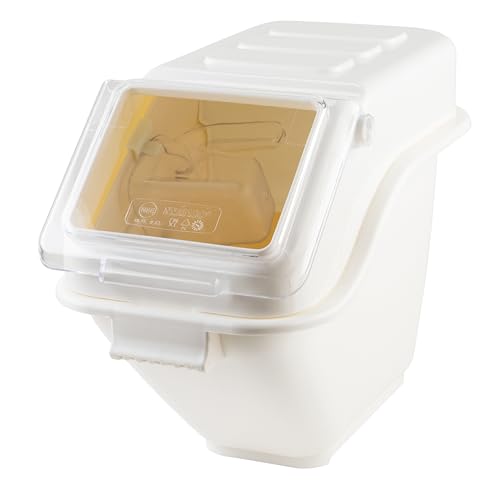

This container is a workhorse for dyers who value structural integrity above all else. Its thick, reinforced walls are designed to hold heavy, wet wool without bowing or flexing when you lift it.
Because it is designed for food storage, the plastic is inherently stable and non-reactive. This is a massive advantage when you are working with strong acid dyes that could potentially strip or react with lower-quality, thinner plastics.
The wide mouth makes it incredibly easy to submerge large skeins or even sweater quantities of fiber without cramming them. If you’ve ever felt the frustration of an uneven dye strike because your yarn was too tightly packed in a small bucket, you’ll appreciate this extra room.
United Solutions 5-Gallon Heavy Duty Utility Pail

If you are a dyer who moves your setup from the kitchen sink to the backyard, this pail is your best friend. It features a robust, ergonomic handle that won’t dig into your palms when you’re carrying five gallons of water and saturated fiber.
The plastic is surprisingly durable, resisting the staining that often plagues lighter-weight buckets. While all plastic will eventually take on the color of your most vibrant indigo or deep plum dye, this material cleans up better than most.
It is a straightforward, no-nonsense tool that does exactly what it says on the label. It isn’t fancy, but it is reliable for those long, slow-soak immersion dyeing sessions where consistency is key.
Leaktite 5-Gallon Industrial Dye-Safe Bucket

Leaktite buckets are the industry standard for a reason: they are consistent, affordable, and widely available. For the knitter who is just starting to experiment with large batches, these are the perfect entry point.
The rim is designed to seal tightly if you purchase a lid, which is helpful if you need to let your yarn soak overnight in a mordant solution. Keeping your fiber undisturbed is crucial for preventing felting, especially with delicate, high-twist merino yarns.
Be aware that these are slightly thinner than industrial-grade bins. They are perfect for room-temperature or warm dyeing, but I wouldn’t recommend them for high-heat stovetop methods as they may soften.
Behrens 5-Gallon Plastic Pail with Steel Handle

The standout feature here is the steel handle, which provides a level of security you don’t get with molded plastic grips. When you are lifting a heavy, wet batch of wool, the last thing you want is a handle snapping under the weight.
The plastic itself is dense and smooth, which is a major plus for cleaning. A smooth interior means fewer crevices for dye pigment to hide, significantly reducing the risk of cross-contamination in your next color batch.
This bucket is an excellent middle-ground option for the serious hobbyist. It balances durability and cost effectively, making it a staple in many home-dyeing studios.
Home Depot Homer 5-Gallon All-Purpose Bucket

You have likely seen these orange buckets in every garage and workshop, but they are also surprisingly capable in the dye studio. They are incredibly inexpensive, which means you can dedicate specific buckets to specific color families—like one for blues and one for reds—without breaking the bank.
Because they are so common, they are easy to replace if one eventually becomes too stained or scratched to use for light-colored fiber. Dedicating buckets is a pro move that prevents accidental color bleeding into your next project.
Just remember that the plastic is basic. They are not intended for high-heat applications, so keep your dye baths to a gentle simmer or cold-soak techniques to avoid any risk of leaching.
Sterilite 6-Quart Clear Storage Tub for Samples

Sometimes you don’t need five gallons; you just need to test a small, 20-gram sample of a new yarn base. Using a massive bucket for a tiny sample is a waste of water, dye, and effort.
These clear tubs allow you to monitor the exhaustion of your dye bath with perfect clarity. Seeing exactly how much pigment remains in the water helps you learn how different fibers, like superwash wool versus raw alpaca, absorb color at different rates.
They are also stackable, which is a lifesaver for small studio spaces. If you are a knitter who likes to test multiple colorways before committing to a sweater-quantity batch, these are indispensable.
Why Food-Grade Plastic Matters for Fiber Dyeing
When you heat plastic, it can release microscopic particles or chemicals into your dye bath. If you are working with luxury fibers like silk or cashmere, you don’t want any unwanted contaminants interfering with the fiber’s natural luster.
Food-grade plastic is manufactured to be non-toxic and stable, ensuring that the only things touching your yarn are your dyes and water. This is especially important if you dye in the same kitchen where you cook your family meals.
Always look for the "food safe" symbol or specific labeling on the bottom of the bucket. It is a small detail that pays off in the longevity of your fiber and the safety of your home environment.
Essential Features for Large Volume Dye Batches
When dyeing for a full sweater, you need space for the yarn to "breathe" in the water. If the fiber is packed too tightly, you will end up with splotchy, uneven color that can ruin the look of a solid-color garment.
Look for a wide base and a high-volume capacity. You want enough water so that the yarn can move freely as you stir it, ensuring the dye pigment penetrates every ply of the yarn evenly.
A strong handle is non-negotiable for safety. You are dealing with gallons of hot, dyed liquid, and you need to be able to move that weight without fear of the container failing.
Managing Temperature Stability in Plastic Pails
Plastic is an insulator, not a conductor, which means it won’t heat up as quickly as a stainless steel pot. This can be an advantage if you are doing long, slow-soak dyeing where you want the temperature to remain consistent for hours.
However, never place a plastic bucket directly on a burner or a heating element. Even if the bucket is "heavy-duty," it will melt or warp, potentially creating a hazardous mess in your studio.
If you need to heat your dye bath, heat the water in a separate stainless steel vessel first, then add it to your plastic bucket. This keeps your equipment safe and ensures your dye process stays controlled.
Best Practices for Cleaning Dye Residue Safely
After a long day of dyeing, cleaning your buckets is the least fun part of the process, but it is essential. Rinse your buckets thoroughly with cold water first to remove any loose pigment before scrubbing.
For stubborn stains, a mild bleach solution can work, but be extremely careful to rinse it away completely. Any residual bleach left in the bucket will destroy your next batch of yarn, turning beautiful colors into patchy, faded disasters.
I prefer using a soft sponge and a gentle dish soap for routine cleaning. If the bucket is heavily stained, consider keeping it for dark colors only and getting a fresh, clean bucket for your lighter, more delicate shades.
Investing in the right plastic buckets will transform your dyeing process from a messy struggle into a controlled, professional craft. By choosing containers that are durable, the right size, and safe for your fibers, you can focus entirely on the artistry of color. Remember to keep your equipment clean and organized, and your hand-dyed yarn will be the envy of every knitting circle. Happy dyeing and even happier knitting!