6 Best Yarn Winders For Cakes And Balls To Try
Discover the top 6 yarn winders for perfectly shaped cakes and balls. Our guide compares features to help you streamline your knitting and crochet projects.
Taming a tangled mess of yarn is a rite of passage for every knitter, transforming chaotic hanks into neat, center-pull cakes. A high-quality winder is the difference between an afternoon of rhythmic stitching and a frustrating session of fighting knots. Choosing the right tool depends on your stash size, the frequency of your winding, and your tolerance for mechanical maintenance. This guide breaks down the best options to ensure your yarn is always ready for the needles.
Stanwood Needlecraft Large Metal Yarn Winder


The Stanwood Large Metal Winder is the workhorse of the fiber arts world. Its heavy-duty metal gears offer a level of durability that plastic models simply cannot match, especially when tackling bulky, heavy-weight yarns.
If you frequently purchase large, 400-gram hanks of wool or alpaca, this is your best friend. The oversized capacity allows you to wind massive cakes without needing to stop and restart, keeping your tension consistent throughout the process.
The tradeoff here is the price and the physical footprint. It requires a sturdy table edge to clamp onto, but once secured, it is rock solid. Bottom line: Invest in this if you are a serious stash-builder who needs a tool that will last for decades.
KnitPicks Ball Winder: Best Budget-Friendly Pick
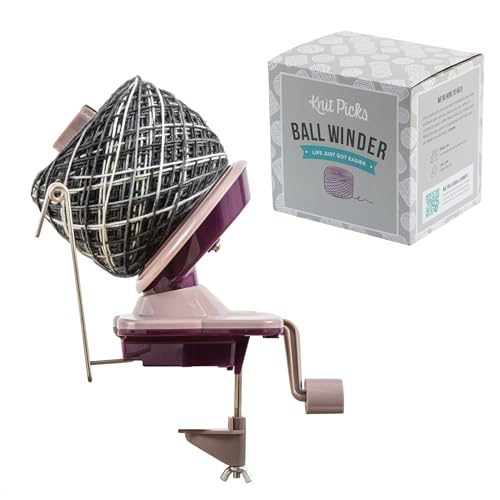
For the knitter who is just starting to venture beyond pre-wound skeins, the KnitPicks winder is the gold standard for entry-level gear. It is lightweight, compact, and incredibly intuitive to set up.
It excels with standard worsted and DK weight yarns, creating tidy cakes that sit perfectly flat while you work. While it uses plastic gears, it is more than capable of handling a moderate stash of acrylic or superwash wool.
Avoid pushing it to its absolute limits with heavy, jumbo-weight roving, as the plastic drive can slip under extreme pressure. Bottom line: It is the perfect starter tool for those who want to organize their yarn without a heavy financial commitment.
Lacis Yarn Ball Winder: The Professional Choice
The Lacis winder is designed for those who view winding as an essential, high-volume task. It features a robust design that prioritizes smooth, consistent rotation, which is vital for maintaining the structural integrity of delicate fibers like silk or mohair.
The precision of the tension guide is where this model truly shines. It allows for a more controlled wind, preventing the yarn from being stretched too tightly, which can permanently alter the gauge of your finished garment.
Because it is built for precision, it requires a bit more care during setup. Ensure the alignment is perfect before you start cranking to avoid uneven cake shapes. Bottom line: Choose this if you prioritize fiber health and consistent tension over speed.
Allary Yarn Winder: Reliable for Daily Knitting
The Allary winder is a dependable middle-ground option that balances performance with portability. It is sturdy enough to handle daily winding sessions but remains light enough to toss into a project bag if you are heading to a knitting retreat.
It works exceptionally well with hand-dyed yarns that are prone to tangling. The smooth rotation helps you spot potential snags in the yarn before they become buried inside the cake.

However, the clamp can be a bit finicky on thicker tabletops. Always check that it is tightened securely before you begin, or you might find the winder "walking" across your workspace. Bottom line: A solid, reliable choice for the average knitter who needs a tool that works consistently without fuss.
Nancys Knit Knacks Heavy Duty Electric Winder

If you have ever spent hours hand-winding a massive stash, you know the fatigue that sets in after the tenth cake. This electric winder removes the manual labor entirely, allowing you to focus on the yarn rather than the mechanics.
The speed control is the standout feature here, as it lets you slow down for delicate, hand-spun yarns and speed up for sturdy, commercially spun wool. It is a game-changer for those with repetitive strain issues or arthritis.
Because it is a powered device, it is a significant investment and takes up permanent space in your craft room. Bottom line: If you wind yarn in bulk or suffer from hand fatigue, this is the ultimate luxury tool.
ChiaoGoo Hand-Operated Yarn Winder Review
ChiaoGoo is a brand synonymous with quality needles, and their winder follows that same standard. It is designed with a sleek, ergonomic handle that makes the physical act of winding feel surprisingly fluid and effortless.
The design is compact, making it ideal for knitters with limited space. It creates a very tight, dense cake that is easy to store and stack, which is excellent for those living in smaller homes or apartments.
While it is compact, it is not meant for heavy industrial use. It is best suited for standard fingering to worsted weight yarns rather than heavy, bulky fibers. Bottom line: A high-quality, space-saving option for the detail-oriented knitter.

How to Choose the Right Winder for Your Yarn Stash
Your choice of winder should be dictated by the types of fiber you most often use. If you work primarily with delicate lace-weight cobwebs, you need a winder with a very sensitive, adjustable tension guide to prevent stretching.
Conversely, if you are a fan of chunky, heavy-ply yarns, look for a winder with a wide spool and a sturdy metal gear system. A small, plastic winder will often struggle to accommodate the volume of a jumbo cake, leading to a wobbly, unstable result.
Finally, consider your storage situation. If you have a dedicated craft room, a heavy, permanent winder is fine; if you knit at the kitchen table, you need something that can be clamped, used, and stored away in minutes.
Manual vs Electric: Which Winder Fits Your Needs?
Manual winders provide a tactile connection to your materials, allowing you to feel the tension as you wind. This is crucial when working with hand-spun yarn, where you might need to stop and remove a bit of debris or a knot manually.

Electric winders are about efficiency and volume. If you are preparing for a large project, like a full-sized sweater or a king-sized blanket, the time saved by an electric winder is invaluable.
The drawback of electric models is the lack of "feel." If your yarn has a weak spot or a splice, an electric winder might snap it before you have a chance to react. Bottom line: Use manual for delicate/hand-spun, and electric for high-volume commercial yarn.
Tips for Maintaining Your Yarn Winder Mechanics
Yarn winders are simple machines, but they require occasional maintenance to keep them running smoothly. The most important step is to keep the gears free of dust and stray fibers, which can cause the mechanism to seize up over time.
A tiny drop of sewing machine oil on the moving parts can do wonders for a winder that has started to squeak or feel "gritty." Never use heavy grease, as it will attract more dust and eventually clog the system.
Always store your winder in a clean, dry place. If you leave it clamped to a table for months, the tension springs can lose their elasticity, leading to loose, sloppy cakes.
Troubleshooting Common Yarn Cake Tangle Issues
The most common cause of a tangled yarn cake is winding too fast. When you rush, the yarn doesn’t lay flat, and the tension becomes uneven, causing the cake to collapse inward and create a "bird’s nest."
If your cakes are constantly collapsing, try feeding the yarn through your fingers before it hits the winder. This acts as a secondary tensioner, ensuring the yarn is laid onto the spool with consistent pressure.
Finally, ensure your yarn is properly "swashed" or untwisted before you start. If you try to wind a hank that is still twisted, the winder will fight against the natural ply of the yarn, almost guaranteeing a tangle.
Finding the right yarn winder is an investment in your own creative workflow, turning the chore of prep work into a satisfying ritual. Whether you choose a budget-friendly manual model or a high-end electric powerhouse, the goal is always the same: to get your yarn onto your needles as quickly and safely as possible. Take care of your tools, understand the needs of your specific fibers, and your stash will remain a source of joy rather than a source of stress. Happy knitting!