6 Best Stitch Markers For Complex Cable Patterns
Master complex cables with ease. Our guide reviews the 6 best stitch markers designed to stay secure and snag-free during intricate knitting projects.
Complex cable patterns demand precision, as a single dropped stitch or misplaced twist can derail an entire intricate design. When you are juggling multiple charts and shifting cable crossings, the right stitch markers act as your essential navigational tools. Choosing the correct marker prevents snagging and ensures your rhythm remains uninterrupted during long knitting sessions. This guide explores the best tools to help you master your next complex cable project with confidence and ease.
Cocoknits Colorful Nylon Stitch Markers


These markers are a staple for a reason: they are incredibly lightweight and feature a smooth nylon coating that glides over needles without catching. Because they are seamless, you never have to worry about the dreaded "yarn snag" that happens when a stitch gets caught in a metal seam.
For cable projects, the color-coded nature of these markers is a game-changer. You can assign specific colors to denote the beginning of a cable repeat versus the transition between chart sections. This visual shorthand allows you to spot errors in your cable placement before they become permanent parts of the fabric.
One minor tradeoff is that they are relatively flexible, which might feel strange if you are used to the rigidity of metal. However, this flexibility is a benefit when you are working with delicate fibers like silk or fine mohair. They won’t leave permanent indentations or distort your stitches as you pull the fabric taut.
Clover Locking Stitch Marker Assortment

Locking markers are essential when you need to anchor a specific point in your cable work, such as the exact row where a cable crossing occurs. Clover’s versions are reliable, snapping shut with a satisfying click that ensures they stay put even when you are working with slippery, high-twist yarns.
These are particularly useful for "lifelines" or marking the start of a cable twist that spans several rows. By locking the marker into the fabric itself, you create a permanent reference point that won’t slide off your needles during a long break. This is vital for complex patterns where you might need to set the project down for a few days.
Be careful when using these on very fine, delicate lace-weight yarns, as the plastic hinge can occasionally snag a strand if you aren’t attentive. Always check that the marker is fully locked before moving on to the next row. For most worsted or aran-weight projects, however, they are virtually indestructible.
Knitter’s Pride Rainbow Metal Ring Markers

If you prefer the weight and tactile feedback of metal, these rainbow-colored rings are an excellent choice. They are thin enough to sit comfortably between stitches without creating a "laddering" effect, which is a common issue when using bulky markers on finer gauge projects.
The smooth, electroplated finish ensures they slide effortlessly across both wooden and metal needles. This is especially helpful when you are working with sticky wools that tend to cling to the needle surface. The weight of the metal also helps keep your work organized, as the markers naturally settle to the bottom of the work as you turn.
Keep in mind that these are fixed rings, meaning they cannot be removed without working back to the marker’s position. They are best suited for marking repeating sections within a round rather than highlighting a single stitch. If you need to remove them frequently, consider pairing these with a few locking markers.
Tulip Heart-Shaped Stitch Marker Collection
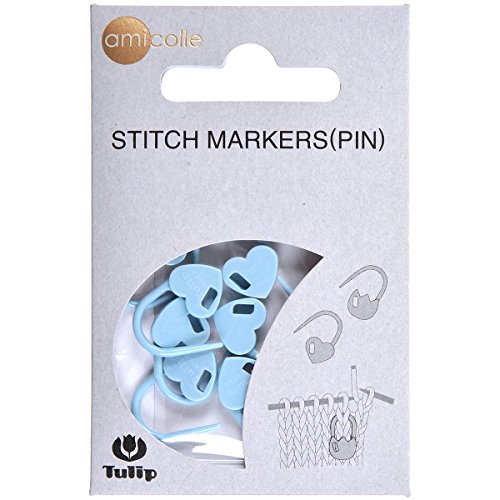
These markers are as functional as they are beautiful, featuring a soft, rounded shape that is specifically designed to minimize friction. The unique heart shape isn’t just for aesthetics; the gentle curve allows the marker to rotate easily as you move from one stitch to the next.
For knitters who find that standard circular markers get stuck during fast-paced cable knitting, the Tulip markers offer a refreshing change. They move fluidly, which helps maintain your tension—a critical factor when you are constantly crossing stitches and pulling yarn across the front or back of the work.
While they are slightly more expensive than basic plastic rings, the quality of the finish is superior. They won’t fray your yarn or lose their shape over time. They are a wonderful investment if you frequently work on heirloom-quality projects where every detail matters.
Katrinkles Wooden Cable Stitch Markers

Wooden markers provide a lovely, organic feel that many knitters find soothing during long, repetitive cable rows. Katrinkles markers are laser-cut and sanded to a smooth finish, ensuring they won’t snag even the most delicate hand-dyed singles or fuzzy alpaca yarns.
What sets these apart is the ability to choose styles that are actually labeled, such as markers that say "C4F" or "C4B." This provides a physical reminder of the specific cable instruction you are currently working on. It acts as an external brain, reducing the mental load required to keep track of complex charts.
Because they are made of wood, they are incredibly lightweight and won’t weigh down your fabric. However, they are slightly thicker than metal rings, so be mindful if you are knitting at a very tight gauge. They are best suited for projects in the DK to worsted weight range.
HiyaHiya Assorted Removable Stitch Markers

HiyaHiya’s removable markers are designed with a unique "safety pin" style that is thinner and more streamlined than standard locking markers. This makes them perfect for intricate cable patterns where space is at a premium and you cannot afford to have bulky plastic interfering with your stitch definition.
Because they are so slim, they are less likely to distort your stitches or create uneven tension between cable repeats. They are a go-to choice for knitters working with fine-gauge superwash wools, where the yarn is slippery and prone to "growing" if the markers are too heavy.
The main tradeoff is that the wire, while sturdy, is thin enough that it could theoretically catch a very loose ply if you are careless. Always ensure your needle tip is clear of the marker before you start your next stitch. They are a professional-grade tool that rewards careful, deliberate knitting.
Why Cable Knitting Requires Specialized Markers
Cable knitting involves shifting the order of stitches, which creates a natural tension imbalance in your fabric. Specialized markers help you manage this by clearly separating the "cable zone" from the "background zone," allowing you to maintain a consistent rhythm.
Without markers, it is far too easy to lose track of where you are in a repeat, especially when the cable crossing happens every 6th or 8th row. Markers act as a safety net, ensuring you don’t accidentally skip a cross or, worse, cross the cable in the wrong direction.
Using the right marker also helps you maintain your gauge. If a marker is too bulky, it forces the stitches on either side to stretch, creating a visible "gap" in your cables. By selecting markers that sit flush against your needles, you ensure your cable fabric remains dense, uniform, and professional.
How to Choose Markers That Won’t Snag Your Yarn
Snagging is the enemy of any complex project, particularly when working with luxury fibers like silk, cashmere, or alpaca. When selecting a marker, look for a seamless design; any rough edge or seam is an invitation for a loose ply to get caught and break.
Consider the "weight" of the marker in relation to your yarn. If you are using a delicate, single-ply yarn, choose a lightweight nylon or plastic marker. If you are using a sturdy, multi-ply wool, heavier metal markers are fine and can even help keep your work neatly organized.
Always perform a "drag test" before starting your project. Simply slide the marker across your needle tips and ensure it moves freely without catching on the join where the needle meets the cable. If it snags even once, it will snag a hundred times during your project—don’t take the risk.
Managing Complex Repeats With Color Coding
Color coding is the most effective way to manage multi-chart cable patterns. By assigning a specific color to the "Cable Start," "Cable End," and "Chart Transition," you create a visual map of your work that you can read at a glance.
For example, use a bright, high-contrast marker for the beginning of the round, and use a different, more subtle color for the internal cable repeats. This prevents the common mistake of confusing the beginning of the round with a cable crossing.
If you are working a pattern with multiple cable types, use a different color for each type of cable. This helps you identify which cable you are about to work before you even reach the stitches. It turns a chaotic chart into a predictable, manageable sequence of events.
Best Practices for Organizing Your Marker Stash
A well-organized marker collection saves you time and prevents frustration when you are ready to cast on a new project. Use small, segmented containers—like pill organizers or bead boxes—to keep different types and sizes of markers separated.
Label your containers by size or type so you can quickly grab what you need. It is also helpful to keep a small "travel kit" in your project bag, containing a few of each type of marker, so you are never caught without the right tool when you are knitting away from home.
Finally, don’t be afraid to cull your stash. If a marker has a rough edge, a loose hinge, or has lost its shape, discard it immediately. Your time is too valuable to spend it fighting with faulty tools; keep only the markers that provide a seamless, enjoyable knitting experience.
Mastering complex cable patterns is as much about your organizational system as it is about your technical skill. By selecting the right markers for your specific yarn and project, you eliminate unnecessary friction and allow your focus to stay on the beauty of the twisting stitches. Remember that the best tools are the ones that disappear into your workflow, letting you lose yourself in the meditative rhythm of the craft. Happy knitting, and may your cable crosses always be perfectly aligned.