6 Best Yarn Swifts For Heavy Gauge Wool Reviewed
Finding the right swift for heavy wool is vital. We review the top 6 models, focusing on durability and stability to ensure your thick yarn winds with ease.
Wrangling a massive, heavy-gauge wool hank into a neat cake is a rite of passage that can quickly turn into a tangled nightmare if you aren’t using the right equipment. When working with chunky, bulky, or super-bulky yarns, the weight of the fiber alone can cause flimsy swifts to buckle or collapse mid-wind. Choosing a robust tool is the difference between a meditative winding session and an hour spent detangling a bird’s nest of expensive wool. This guide highlights the most reliable swifts designed to handle the heft and friction of heavy-gauge fibers.
Stanwood Needlecraft Wooden Umbrella Swift


The Stanwood umbrella-style swift is widely considered the gold standard for serious knitters who handle a variety of yarn weights. Its heavy-duty construction is specifically engineered to support the weight of thick, multi-ply wools that would cause lighter models to sag.
The metal hardware and smooth-spinning mechanism are its standout features. When you have a massive 200-gram skein of bulky roving, you need a swift that rotates without resistance to prevent the yarn from stretching or snapping.
This model is a workhorse, but it does require a bit of space to set up. If you are working in a tight corner, ensure your table edge is sturdy enough to handle the clamp, as heavy wool can exert significant lateral pressure.
Amish Style Tabletop Wooden Yarn Swift
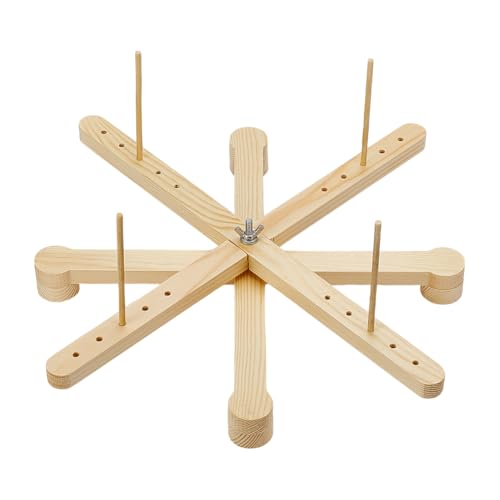
The Amish-style swift is a brilliant departure from the traditional umbrella design, utilizing a rotating cross-bar system that sits flat on your table. It is arguably the most stable option for heavy-gauge wool because it doesn’t rely on a central vertical spindle that can wobble under load.
Because it sits low, the yarn doesn’t have the opportunity to "jump" off the swift as easily when you are winding quickly. This is a massive advantage for sticky, high-friction fibers like unspun Icelandic wool or thick, hairy alpaca blends.
However, the trade-off is adjustability. While umbrella swifts can be dialed in to the exact circumference of any hank, Amish swifts have fixed pegs. Make sure to check that your most common skein sizes will fit the peg configuration before investing.
Lacis Wooden Umbrella Yarn Swift Review

Lacis has built a reputation for precision, and their wooden umbrella swift is no exception. This tool feels substantial in the hand, with fine-grained wood that is sanded smooth to ensure no snagging occurs during the winding process.
For heavy-gauge yarns, the primary concern is the tension of the swift’s arms. The Lacis model features robust bracing that prevents the arms from dipping when a heavy, wet-spun or thick-spun hank is placed upon it.
It is an investment piece that prioritizes longevity. If you find yourself frequently working with expensive, hand-dyed bulky yarns, the smooth operation of this swift will protect your fiber from unnecessary abrasion.
Knit Picks Yarn Swift: Best Value Option
If you are just starting to build your stash and need a reliable tool without breaking the bank, the Knit Picks swift is a fantastic entry point. It handles standard to moderately bulky yarns with ease, providing a consistent rotation for most common projects.
While it may not have the industrial-grade weight capacity of the higher-end models, it holds its own for most hobbyist needs. It is lightweight and easy to store, making it a great choice for knitters who don’t have a dedicated fiber arts studio.
Do keep in mind that with very heavy-gauge, high-friction yarns, you may need to monitor the tension manually. It is a capable tool, provided you aren’t asking it to support massive, industrial-sized cones of super-bulky fiber.
Strauch Jumbo Ball Winder and Swift Combo
The Strauch system is the "heavy artillery" of the knitting world. If you are a prolific knitter who regularly processes large quantities of heavy-gauge wool, this combo is the ultimate solution for efficiency and durability.
The swift is specifically designed to work in tandem with their high-capacity ball winder. This pairing ensures that the tension remains perfectly balanced, which is critical when winding bulky yarns that can easily become "squashed" or distorted if wound too tightly.
This is a significant investment, both in terms of cost and physical footprint. However, for those who value time and the structural integrity of their yarn, it is the most reliable setup on the market.
ChiaoGoo Hand-Operated Wooden Yarn Swift

ChiaoGoo is a brand synonymous with quality, and their wooden swift reflects their commitment to the knitter’s experience. The design is sleek, functional, and exceptionally smooth in its rotation, which is essential for maintaining even tension.
For heavy-gauge wool, the key here is the stability of the central hub. It resists the "drag" that often occurs with cheaper plastics, ensuring that your yarn feeds into the ball winder without sudden tugs or jerks.
It is an excellent middle-ground option for the knitter who wants high performance without the bulk of a jumbo system. It handles the weight of thick, chunky yarns beautifully, provided the swift is clamped securely to a stable surface.
Why Heavy Gauge Wool Needs a Sturdy Swift
Heavy-gauge wool—think bulky roving or thick, hand-spun singles—possesses a high degree of friction and significant weight. When you place a heavy hank on a lightweight swift, the centrifugal force and gravity cause the swift to tilt or bind.
This binding leads to uneven tension in your wound cake. If the yarn is pulled too tightly during the winding process, the fiber’s loft is crushed, which can negatively impact the final gauge and drape of your knitted garment.
A sturdy swift acts as a shock absorber. It allows the yarn to release from the hank in a controlled, fluid motion, preserving the natural crimp and elasticity of the wool.
Key Features to Consider for Heavy Yarns
When shopping for a swift to handle bulky fibers, prioritize these three non-negotiables:
- Clamp Stability: Look for a heavy-duty metal clamp that can grip thick table edges without slipping.
- Arm Tension: The arms should be rigid and well-braced to prevent sagging under the weight of a heavy skein.
- Smooth Bearings: A swift that spins freely with minimal friction prevents the "jerking" motion that causes yarn to tangle.
Remember that the material matters; wood is generally better than plastic for heavy yarns because it offers just enough natural grip to prevent the yarn from sliding off the arms prematurely.
How to Properly Set Up Your Yarn Swift
Start by ensuring your swift is clamped to a surface that is at the correct height relative to your ball winder. If the swift is too high or too low, the yarn will rub against the edges of the swift’s arms, creating unwanted friction.
Before placing the hank on the swift, make sure the umbrella is adjusted to the appropriate circumference. It should be snug enough to hold the hank, but not so tight that it stretches the yarn.
Always remove the ties from your hank after it is on the swift. If you remove them beforehand, a heavy-gauge hank will likely collapse into a tangled mess before you even begin to wind.
Troubleshooting Common Swift Tangling Issues
The most common cause of tangling is an uneven rotation speed. If you wind too quickly, the inertia of the heavy yarn causes the swift to "over-spin," leading to loops falling off the arms.
If you notice the yarn snagging, check the alignment of your swift and winder. Often, a slight adjustment to the angle of the swift can prevent the yarn from catching on the central spindle or the umbrella arms.
Finally, if you are working with a particularly "sticky" wool, try placing a small piece of smooth silk or tissue paper over the arms. This reduces the surface friction and allows the heavy yarn to glide off the swift with ease.
Investing in a quality swift is one of the best ways to protect your yarn investment and keep your knitting process stress-free. Whether you choose a heavy-duty umbrella style or a stable Amish tabletop model, ensure it can support the weight of your fiber without bowing or sticking. A well-maintained swift will serve you for decades, turning every winding session into a smooth, satisfying prelude to your next project. Happy knitting, and may your yarn cakes always be perfectly tensioned.