6 Best Fiber Brushes For Texture Maintenance
Maintain your hair’s texture with our top 6 fiber brushes. This guide explores essential tools for effective detangling, frizz control, and scalp health.
Maintaining the lofty, ethereal halo of mohair or the soft, fuzzy texture of brushed alpaca is an art form that requires the right set of tools. Without proper grooming, these delicate fibers can quickly become matted, losing the very softness that makes them so desirable in luxury garments. Choosing the correct fiber brush is the difference between a pristine, cloud-like finish and a damaged, felted mess. This guide explores the best tools to keep your handknits looking as fresh as the day they came off the needles.
Clover Takumi Wool Comb: Best Overall Choice
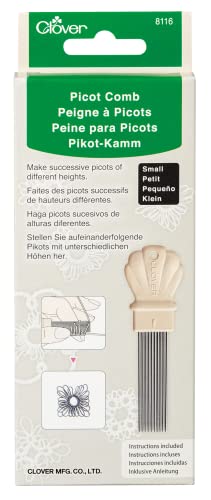

The Clover Takumi Wool Comb is a staple in my kit because it strikes the perfect balance between effectiveness and gentleness. It features fine, metal teeth that are designed to lift fibers without aggressively pulling at the structural integrity of your yarn.
When you are working with a delicate mohair blend, you don’t want a brush that digs too deep. This tool is designed to work on the surface, pulling the halo upward to restore that signature "glow" after a project has been blocked or worn.
I recommend this for knitters who are new to grooming because the handle is ergonomic and easy to control. It is less likely to snag than a stiff wire brush, making it a safe entry point for maintaining your favorite winter sweaters.
The Knitter’s Pride Fiber Grooming Brush

This brush is specifically engineered for knitters, and it shows in the thoughtful design of the bristles. It sits comfortably in the palm, allowing you to apply consistent, light pressure as you move across the surface of your fabric.
If you have a project that has started to pill slightly under the arms or at the cuffs, this brush is excellent for "blending" those pills back into the surrounding halo. It doesn’t remove the fiber so much as it redistributes it, which keeps the garment looking full rather than thinning it out.
The trade-off here is that it requires a bit more patience than a heavy-duty carder. However, for the sake of long-term garment preservation, that slower pace is a benefit, not a drawback.
Susan Bates Hand-Held Lint and Fiber Brush

Often overlooked in favor of specialized tools, the Susan Bates brush is a reliable workhorse for day-to-day maintenance. It is particularly effective on fibers that tend to attract dust or pet hair alongside their natural fuzz.
Because the bristles are slightly more rigid, it works wonders on sturdier fibers like wool-alpaca blends that need a bit more "persuasion" to stand up. I often reach for this when I’m prepping a garment for storage at the end of the season.
Just be careful: because it is quite efficient, it can be easy to over-brush if you aren’t paying attention. Use light, sweeping motions and check your progress frequently to avoid thinning the fabric.
Schacht Spindle Company Hand Carder Set
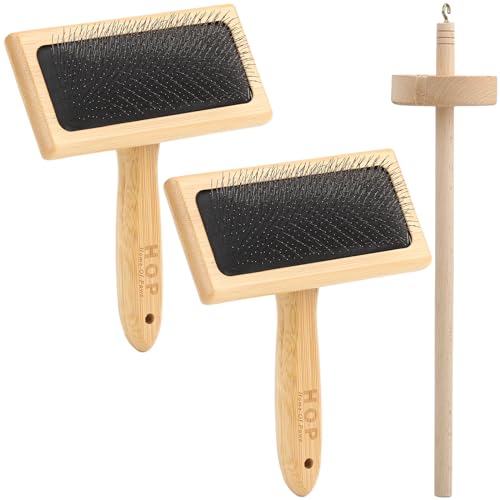
While technically a spinning tool, a single hand carder from a set like Schacht’s is the "nuclear option" for restoring a severely matted garment. These are designed to align fibers, so they are incredibly effective at smoothing out texture.
You should only use these on projects that are truly in need of a reset, such as a vintage mohair cardigan that hasn’t been touched in years. The long, dense wire teeth will grab onto any knots or tangles with ease.
The danger, of course, is that they can be too aggressive for everyday maintenance. Use these sparingly and only when you have exhausted gentler options, as they will pull more fiber away from the garment than a standard brush.
Ashford Fine Fiber Grooming Carding Brush
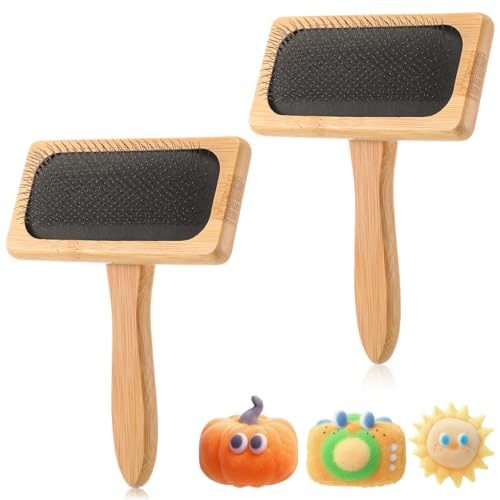
Ashford is a legendary name in the spinning world, and their fine grooming brush is built to last a lifetime. The fine-gauge wire is ideal for very delicate, thin-ply mohair yarns that would snap under the pressure of a coarser tool.
If you are a knitter who loves working with lace-weight mohair held with wool, this is your best friend. It manages to lift the halo without disturbing the delicate tension of your stitches.
It is a bit of an investment, but for a knitter who builds a wardrobe of high-end, fuzzy garments, it pays for itself. It is a precision instrument, not a generic grooming tool.
Lacis Wooden Handle Wire Bristle Fiber Brush

The Lacis brush has a classic, sturdy feel that appeals to those who appreciate traditional tools. The wooden handle provides a great grip, which is helpful when you are working on a large surface area like a long scarf or a shawl.
The wire bristles are firm and well-spaced, which prevents them from getting clogged with fiber too quickly. This makes it a great choice for larger projects where you want to maintain a consistent texture throughout the entire piece.
Because of the wire density, it works best on medium-weight brushed yarns. If you are working with something extremely fine, proceed with caution and use a very light touch.
Why Fiber Brushes Are Essential for Texture
Texture is what gives mohair and alpaca their signature warmth and visual depth. Over time, friction from wearing a coat or carrying a bag causes these fibers to settle and mat, which hides the beauty of the yarn.
Brushing is essentially a form of "fluffing" the fiber back to its original, aerated state. By lifting the fibers, you are also restoring the garment’s ability to trap air, which actually makes it warmer and more comfortable to wear.
Think of it as the knitting equivalent of a spa treatment for your sweater. It isn’t just about aesthetics; it is about maintaining the functional properties of the natural fibers you spent hours knitting.
How to Brush Mohair and Brushed Alpaca Safely
Always lay your garment flat on a hard surface, like a blocking mat or a table, before you begin. Never try to brush a garment while wearing it, as you won’t be able to achieve the even pressure required to prevent damage.
Start at the bottom of the garment and work your way up in small, gentle sections. Use short, light strokes rather than long, dragging motions to avoid creating "bald" spots or pulling at the stitch structure.
If you encounter a knot, do not yank the brush through it. Gently tease the tangle apart with your fingers or the very tip of the brush before attempting to smooth it out.
Preventing Fiber Damage During Texture Care
The most common mistake I see is over-brushing, which can lead to thinning and eventual holes. You want to lift the halo, not remove the fiber entirely, so stop as soon as the garment looks soft and even.
Be particularly careful around cables or complex stitch patterns where the yarn is already under tension. These areas are more susceptible to snagging, so use extra caution and a lighter touch when brushing over textured stitch work.
If you find that your brush is coming away with a large amount of fiber, stop immediately. Your brush is likely too aggressive for that specific yarn, or you are applying too much pressure.
Cleaning and Maintaining Your Fiber Brushes
Fiber brushes will naturally accumulate lint, dust, and excess fuzz during use. If you don’t clean them, that debris will get pushed back into your garment the next time you brush, which is counterproductive.
Use a small metal comb or a stiff toothbrush to clear the fibers out of the bristles after every session. If you are using a wire-bristled brush, ensure you are pulling the debris out in the direction of the wire to avoid bending the teeth.
Store your brushes in a dry place, away from direct sunlight, to keep the wooden handles and metal teeth in good condition. A well-maintained tool will last for decades, serving you through countless knitting projects.
Investing in a quality fiber brush is an essential step toward ensuring your handknits remain as beautiful as the day you bound them off. By understanding the specific needs of your yarn and using a gentle, patient hand, you can keep your mohair and alpaca garments looking their best for years. Remember that the goal is to enhance the natural beauty of the fiber, not to force it into submission. Happy knitting, and may your halos always be perfectly lofty.