7 Best Durable Spindles For Long Term Use Worth Owning
Invest in quality with our top 7 durable spindles. We analyze build materials and longevity to help you choose reliable tools built for years of heavy use.
Finding the right spindle is a rite of passage for every spinner, moving you from simple yarn-making to a true mastery of twist and fiber control. A high-quality tool doesn’t just hold your fiber; it becomes an extension of your hands, dictating the consistency of your yarn from lace weight to bulky. Investing in a durable, well-balanced spindle saves you from the frustration of constant wobbles and broken threads. Here are seven of the most reliable options that will last you a lifetime of spinning.
Jenkins Turkish Spindle: The Gold Standard Choice
When you watch a seasoned spinner create a perfectly even, gossamer-thin singles yarn, they are often holding a Jenkins. These spindles are renowned for their exceptional balance and precise weight distribution, which allows for incredibly long, smooth spins.
The Turkish design is unique because the arms of the whorl are removable, allowing you to slide your finished yarn off as a center-pull ball. This is a game-changer if you are tired of winding your freshly spun yarn onto a nostepinne or ball winder.
If you are looking for a "buy it once" tool, this is it. While they come at a premium price point, the craftsmanship ensures they won’t warp or lose their balance over years of heavy use.
Schacht Hi-Lo Drop Spindle: Best Versatile Tool


The Schacht Hi-Lo is a staple in many knitting circles because it offers two spinning experiences in one. By moving the whorl to either the top or bottom of the shaft, you can switch between a high-whorl setup for faster, finer spinning and a low-whorl setup for more momentum.
This versatility makes it an excellent choice for a beginner who isn’t sure yet if they prefer spinning short-draw fine wools or drafting long-draw lofty fibers. It is sturdy enough to survive being dropped on a hardwood floor, which is a common hazard for those learning the craft.
Don’t let the simplicity of the design fool you. It is a workhorse that handles everything from slippery silk blends to rustic, sticky highland wools with ease.
Bosworth Spindle: Exceptional Balance and Spin
Bosworth spindles are legendary for their "spin forever" quality. These are weighted toward the rim of the whorl, which provides the maximum possible rotational momentum for a drop spindle.
If you are spinning long, continuous fibers like combed top, the sheer duration of the spin will allow you to draft for much longer periods without stopping to flick the spindle. This results in a more consistent twist throughout your yarn, which is vital when you are aiming for a specific wraps-per-inch (WPI) count.
They are an investment in your technique. Once you get used to the way a Bosworth carries its weight, you may find other spindles feel sluggish or unresponsive by comparison.
Snyder Turkish Spindle: Precision Craftsmanship

Snyder spindles are often described as jewelry that happens to be a high-performance tool. They are meticulously weighted and balanced, often featuring exotic woods that are as beautiful as they are durable.
The precision of the notch placement is what really sets these apart. A deep, well-cut notch ensures your yarn stays exactly where you put it, preventing the accidental slippage that can cause your spindle to wobble or your yarn to snap.
For a spinner working on fine lace projects, this stability is non-negotiable. You need a tool that won’t introduce uneven tension into your singles, ensuring your final plying process is smooth and predictable.
Hansen MiniSpinner: Best Electric Spindle Option
While technically an electric wheel, the Hansen MiniSpinner fills the role of a spindle for the spinner who needs speed and high-volume production. If you have a large stash of raw fleece to process, a manual drop spindle might lead to repetitive strain injuries.
The MiniSpinner is incredibly portable and maintains a constant, adjustable speed that manual spindles simply cannot replicate. It allows you to focus entirely on your drafting technique while the motor handles the consistency of the twist.
It is a significant financial step up from a wooden drop spindle, but for the dedicated spinner, it is a productivity powerhouse. It bridges the gap between the meditative pace of hand-spinning and the output of a traditional spinning wheel.
Kromski Polonaise Spindle: Traditional Excellence
The Kromski Polonaise spindle brings a touch of old-world charm to your spinning kit. These are typically made from European alder or birch and feature a classic, elegant aesthetic that feels wonderful in the hand.
These spindles are generally lighter, making them ideal for spinning fine fibers like alpaca or merino that require a delicate touch. A heavier spindle can easily over-spin or break fine, fragile fibers, but the Polonaise allows for a gentler, more controlled twist.
They are a fantastic choice for spinners who enjoy the tactile experience of natural wood. Because they are well-finished and sealed, they resist the oils from your hands, keeping them smooth and snag-free for years.
IST Crafts Spindle: Durability for Beginners

IST Crafts spindles are the perfect entry point for someone who wants a quality tool without the intimidation of a luxury price tag. They are built to be robust, often using materials that can withstand the inevitable accidents that happen while learning.
The weight distribution is forgiving, which helps beginners establish a consistent rhythm. When you are just starting, you are often fighting with your own hands to control the fiber; having a spindle that helps you keep the momentum going is a huge advantage.
They are a reliable "workhorse" tool. You might eventually upgrade to a custom artisan spindle, but you will likely keep your IST spindle in your bag for spinning on the go or for testing new fiber blends.
Understanding Spindle Weight and Whorl Dynamics
The weight of your spindle should be dictated by the fiber you are spinning and the thickness of the yarn you want to create. A heavy spindle (over 2 ounces) is best for bulky yarns and short-staple fibers that need a lot of tension to stay together.
Conversely, a light spindle (under 1 ounce) is essential for fine, delicate fibers like silk or high-quality wool tops. If you use a heavy spindle on a fine fiber, the weight of the tool will pull the yarn apart before the twist can set.
- Lightweight (0.5 – 0.8 oz): Ideal for lace weight and fine singles.
- Mid-weight (1.0 – 1.5 oz): The "all-rounder" for DK and worsted weights.
- Heavyweight (2.0 oz+): Best for plying and spinning bulky, rustic fibers.
Materials Matter: Wood vs Plastic vs 3D Printed
The material of your spindle changes how it feels and how it spins. Wood is the gold standard for a reason; it has a natural grip that helps hold the fiber, and it develops a beautiful patina over time.
Plastic spindles are often cheaper and easier to clean, but they can be slippery and lack the "soul" of a hand-turned wooden tool. 3D printed spindles are gaining popularity because they can be engineered for perfect, mathematical weight distribution, though they can sometimes feel brittle or overly light.
Ultimately, it comes down to preference. If you find your yarn is constantly slipping off the shaft, a wooden spindle with a matte finish will provide the friction you need to keep your spinning consistent.
Maintaining Your Spindle for Long Term Spinning
Even the most expensive spindle needs a little care to stay in top shape. Periodically check the shaft for any nicks or burrs that could snag your fiber, and smooth them out with a very fine-grit sandpaper if necessary.

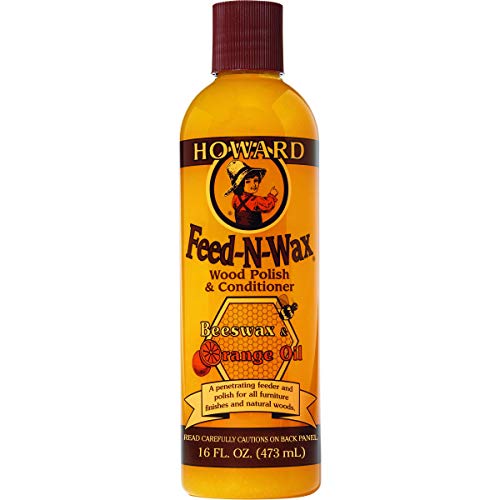
If you have a wooden spindle, a light coat of furniture wax or mineral oil once a year will keep the wood from drying out and cracking. Avoid leaving your spindles in direct sunlight or extreme humidity, as this can cause the wood to warp and ruin the balance.
Treat your spindle like the precision instrument it is, and it will remain a reliable partner for your fiber arts journey. Keep it clean, keep it dry, and it will spin as smoothly for your hundredth skein as it did for your first.
Choosing the right spindle is a balance between the fiber you love and the spinning style you develop over time. Whether you opt for the precision of a Jenkins or the versatility of a Schacht, prioritize tools that feel right in your hands. Remember that the best spindle is the one that encourages you to pick up your fiber and spin just a little bit more every day. Happy spinning, and may your yarn always be as strong and beautiful as you intend it to be.