6 Best Carriage Release Tools For Jammed Machines
A jammed carriage disrupts production. Discover the 6 best release tools to safely unstick your machinery, minimize downtime, and restore peak performance.
Every machine knitter eventually faces the sinking feeling of a carriage stuck mid-row, usually right when the tension is perfect and the pattern is complex. Knowing how to release a jammed carriage without damaging your needle bed is a rite of passage for every serious maker. This guide breaks down the essential tools and techniques to get your machine back in motion safely. With the right approach, you can turn a moment of panic into a simple maintenance pause.
Brother KH-800 Series Carriage Release Tool
The Brother KH-800 series is a workhorse, but its carriage is notoriously sensitive to misaligned needles or heavy yarn buildup. The dedicated release tool for these models is essentially a specialized lever that bypasses the internal cam locking mechanism.
When your carriage locks up, don’t force it; you risk bending the delicate sinker plate or snapping a needle butt. Instead, insert the tool into the designated release slot on the side of the carriage to manually disengage the cams.
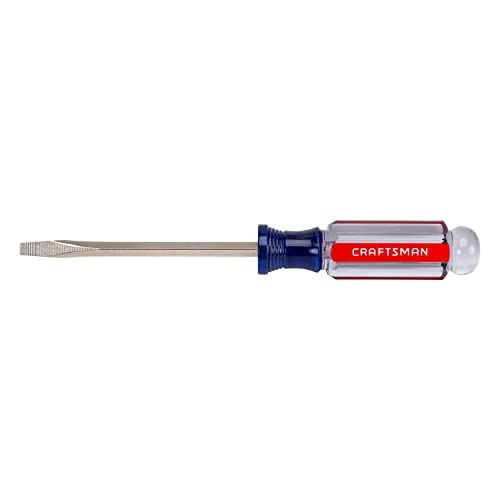
Always keep this tool near your machine, as it’s small enough to vanish under a pile of yarn scraps. If you’ve misplaced yours, a thin, sturdy flathead screwdriver can work in a pinch, but be extremely careful to avoid scratching the precision-machined metal of the carriage.

Silver Reed SK280 Carriage Release Lever
The Silver Reed SK280 features a more refined carriage design, often requiring a gentle touch rather than brute force to clear. The release lever is integrated into the carriage housing, designed to drop the needles out of the cam path during a jam.
If you find the lever isn’t budging, check for "yarn barf" or fiber dust trapped in the cam tracks. Even a tiny bit of lint from a fuzzy mohair or a poorly spun single-ply yarn can create enough friction to trigger a jam.
Using the release lever properly allows you to slide the carriage off the bed without the needles catching. Never pull the carriage forcefully if the lever isn’t fully disengaging; you’ll only exacerbate the misalignment.
Passap Duomatic Universal Release Key
Passap machines operate on a completely different mechanical logic than Japanese-style machines, utilizing a double-bed system that is famously unforgiving. The Universal Release Key is a heavy-duty tool designed to shift the internal pushers and cams simultaneously.
Because Passap machines are so precise, a jam usually indicates that your pusher settings are slightly off or the stitch tension is too tight for the yarn weight. The release key is essential for resetting the carriage position without disturbing your entire project setup.
Treat this tool with respect; it is built to handle significant mechanical resistance. If you are struggling to move the carriage even with the key, stop and check that your needle beds are perfectly aligned.
Singer Memo-Matic Carriage Clearing Tool

The Singer Memo-Matic’s carriage is a complex piece of engineering, often incorporating punch card mechanisms that can get snarled. The clearing tool for this machine is designed to lift the internal needles out of the cam path so you can slide the carriage to the end of the bed.
Many knitters mistakenly think they need to remove the entire carriage to clear a jam. Often, just using the clearing tool to reset the cam levers is enough to get the carriage moving again.
If you are using a sticky, high-friction fiber like a raw alpaca or a cotton blend, ensure your tension dial is set appropriately. Tension is the silent culprit behind most Memo-Matic jams.
KnitKing Compuknit Carriage Release Aid
The KnitKing Compuknit systems are essentially high-end Brother clones, meaning their carriage mechanics are very similar. The release aid here acts as a manual override for the electronic selection solenoids that control the needle pattern.
When the electronics fail or the carriage gets stuck mid-pattern, this tool is your best friend. It allows you to manually reset the carriage to "neutral" so you can safely remove it from the bed.
Always ensure your machine is powered down before using the release aid to prevent any electronic feedback. It’s a simple, low-tech solution for a high-tech machine.
Toyota K-Series Carriage Jam Release Tool

Toyota machines are known for their robust, slightly "clunky" carriage movements, but they are prone to jamming if the sponge bar is degraded. The jam release tool is a simple metal rod designed to push the carriage cams into a neutral position.
If your carriage is jamming frequently, the first thing to check is your sponge bar, not the carriage itself. A flat sponge bar allows the needles to rise too high, causing them to collide with the carriage cams.
No amount of using the release tool will fix a permanent structural issue like a worn-out sponge bar. Replace your sponge bar regularly to save yourself the headache of constant jams.
How to Safely Clear a Jammed Knitting Carriage
When the carriage stops dead, your first instinct is to pull. Fight that urge; pulling only bends needle butts and damages the cam tracks.
Instead, take a deep breath and assess the situation from the back of the machine. Look for "dropped" stitches or needles that have jumped out of their tracks.
Use your release tool to disengage the cams, then gently move the carriage back and forth by only a few millimeters. Once the tension is relieved, you can usually lift the carriage off the bed safely.
Essential Maintenance to Prevent Machine Jams
Most jams are preventable with a strict cleaning schedule. Every 10,000 stitches or so, use a soft brush to clear out the lint and debris that accumulates in the cam tracks.
Check your oiling intervals religiously. A dry carriage creates friction, and friction is the primary cause of sluggish, jamming machines.
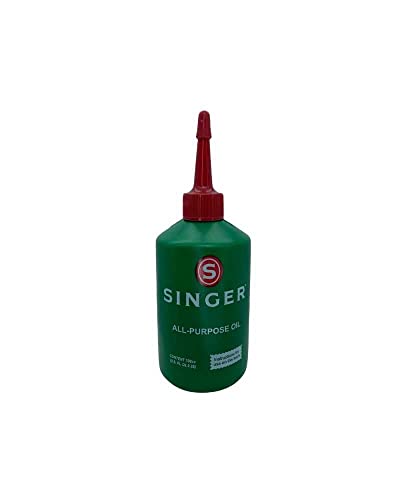
Use only high-quality, sewing machine-grade oil. Avoid household lubricants like WD-40, which can become gummy and attract more dust over time.
Troubleshooting Common Carriage Release Issues
If the release tool isn’t working, the problem is likely deeper than the carriage itself. Check the needle bed for bent needles, which can act as a physical barrier to the carriage movement.
Also, examine your yarn path. If the yarn is catching on the mast or the tension unit, it will pull the carriage at an odd angle, causing it to lock up.
Sometimes, the issue is simply a "bridge" of yarn caught under the sinker plate. A pair of long, fine-tipped tweezers can often reach where your fingers cannot.
Expert Tips for Preserving Your Machine Parts
Your machine is a precision instrument, not a tank. Treat it with the same care you would a vintage sewing machine or a fine camera.
If you are working with slippery, synthetic fibers, you may need to increase your tension slightly to keep the yarn from "looping" inside the carriage. Conversely, with grippy wools, ensure your yarn is well-lubricated or waxed to reduce drag.
Finally, keep your machine covered when not in use. Dust is the enemy of smooth, jam-free knitting.
Clearing a jammed carriage is a fundamental skill that every machine knitter must master to keep their workflow steady. By keeping your tools organized and your machine clean, you minimize the risk of mechanical failure during your most important projects. Remember that patience is just as much a part of the knitting process as the yarn itself. With these techniques in your toolkit, you’re ready to tackle any jam that comes your way.