6 Best Permanent Markers For Marking Fringe Placement
Achieving precise fringe placement requires the right tools. We explore the 6 best permanent markers that ensure accurate, smudge-free lines on any fabric.
Marking fringe placement is one of those small, often overlooked steps that separates a handmade project from a truly professional-looking garment. When you are working with expensive hand-dyed wool or delicate silk blends, the wrong marker can lead to permanent damage or unsightly bleeding. This guide breaks down the best tools to ensure your fringe is perfectly spaced and secure. Choosing the right marker is about balancing ink flow with the absorbency of your specific yarn fiber.
Sharpie Ultra Fine Point: Best Overall for Precision


The Sharpie Ultra Fine Point is the gold standard for a reason: it offers a consistent, reliable line that rarely skips. Its rigid tip allows you to touch the yarn surface lightly, preventing the ink from "pooling" into the fibers and bleeding beyond your mark.
For most knitters, this is the go-to tool for marking placement on worsted-weight wool or acrylic blends. Because it is alcohol-based, it dries almost instantly, which is critical when you are rushing to finish a project before a deadline.
However, be warned that on very loose, high-twist yarns, the ink can travel along the ply. Use a light, "tapping" motion rather than dragging the pen across the yarn to keep your placement marks crisp and accurate.
Sakura Pigma Micron 05: Best for Delicate Fibers

When you are working with lace-weight mohair or fine silk, you need a marker that respects the integrity of the fiber. The Sakura Pigma Micron 05 uses archival pigment ink that sits on top of the fiber rather than soaking deep into the core.
Because the ink is pigment-based, it is less likely to migrate or feather into the surrounding yarn. This makes it ideal for light-colored, luxury fibers where a permanent stain would be a disaster.
The trade-off is that these pens have a very fine, delicate tip that can fray if pressed too hard against scratchy, rustic wool. Treat this tool like a precision instrument, and it will reward you with clean, professional marks every time.
Staedtler Lumocolor Permanent: Best for Wool Blends
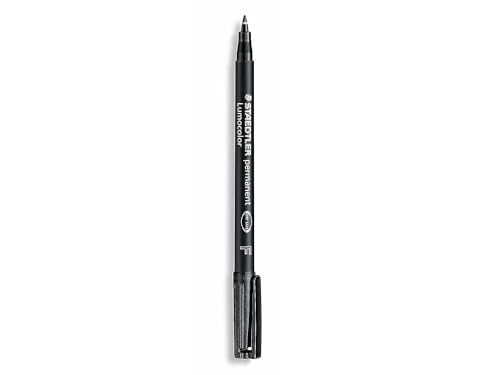
Wool blends often contain synthetic fibers that can repel traditional water-based inks, leading to smudged marks. The Staedtler Lumocolor is designed for smooth, non-porous surfaces, making it surprisingly effective on blended yarns.
The ink in these markers is exceptionally stable and resistant to the light friction that occurs during the fringe-attachment process. If you are handling your project frequently as you knot your fringe, these marks are far less likely to rub off on your hands.
Keep in mind that this ink is quite potent. Always test on a small swatch first, especially if your project is a light pastel shade, to ensure the ink doesn’t show through the knot.
Pilot Super Color Extra Fine: Best for Dark Yarns

Marking dark yarn is a notorious struggle in the knitting world, as black or navy ink simply disappears into the fibers. The Pilot Super Color Extra Fine is an oil-based paint marker that provides an opaque, visible mark even on the darkest charcoal or black yarns.
Because this is essentially a fine-tipped paint pen, it creates a distinct, raised mark that you can easily see under dim lighting. This is a game-changer for those late-night knitting sessions when your eyes are tired.
The downside is that it takes longer to dry than standard markers. Give your marks at least ten minutes to set before you start pulling fringe through, or you risk transferring paint onto your fingers.
Pentel NMS50 Permanent Marker: Best for Cotton Yarn

Cotton is highly absorbent, which often causes standard markers to bleed into a blurry, unusable mess. The Pentel NMS50 features a specialized tip and ink formulation that excels on plant fibers, maintaining a sharp point even on thirsty, unmercerized cotton.
If you are working on a summer shawl or a market bag, this marker will stay put through the tension of pulling and knotting. It handles the natural texture of cotton better than almost any other standard office supply.
Because cotton holds onto pigment so tightly, remember that these marks are likely permanent. Ensure your fringe placement is exact before you commit the ink to the yarn.
BIC Intensity Ultra Fine: Best Budget-Friendly Pick

If you are looking for a reliable tool that doesn’t break the bank, the BIC Intensity Ultra Fine is a solid choice for your knitting kit. It offers a surprisingly smooth flow and a tip that holds its shape well through multiple projects.
This marker is perfect for the knitter who is just starting out and doesn’t want to invest in specialized art supplies. It performs reliably on standard wool and acrylic, providing enough precision to keep your fringe spacing even.
While it lacks the specialized pigment stability of the Micron, it is perfectly adequate for most everyday projects. Just be sure to cap it tightly after every use to prevent the tip from drying out prematurely.
Why Precision Matters When Marking Fringe Placement
Fringe is the final detail of a project, and uneven placement is immediately noticeable to the eye. Even a variance of a few millimeters can make a fringe look "off-balance" or sparse in certain areas.
Precision marking ensures that your fringe density remains consistent across the entire edge of your garment. When you take the time to measure and mark correctly, you avoid the frustration of having to undo hours of work later.
Remember that knitting is a dynamic medium; your fabric stretches and shifts. Marking your placement while the piece is laid flat on a blocking mat is the only way to ensure your fringe hangs straight once the project is worn.
How to Test Ink Permanence on Different Fiber Types
Never assume a marker will behave the same way on different fibers, as protein fibers like wool react very differently than cellulose fibers like cotton. Always create a "test swatch" using the exact yarn you intend to use for your project.
Mark a small section of your swatch and let it sit for at least an hour. Afterward, try to rub the mark with a damp cloth or your thumb to simulate the friction of attaching fringe.
- Check for bleeding: Does the ink spread beyond the mark?
- Check for transfer: Does the ink rub off onto your fingers?
- Check for visibility: Is the mark clear against the yarn color?
Avoiding Bleed: Techniques for Clean Fringe Marks
The most common cause of "bleed" is pressing the marker tip into the yarn for too long. Instead of holding the pen in one spot, use a quick, light "dotting" motion to create your placement guide.
If you are working with a very soft or loosely spun yarn, consider marking the edge of the fabric with a tiny piece of waste yarn tied in a contrasting color instead. This is the safest method for delicate, high-end fibers where you cannot risk any ink contact.
Always mark on the wrong side of the work if possible. Even if the ink is "permanent," keeping the marks hidden within the knot of the fringe is the best way to maintain a clean aesthetic.
Frequently Asked Questions About Marking Yarn Tools
Can I use a fabric marker instead of a permanent marker? Fabric markers are often designed to be heat-set or washed out, which might not be ideal for fringe that stays on the garment permanently. Stick to permanent markers if you want the marks to remain until the fringe is eventually replaced.
What if my ink mark shows through the knot? If you accidentally make a mark too large, try to position your fringe knot so that the darkest part of the ink is hidden inside the fold. If it is still visible, a tiny snip of a sharp scissor can often remove the offending fiber without compromising the yarn’s structure.
Do these markers damage the yarn? Most permanent markers are safe for synthetic and natural fibers in small amounts. Avoid using them on extremely delicate silk or alpaca, where the chemical solvents in the ink could potentially weaken the fiber over time.
Selecting the right marker for your fringe placement is a small investment that pays off in the longevity and look of your finished knitwear. By testing your tools on a swatch and using a light touch, you can achieve professional results that elevate your work. Whether you choose the precision of a Sharpie or the opacity of a paint pen, your project will thank you for the careful preparation. Happy knitting, and may your fringe always hang perfectly straight.