6 Best Interchangeable Cord Keys For Secure Tightening
Discover the 6 best interchangeable cord keys for secure tightening. This guide compares top tools to ensure your gear stays fastened with reliable precision.
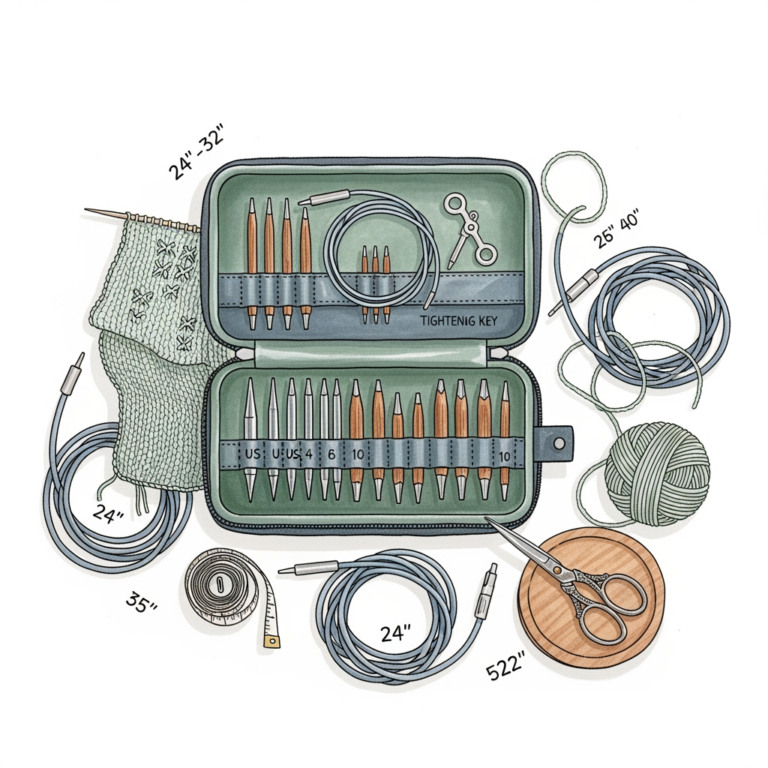
Every knitter has experienced that heart-sinking moment when a needle tip unscrews mid-row, sending stitches spiraling toward disaster. The humble tightening key is the unsung hero of the interchangeable needle system, acting as the final security measure against mechanical failure. Choosing the right tool ensures your connection is flush, preventing yarn from catching during your most intricate lace or colorwork projects. This guide explores the best options to keep your gear secure and your knitting flow uninterrupted.
ChiaoGoo T-Shaped Steel Tightening Key


The ChiaoGoo T-shape is perhaps the most ergonomic design in the industry, offering a wide, flat surface that provides excellent leverage. Because the crossbar is substantial, you can apply the necessary torque without digging the metal into your fingertips.
This key is specifically engineered for the ChiaoGoo swivel and fixed cables, which require a firm, flush connection to maintain their rotating mechanism. If you are working with slippery materials like silk or bamboo yarn, a loose connection here will inevitably snag, causing unsightly pulls in your fabric.
The primary benefit of this design is its durability. Unlike thinner wire keys that can bend or snap under pressure, this steel piece holds its shape through years of heavy use.
Addi Click Interchangeable Needle Key
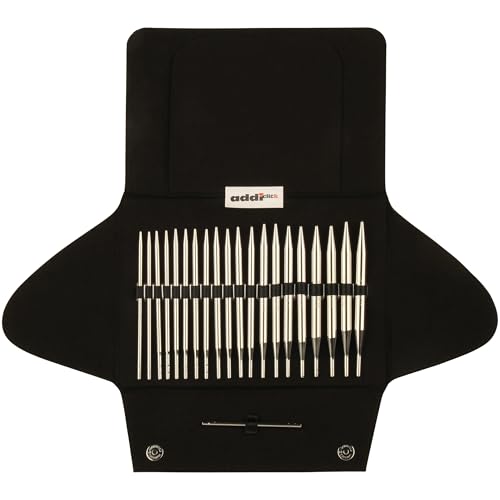
The Addi Click system functions differently than most, utilizing a unique push-and-twist mechanism rather than a traditional screw-in thread. Because of this, the "key" is actually a specific tool designed to depress the spring-loaded mechanism securely.
You don’t need excessive force here; instead, you need precision. Using the wrong tool can damage the internal spring, which is a common mistake for those transitioning from screw-type needles to the Click system.
When you hear that distinct "click," you know the connection is locked. Always keep the original tool provided, as its specific gauge is calibrated to the exact tension required for the spring housing.
KnitPicks Options Metal Tightening Pin
The KnitPicks pin is a classic, minimalist design that gets the job done without any unnecessary bulk. It is essentially a sturdy, L-shaped wire that fits perfectly into the small hole found on the female end of their interchangeable cables.
Because the wire is thin, it is incredibly easy to lose in your project bag, so many knitters attach it to a stitch marker or a ribbon. It is a no-frills tool that emphasizes function over form, making it an affordable staple for your knitting kit.
While it lacks the ergonomic handle of larger keys, it provides enough mechanical advantage to tighten the needle firmly against the cable. If you find the wire uncomfortable, you can slide a small piece of rubber tubing over the end to create a makeshift grip.
Lykke Driftwood Interchangeable Tool

Lykke needles are renowned for their beautiful, smooth birchwood finish, and their tightening tool is designed to match that aesthetic while remaining highly functional. It features a simple, sturdy metal rod that provides a reliable grip on the cable’s tightening hole.
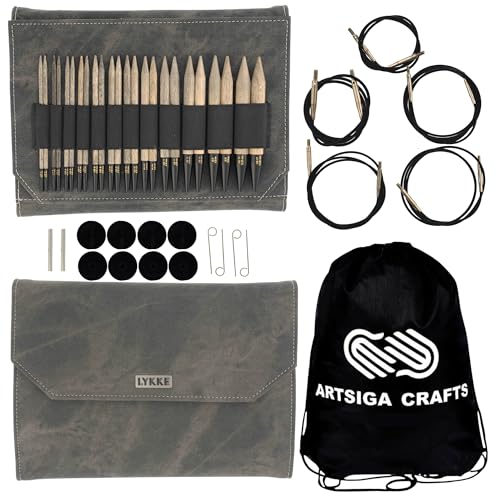
Because wood needles are often used for wools and plant fibers that have more "grab," the connection point must be perfectly smooth to prevent snagging. A loose connection on a wood needle is particularly dangerous, as the yarn can easily get caught in the gap between the wood and the metal join.
This tool is simple and effective, though it lacks the leverage of T-shaped designs. It is best suited for those who maintain a moderate tension and don’t require extreme torque to keep their needles in place.
HiyaHiya Interchangeable Needle Key
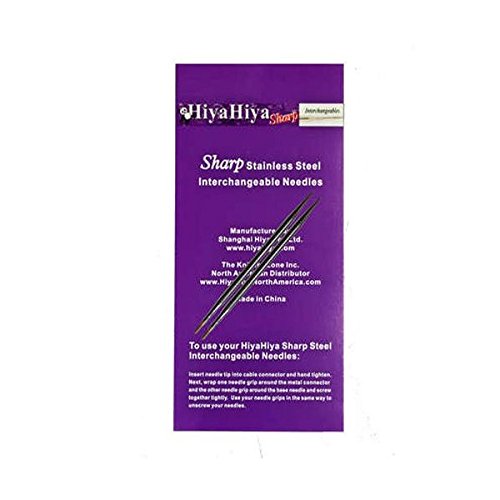
HiyaHiya keys are known for their slender, flexible profile, which makes them highly portable. They are designed to fit perfectly into the small holes of the HiyaHiya cable system, providing just enough leverage to create a secure, seamless join.
One thing to keep in mind is that these keys are thinner than others on the market. If you have a tendency to over-tighten, you might find the wire bending slightly, so use steady, controlled pressure rather than a sudden jerk.
These are excellent for travel knitting, as they take up virtually no space in a notions pouch. They are the ideal companion for the HiyaHiya stainless steel tips, which are prized by lace knitters for their sharp points and slick surface.
Knitter’s Pride Stainless Steel Key

The Knitter’s Pride key is a reliable workhorse that works across a wide range of their interchangeable lines, including the Mindful and Ginger collections. It is a standard L-shaped wire that is both durable and easy to manipulate.
The stainless steel construction is resistant to rust, which is important if you live in a humid climate or frequently knit with damp, blocked fibers. It is a straightforward tool that prioritizes longevity and consistent performance.
If you own multiple sets from this manufacturer, you will find that these keys are interchangeable across their entire range. This makes it easy to keep one in every project bag without worrying about which tool belongs to which set.
Why Secure Tightening Prevents Needle Snags
A snag occurs when the transition between the cable and the needle tip is not perfectly flush. Even a microscopic gap, often caused by a loose connection, acts like a hook that catches the ply of your yarn.
When you are working with delicate fibers like alpaca or single-ply wool, a snag can lead to fraying or even a broken strand. By using your tightening key to ensure the needle is firmly seated against the cable, you eliminate the "step" that causes these interruptions.
Consistent checking of your connections is a hallmark of an experienced knitter. It transforms your knitting experience from a series of frustrations into a fluid, rhythmic process where the tool disappears into the background.
How to Properly Use Your Interchangeable Key
To get the best results, insert the key fully into the hole located on the cable connector. While holding the key stationary, rotate the needle tip clockwise until it stops firmly against the cable.
Avoid "over-tightening" to the point where the metal threads might strip or the key bends. The goal is a firm, snug fit, not a permanent weld that requires pliers to remove later.
If you find that your needles still loosen during a long project, check the threads for stray fiber or dust. Sometimes a small bit of lint can prevent a truly flush seal, regardless of how hard you tighten.
Troubleshooting Loose Needle Connections
If your needles keep coming loose, the issue may not be the key, but rather the way you hold your needles. If you have a tight grip or a fast knitting style, you might be accidentally unscrewing the needle with your thumb as you work.
In these cases, consider using a small rubber gripper pad to hold the needle firmly while you tighten with the key. This provides the extra friction needed to ensure the needle is seated as deeply as possible into the threads.
If the threads themselves feel loose or "wobbly" even when tightened, inspect the cable connector for damage. Sometimes the internal threads in the cable can wear out over years of heavy use, necessitating a replacement cable rather than a new key.
Essential Maintenance for Needle Connectors
Treat your needle connectors like precision instruments by keeping them clean and free of debris. A quick wipe with a soft cloth after finishing a project removes skin oils and fiber dust that can interfere with a tight seal.
Store your cables in a way that avoids sharp bends, which can stress the connector housing over time. When your connectors are in good health, the tightening key will perform its job with minimal effort.
Remember that these tools are inexpensive but vital to the longevity of your needle collection. Replacing a worn-out key is a small price to pay to protect your needles and your precious hand-knit garments.
Mastering the use of your interchangeable tightening key is a simple habit that yields massive dividends in knitting quality. By ensuring your connections are secure, you protect your yarn from damage and your nerves from the frustration of mid-row disconnections. Take the time to find the key style that fits your hand and your knitting style, and keep your tools clean and ready for the next cast-on. Happy knitting, and may your joins always be seamless.