6 Best Lint Removal Tools For Carriage Tracks Tested
Keep your sliding doors smooth. We tested 6 top lint removal tools for carriage tracks to help you clear debris and restore effortless movement efficiently.
There is nothing more frustrating than mid-row resistance when you are halfway through a complex colorwork project. Lint, dust, and microscopic fiber fragments accumulate in carriage tracks, acting like sandpaper on your machine’s delicate mechanics. Keeping these rails clear is the single most effective way to ensure smooth, consistent stitch formation. Here are the best tools to keep your knitting machine running as if it were brand new.
Brother KH-970 Cleaning Brush: Best Overall Pick


This brush is the gold standard for a reason, featuring stiff, angled bristles that perfectly match the profile of Brother track channels. It reaches deep into the crevices where fiber dust settles, lifting debris without forcing it further into the machine’s internal springs.
If you are working with high-shedding fibers like unspun wool or mohair, this brush is your first line of defense. The ergonomic handle allows you to apply firm pressure while maintaining control, preventing accidental slips that could scratch the rail coating.
The tradeoff here is size; it is not designed for the tightest, most recessed corners of the needle bed. However, for general maintenance, its durability and bristle density make it an essential staple for any machine knitter’s kit.
Silver Reed Needle Pusher: Best Precision Choice
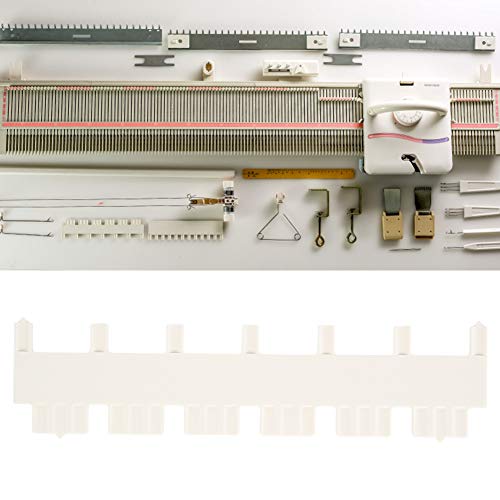
While primarily designed for needle selection, the flat, tapered end of the Silver Reed pusher is surprisingly effective at clearing track obstructions. Its thin profile allows you to slide it along the rail to dislodge stubborn, compacted lint that brushes simply glide over.
I often use this when I notice a slight "hitch" in the carriage movement during lace knitting. By gently guiding the pusher along the track, you can feel exactly where the resistance is coming from, allowing for targeted cleaning.
Be mindful of the material, as metal tools can scratch delicate plastic rails if used with too much force. Use it as a diagnostic probe first, then follow up with a soft brush to remove the loosened debris.
KnitKing Carriage Cleaning Pick: Best for Detail
The KnitKing pick is a specialized tool that excels at getting into the narrow "V" grooves of the carriage track. When you are knitting with sticky, high-friction yarns like cotton or linen, these tracks tend to collect a dense, waxy buildup.
This pick acts like a dental tool for your machine, allowing you to scrape away residue that has hardened over time. It is particularly useful for machines that have spent time in storage, where old oil and dust have formed a gummy layer.
Use this tool sparingly, as the sharp point is meant for precision, not heavy-duty scrubbing. Always work in a well-lit area to ensure you are clearing the track and not inadvertently damaging the track’s finish.
Singer Fine-Tip Lint Tweezers: Best for Debris

Sometimes, a stray fiber or a bit of broken yarn gets lodged deep within the carriage mechanism itself. These fine-tip tweezers are the only way to extract such debris without disassembling the entire carriage unit.
I recommend keeping these in your project bag, especially when working with dark-colored yarns that shed heavily. They are perfect for plucking out those tiny, annoying tufts that cause the carriage to jump or skip needles.
They are not, however, a substitute for a full cleaning brush. Use them to remove large obstructions, then finish the job with a brush and a lint-free cloth to ensure no micro-fibers remain behind.

Addi Express Maintenance Tool: Best for Tracks

Though designed for circular knitting machines, the Addi maintenance tool is a hidden gem for flatbed machine owners. Its unique shape is designed to clear out the circular track where the carriage travels, making it incredibly effective for long, straight rails.
The soft, flexible tip conforms to the track’s geometry, picking up dust that harder tools might miss. It is particularly gentle, making it the safest option for those who worry about scratching the rail surface.
If you find that your carriage feels "gritty" despite regular cleaning, this tool is likely the answer. It covers a larger surface area than a brush, ensuring you don’t miss any patches of dust along the length of the bed.
Generic Anti-Static Cleaning Swabs: Best Value
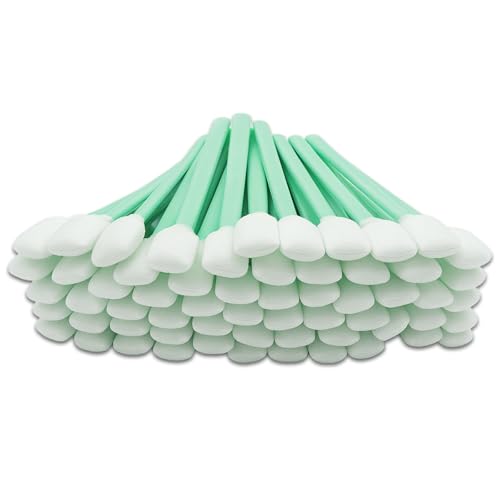
Anti-static swabs are an inexpensive, essential tool for the final step of any cleaning routine. They are perfect for applying a tiny drop of machine oil to the tracks while simultaneously wiping away the last of the dust.
I prefer these over cotton balls, which tend to leave behind tiny, annoying fibers that only add to the lint problem. The foam heads are durable and don’t fray, ensuring your tracks remain perfectly smooth for your next project.
Buy them in bulk and keep them near your machine for quick, daily wipe-downs. A clean, lightly oiled track is the secret to consistent tension and happy knitting.
Why Carriage Track Maintenance Matters for Knits
When lint builds up in the tracks, it creates uneven resistance as the carriage slides across the bed. This inconsistency is often mistaken for tension issues, leading knitters to unnecessarily adjust their tension dials or weights.
If your carriage is fighting against grit, your stitch formation will suffer, resulting in dropped stitches or uneven loops. By keeping the tracks clear, you ensure that the carriage moves with a consistent, fluid motion, which is crucial for even gauge.
Regular maintenance also extends the life of your machine’s plastic components. Grit acts as an abrasive, and over thousands of passes, it can wear down the metal or plastic surfaces of your rails, leading to permanent damage.
Essential Tools for Daily Machine Care Routines
Your daily routine doesn’t need to be complicated to be effective. A simple kit consisting of a soft-bristle brush, a lint-free cloth, and a small vial of machine oil is more than enough for most knitters.
- Soft Brush: For removing surface dust before every project.
- Lint-Free Cloth: For wiping down rails after cleaning.
- Machine Oil: To keep the carriage gliding smoothly.
- Tweezers: For removing stray fibers or yarn ends.
Consistency is far more important than the intensity of the cleaning. Taking thirty seconds to brush the tracks after a long session prevents the buildup from hardening and becoming a much larger problem later.
How to Safely Remove Lint Without Damaging Rails
Always work in the direction of the rail, never perpendicular to it, to avoid catching the edge of the metal. Use gentle, sweeping motions to move the lint toward the end of the bed where it can be easily vacuumed or brushed away.
Avoid using compressed air unless you are very careful, as it can push dust deeper into the carriage’s internal gears. Instead, rely on brushes and swabs to physically remove the debris from the machine.
If you encounter a stubborn patch of grime, use a tiny amount of isopropyl alcohol on a swab to dissolve it. Never use harsh solvents or abrasive pads, as these can strip the protective finish off your machine’s rails.
Troubleshooting Common Carriage Sticking Issues
If your carriage is sticking, first check for physical obstructions like a stray yarn end or a piece of broken needle. If the track appears clean, check the underside of the carriage for built-up, congealed oil mixed with fiber dust.
Sometimes, the issue isn’t the track at all, but the tension of the yarn itself. If you are using a sticky, high-friction fiber like raw alpaca, it may be causing the needles to drag, which feels like a carriage issue.
When in doubt, clean the tracks, re-oil them sparingly, and test with a smooth, plied yarn like a standard wool or acrylic. If the carriage still sticks, it may be time to have a professional technician inspect the internal timing of the machine.
Maintaining your carriage tracks is a small investment of time that pays massive dividends in the quality of your finished garments. By keeping these channels free of debris, you eliminate the primary cause of uneven tension and mechanical wear. Treat your machine with this level of care, and it will reward you with years of beautiful, consistent knitting. Happy making!