6 Best Cast On Combs For Ribber Setup To Try
Discover the top 6 cast-on combs for your ribber setup. This guide reviews essential tools to ensure smooth, professional starts for every knitting project.
Mastering the ribber setup is the single biggest hurdle for most machine knitters, yet the humble cast-on comb is the key to a stress-free start. Whether you are struggling with dropped stitches or uneven tension at the hem, the right tool provides the necessary weight for a professional finish. This guide breaks down the best cast-on combs for the most popular ribber models to help you achieve consistent, beautiful results. Choosing the correct comb isn’t just about compatibility; it’s about understanding how weight distribution influences your fabric’s elasticity and drape.
Passap Standard 5mm Ribber Cast On Comb Review
The Passap comb is a unique beast, reflecting the distinct engineering philosophy of Swiss knitting machines. Unlike other brands that rely on heavy wire weights, the Passap system uses a specialized comb that interacts directly with the unique needle bed geometry.


This comb is designed for precision, ensuring that the stitches are held at the exact tension required for the machine’s dual-bed operation. If you are working with fine, slippery yarns like mercerized cotton, the grip of this comb is unparalleled.
However, the learning curve is steep because the comb must be inserted with perfect alignment. If you rush the process, you risk bending the delicate teeth, which can lead to uneven tension across your row.
Silver Reed SRP60N Ribber Cast On Comb Setup
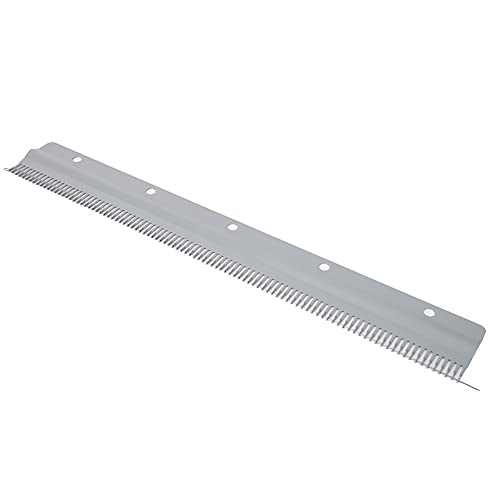
The SRP60N comb is the workhorse of the modern machine knitting world, favored for its versatility and ease of use. It features a sturdy, multi-piece design that allows you to adjust the weight depending on the width of your knitting.
I often recommend this comb to beginners because the wire hooks are forgiving and easy to manipulate. When you are casting on for a wide garment, you can easily interlock the sections to create a seamless, weighted edge.
The trade-off here is the weight itself; for very delicate, cobweb-weight wool, the standard comb might be too heavy. You may find yourself needing to manually support the comb as the fabric grows to prevent the weight from distorting your stitches.
Brother KR850 Ribber Cast On Comb Essentials

Brother machines are legendary for their smooth operation, and the KR850 comb is a perfect reflection of that mechanical refinement. The teeth are spaced to perfectly match the 4.5mm needle pitch, ensuring that every needle catches the yarn during the initial cast-on.
One of the standout features is the "swivel" action of the wire, which makes it easier to release the comb once you have knitted enough rows. This is a lifesaver when you are working with sticky fibers like mohair or high-twist alpaca that tend to cling to the comb teeth.
Be aware that the plastic end-caps can become brittle over decades of use. If you are buying a vintage set, check these parts carefully, as a cracked end-cap can cause the weight wire to slip out mid-project.
Toyota 901 Ribber Cast On Comb Performance
Toyota ribbers are often undervalued, but their cast-on combs are incredibly robust and well-engineered. The 901 comb is designed to handle a wide range of yarn weights, from thin fingering to chunky weight, without needing constant adjustment.
The secret to this comb’s performance is the depth of the hook; it provides a deep "bite" into the cast-on edge. This is particularly helpful when working with superwash wool, which can be notoriously slippery and prone to unravelling if not secured properly.
The only downside is that these combs are becoming harder to source as parts. If you find one in good condition, treat it with care and keep the metal hooks free of oxidation to ensure it continues to slide smoothly.
Knitmaster 700 Ribber Cast On Comb Features
The Knitmaster 700 comb is designed for the knitter who values speed and efficiency. Its lightweight construction makes it less tiring to handle during long sessions, especially when you are casting on full-width panels for sweaters.
The design emphasizes a wide, stable base, which helps keep the fabric from curling toward the ribber bed. This is a critical feature if you are knitting with acrylic blends that have a high "memory" and a tendency to twist.
While it excels at speed, the lighter weight means it might not provide enough tension for very heavy, dense fabrics. You may need to supplement it with additional claw weights to keep your tension consistent as you move away from the needle bed.
Artisan 245 Ribber Cast On Comb Comparison
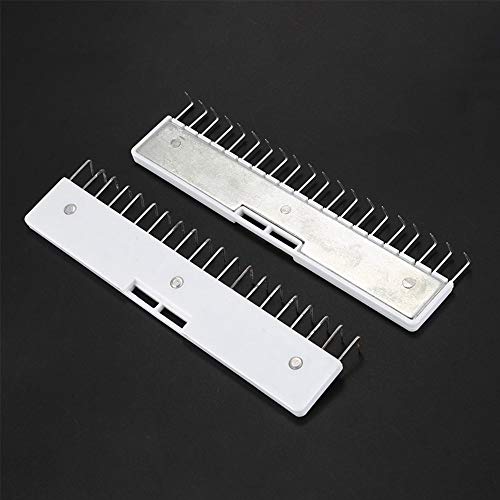
The Artisan 245 is a modern alternative that mimics the classic Japanese-style ribber design. It is an excellent choice for those using contemporary machines who want a reliable, brand-new tool rather than hunting for vintage parts.
Compared to the Brother or Silver Reed models, the Artisan comb is slightly more utilitarian. It lacks some of the refined finishing of the older brands, but it performs the job of holding the cast-on edge with absolute reliability.
If you are a hobbyist who values function over brand pedigree, this is a fantastic value. It handles a variety of fiber types well, though you should always perform a test swatch to ensure the weight is appropriate for your specific yarn’s elasticity.
Essential Tips for Using Ribber Cast On Combs
- Always start with a waste yarn cast-on: This allows you to hang the comb and weights without stressing your actual project yarn.
- Balance your weights: Never hang all your weights in the center; distribute them evenly across the width of the comb to prevent "puckering."
- Monitor the fabric growth: As your piece gets longer, move the comb and weights up periodically to maintain consistent tension.
- Use the right wire: Ensure the wire gauge matches your comb’s design; using a wire that is too thick will stretch your stitches, while one too thin may fall out.
How to Choose the Right Comb for Your Machine
Choosing a comb is primarily about matching the needle pitch of your ribber. A 4.5mm machine requires a comb designed for that specific spacing; using a 5mm comb will result in misaligned stitches and potential needle damage.
Consider the weight of your yarn as well. If you frequently work with heavy, bulky yarns, look for a comb with a reinforced spine that can hold more claw weights without bowing.
Finally, consider your physical comfort. If you have limited hand strength, prioritize a comb that is lightweight and features an ergonomic design, or use a system that allows for easy attachment of supplementary weights.
Troubleshooting Common Ribber Setup Problems
If your comb keeps falling out, check the "bite" of your initial cast-on row. Often, the problem isn’t the comb, but a cast-on that is too loose or uneven, failing to provide a solid anchor for the hooks.
If you notice "ladders" or holes at the edge of your work, your comb might be too heavy for the yarn you are using. Try removing the comb earlier in the process and switching to smaller, individual claw weights to support the fabric.
Lastly, if your comb teeth are snagging the yarn, check for burrs or rough spots. A quick polish with a fine-grit emery board can often save a comb that feels like it is "grabbing" the fibers.
Maintaining Your Machine Cast On Combs Properly
Your comb is a precision tool and should be treated as such. After every project, wipe the metal teeth with a soft, lint-free cloth to remove any fiber dust or residual oils from the yarn.

If you notice any surface rust, use a light machine oil and a fine scouring pad to gently buff it away. Never store your combs in a damp environment, as the metal can oxidize, leading to snagging during future projects.
Store your combs in a flat position or hanging vertically to prevent the teeth from bending. A bent tooth is the most common cause of "dropped" stitches during the cast-on process, so protecting the physical integrity of the comb is paramount.
Selecting the right cast-on comb is an investment in the longevity and quality of your machine knitting projects. By understanding the specific needs of your machine and the properties of your chosen yarn, you can eliminate the most frustrating aspects of the ribber setup. Remember that even the best tool requires practice, so take the time to swatch and experiment with weight distribution. With a well-maintained comb and a steady hand, you will find that the ribber becomes your most reliable partner in creating professional-grade knitwear.