6 Best Yarn Needles For Bulky Weight Projects
Tackling bulky yarn? Discover the 6 best needles designed for thick fibers. Learn which materials and eye sizes ensure smooth weaving for your next project.
Working with bulky yarn is one of the most rewarding ways to build a handmade wardrobe, but the physical strain on your hands and wrists is real. Choosing the right needle can turn a heavy, cumbersome project into a smooth, rhythmic experience. These six options represent the gold standard for managing thick fibers without sacrificing comfort or stitch definition. Whether you are a fan of fast-paced knitting or deliberate, slow crafting, finding the right tool is the secret to finishing your next oversized sweater or cozy blanket.
ChiaoGoo Red Lace Circulars: Best Overall Choice
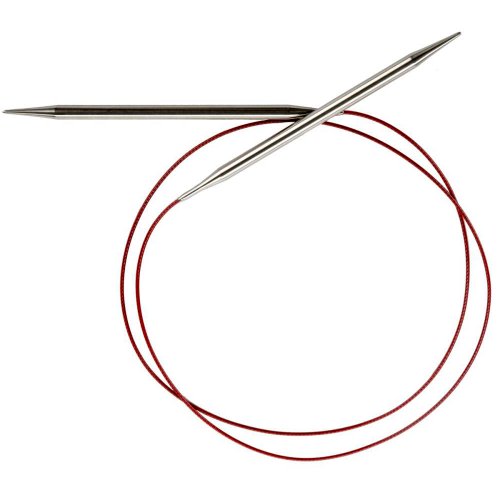

If you value a seamless transition between the cable and the needle tip, these are the industry standard for a reason. The surgical-grade stainless steel provides just enough slide to keep bulky stitches moving without feeling like they are going to fly off the needles.
The hallmark of the Red Lace is the multi-strand steel cable, which is coated in nylon. It is incredibly flexible and memory-free, meaning it won’t kink or coil up while you are trying to manage a heavy, weighted project like a chunky wool throw.
While the tips are sharp, they aren’t "piercing" sharp, which saves your fingertips when you are pushing against the resistance of a thick wool ply. They offer a perfect balance of speed and control.
Addi Rocket Squared Needles: Best Ergonomic Pick

When you are working with thick, heavy yarns for hours, your hands can start to cramp from the constant grip required to hold larger needles. The textured, square-shaped surface of these needles is designed to alleviate that tension.
The square barrel provides a natural grip, which requires less pressure to hold the needle steady. This is a game-changer for knitters who suffer from arthritis or general hand fatigue after long sessions of working with super-bulky roving yarns.
Be aware that these needles are quite slick. If you are using a slippery synthetic or a smooth alpaca, you might find your stitches sliding a bit too freely, requiring you to adjust your tension slightly.
Knitter’s Pride Basix Birch: Best Budget Option

Sometimes you need a larger needle for a one-off project, and you don’t want to invest in a premium metal set. These birch needles are warm to the touch and offer a natural grip that prevents bulky, slick yarns from sliding off prematurely.
Because they are made of wood, they have a bit of "grab." This is excellent for beginners who are still learning to control their tension, as it prevents the stitches from slipping off the tip while you are manipulating a heavy, bulky project.
The tradeoff is that wood needles can snap if you are a particularly tight knitter or if you accidentally sit on them. Treat them with care, and they will serve you well for many bulky projects to come.
Lykke Driftwood Circulars: Best Smooth Finish
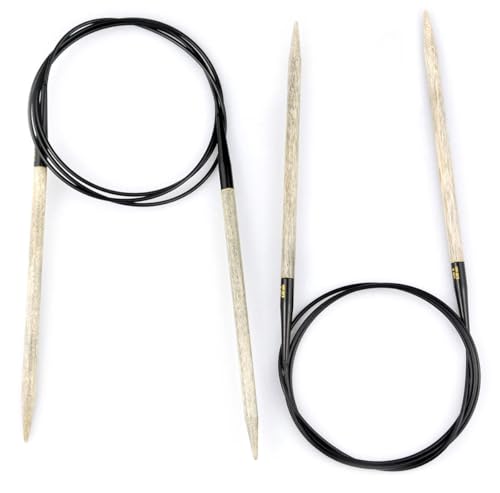
Lykke needles are renowned for their stunning aesthetic, but the performance matches the look. The driftwood finish is polished to a high degree, providing a surface that is smooth enough for speed but not so slick that it loses control.
These needles are surprisingly lightweight, which is a massive benefit when you are knitting a large-scale project. Carrying the weight of a heavy wool blanket is hard enough; you don’t want your needles adding unnecessary heft to the equation.
They feel substantial in the hand without being heavy. If you enjoy the tactile experience of knitting with natural materials, these are arguably the most luxurious option for bulky work.
Clover Takumi Bamboo Needles: Best for Beginners

If you are just starting out with bulky yarn, the last thing you want is a needle that works against you. Clover Takumi needles are the quintessential "starter" needle because they provide a consistent, grippy surface that keeps stitches exactly where you place them.
Bamboo is lightweight and flexible, which makes it very forgiving on the hands. When you are learning to manage the bulk of a thick yarn, the natural friction of bamboo acts as a safety net for your stitch count.
While they may be too "slow" for advanced knitters who want to race through a project, they are perfect for building muscle memory. Once you are comfortable with your gauge, you can always graduate to a slicker metal needle.
HiyaHiya Sharp Steel Needles: Best for Precision

If your bulky project involves complex stitch patterns like cables or bobbles, you need a tip that can get into tight spaces. HiyaHiya Sharp needles are famous for their tapered, needle-sharp points that make picking up thick, multi-ply yarns effortless.
The steel is exceptionally smooth, allowing the yarn to glide over the needle with minimal effort. This is essential when you are working with "sticky" fibers like high-twist wool that might otherwise fight you on a wood needle.
Because the tips are so sharp, they can be a bit aggressive on your fingertips. If you find your skin getting sore after a few rows, consider wearing a small silicone finger cap to protect your skin while you work.
Understanding Needle Material for Bulky Projects
Choosing between wood, metal, and plastic is about more than just personal preference; it is about the physics of your yarn. Slick metal needles are best for high-friction fibers like mohair or sticky wool, while grippy wood needles are better for yarns that have a tendency to slide off the needle.
- Metal: Fast, durable, and excellent for precision.
- Wood/Bamboo: Warm, grippy, and easier on the joints.
- Plastic/Resin: Often a middle-ground, though they can sometimes feel "draggy" against certain fibers.
Always consider the "tooth" of your yarn. A rustic, single-ply wool will behave very differently than a smooth, mercerized cotton, and your needle choice should compensate for those inherent properties.
Why Cable Flexibility Matters for Heavy Yarns
With bulky projects, the weight of the fabric begins to pull on the cable as you knit. If the cable is stiff or has a "memory" for curling, it will constantly fight your hands, leading to significant fatigue.
Look for cables that are supple and have a smooth join where they meet the needle tip. A "snag-free" join is non-negotiable; if your yarn catches every time you move a stitch from the cable to the needle, your knitting speed will plummet.
If your cable is too stiff, you can often soften it by soaking it in warm (not boiling!) water for a few minutes. This is a simple trick to make any set of needles more manageable for large, heavy-duty projects.
Matching Needle Tip Length to Your Knitting Style
Needle tip length is an often-overlooked factor in knitting comfort. If you are a "flicker" who holds the needle tips delicately, a longer tip provides better leverage and balance.
If you are a "thrower" or someone who holds the needles close to the tips, a shorter tip might feel more ergonomic. For bulky projects, a standard 4-inch or 5-inch tip is usually ideal, as it provides enough surface area to hold the larger stitches without feeling unwieldy.
Don’t be afraid to experiment with different lengths. What feels great for a delicate lace project might feel cramped and awkward when you are working with a thick, super-bulky weight yarn.
Essential Tips for Managing Large Bulky Stitches
Large stitches are prone to stretching, which can lead to uneven fabric if you aren’t careful. Try to keep your stitches snug against the needle shaft, but avoid pulling them so tight that you cannot easily insert the needle on the next row.
- Mind your gauge: Always swatch, as bulky yarn grows significantly after washing and blocking.
- Support the weight: Keep your project in your lap or on a table to prevent the weight of the fabric from pulling on your stitches and distorting your gauge.
- Take breaks: The repetitive motion of bulky knitting is intense; stretch your hands and wrists every 20 minutes to prevent strain.
Ultimately, remember that your hands are your most important tool. If a specific needle size or material is causing discomfort, switch it out; there is no prize for knitting through pain.
Selecting the right needle for bulky projects is a balance between the grip you need for the yarn and the comfort you need for your hands. By matching the needle material to your fiber and the cable style to your project weight, you can ensure a much more enjoyable crafting experience. Do not settle for tools that fight your progress or cause unnecessary strain during your sessions. With the right equipment in hand, you will find that even the heaviest, thickest projects become a joy to create.