6 Best Lint Brushes For Knitting Machine Beds
Keep your knitting machine bed pristine. We review the six best lint brushes to remove debris, ensuring smooth carriage movement and perfect stitch quality.
Maintaining your knitting machine bed is just as vital as choosing the right tension for a delicate mohair project. Over time, fiber debris and dust settle into the needle grooves, creating friction that ruins your stitch consistency. These six brush options represent the gold standard for keeping your machine running smoothly. Investing in the right maintenance tools ensures your machine remains a reliable partner for every cast-on.
Brother KH-860 Essential Cleaning Brush Set


The Brother KH-860 set is a classic for a reason, designed specifically to navigate the tight channels of standard-gauge beds. These brushes feature a dual-density bristle configuration that balances rigidity for dislodging debris with enough flexibility to avoid scratching the precision-engineered needle hooks.
If you frequently work with fuzzy fibers like angora or loosely spun wool, you know how quickly fluff migrates into the needle bed. This set excels because the narrow profile allows you to reach behind the sinker plate without removing the entire needle assembly.
The trade-off here is the handle length, which can feel slightly awkward during deep-cleaning sessions. However, for daily maintenance between projects, the precision of the bristle density is unmatched. Keep these brushes in your primary kit to ensure your needles slide effortlessly during every carriage pass.
Silver Reed Anti-Static Machine Bed Brush

Silver Reed machines often feature specific coatings that can be sensitive to synthetic fiber buildup. This anti-static brush is engineered to neutralize the charge that attracts lint to the needle beds, effectively repelling dust before it settles into the carriage tracks.
When you are knitting with high-friction yarns like cotton or linen, static electricity becomes a major nuisance. Using a standard brush often just moves the dust around, but this specialized tool lifts it away from the surface entirely.
The bristles are slightly softer than those on vintage sets, making them ideal for the delicate electronics and plastic components found in modern Silver Reed models. If you find your carriage "stuttering" mid-row, a quick pass with this brush usually solves the issue.
Knittax Soft Bristle Bed Maintenance Brush
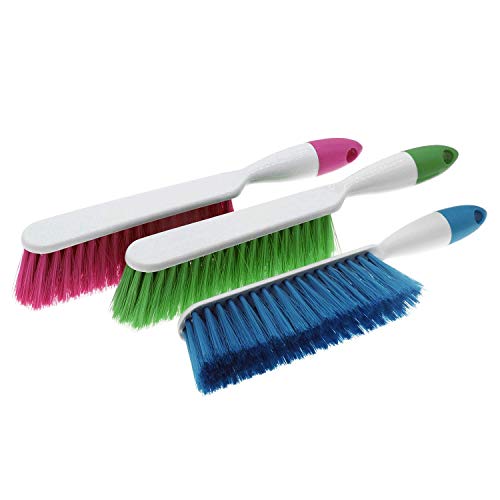
Knittax machines are renowned for their robust engineering, and this soft-bristle brush is built to match that build quality. The bristles are long and supple, designed to sweep across the entire needle bed in a single, fluid motion.

I recommend this for knitters who use a variety of fiber weights, from lace-weight silk to heavy worsted wool. Because the bristles are gentle, they won’t inadvertently snag on the needle latches or damage the delicate springs holding the needles in place.
Be aware that these soft bristles aren’t designed to scrub stubborn, compacted grease or old oil. Use this tool for routine daily dusting to keep your machine pristine. It is the perfect choice for the knitter who values gentle, frequent care over occasional deep cleaning.
Passap Duo-Matic Specialized Lint Remover

Passap machines operate on a unique double-bed system that is notoriously difficult to clean. This specialized lint remover is essentially a long, thin wand designed to slip between the two beds, targeting the "hidden" areas where debris accumulates.
If you have ever struggled with a dropped stitch in the center of a wide panel, you know that hidden lint is often the culprit. This tool allows you to clear the tracks without the frustration of taking the machine apart.
The structure is rigid, which is a massive advantage when working with the tight tolerances of a Duo-Matic. It is an essential investment for anyone who relies on the precision of a double-bed machine. Handle it with care, as its rigidity means it doesn’t leave much room for error.
KnitKing Nylon Fiber Bed Cleaning Tool
KnitKing machines often share DNA with Brother models, but they require a specific touch due to their heavy-duty nature. This nylon fiber tool is designed to be durable enough to handle years of regular use without losing its shape or shedding bristles into your machine.
Nylon is the preferred material here because it doesn’t absorb oil or moisture, which can be a problem with natural hair brushes. If you use heavy lubricants on your needle beds, this tool will remain effective long after others have become matted and useless.
The trade-off is that nylon can be slightly abrasive if you press too hard. Always use a light, sweeping motion to move debris toward the edge of the bed. It’s a workhorse tool that belongs in the toolbox of any high-volume knitter.
Singer Heavy Duty Machine Bed Lint Brush

Singer machines are known for their distinct mechanical feel, and this heavy-duty brush is designed to handle the debris left behind by more abrasive, raw-spun yarns. The bristles are stiff and tightly packed, perfect for clearing out the grit that can accumulate during long, intensive projects.
If you are working with rustic, unwashed wools that still contain bits of vegetable matter, this brush is your best friend. It provides the mechanical action needed to dislodge stubborn particles that softer brushes would simply skip over.
Because of its stiffness, use it exclusively on the metal bed components. Avoid using it on the plastic carriage housing or delicate plastic parts to prevent minor surface scratches. It is the ideal tool for that once-a-month deep clean when you notice your carriage resistance increasing.
Why Machine Bed Maintenance Affects Stitch Quality
A clean needle bed is the foundation of even, professional-looking fabric. When lint builds up around the needle shank, it changes the needle’s travel path, which directly impacts your loop size and tension.
- Uneven tension: Lint creates drag, causing some needles to lag during the carriage pass.
- Dropped stitches: Debris can prevent the needle latch from closing properly, leading to skipped loops.
- Carriage wear: Accumulated grit acts like sandpaper, causing premature wear on both the needle and the carriage cams.
Think of your machine bed like the engine of a car; it requires a clean environment to perform at its peak. Even a small amount of buildup can turn a smooth, rhythmic knitting session into a frustrating exercise in troubleshooting.
How to Safely Remove Fiber Debris From Needles
The safest way to remove debris is to move from the center of the bed toward the edges, following the direction of the needle channels. Never push debris deeper into the carriage track, as this can cause it to become compacted and harder to remove.
Use a combination of a brush and a low-pressure air canister if necessary, but be careful not to blow debris into the internal mechanical parts of the carriage. Always ensure your machine is set to a "non-knitting" position before you begin cleaning.
Avoid using sharp metal picks or needles to "dig" out lint, as this will inevitably scratch the metal bed. Scratches create burrs that will snag your yarn for the life of the machine. Stick to brushes and soft, lint-free cloths for the best results.
Essential Tips for Preventing Lint Accumulation
The best way to manage lint is to minimize its production before it even reaches the bed. Choosing high-quality, well-plied yarns reduces the amount of "fly" or loose fibers that shed during the knitting process.
- Wind your yarn carefully: Ensure your cones are wound tightly to prevent snagging and shedding.
- Use a yarn mast guide: Keeping the yarn path clean and unobstructed reduces friction.
- Clean after every project: A five-minute brush-down after finishing a garment prevents long-term buildup.
If you are working with a particularly "hairy" fiber like mohair, consider keeping the machine covered when not in use. Dust and ambient lint settle on oiled surfaces very quickly, so a simple fabric cover goes a long way.
Best Practices for Long-Term Machine Care Cycles
A comprehensive maintenance cycle includes daily brushing, weekly checks, and a deeper cleaning every few months. During your deep clean, you should carefully inspect the needle latches and replace any that show signs of fatigue or bending.
Consistency is more important than intensity; you don’t need to deep-clean every day, but you should brush your bed after every significant project. This habit ensures that you catch small issues before they become mechanical failures.
Remember that every machine has its own "personality" and maintenance needs. If you find yourself knitting large blankets or heavy sweaters, your maintenance cycle should be more frequent than if you only knit occasional baby garments. Treat your machine with respect, and it will return the favor with decades of perfect stitches.
Your knitting machine is a precision instrument that rewards consistent, thoughtful care. By choosing the right brush for your specific machine and fiber preferences, you protect your investment and ensure a smoother knitting experience. Remember that a clean bed is the secret behind every beautiful, even piece of fabric you produce. Happy knitting, and keep those needle channels clear!