7 Best Dust Masks For Fiber Inhalation Protection
Protect your lungs from hazardous particles. We review the 7 best masks for fiber inhalation, focusing on filtration efficiency, comfort, and safety standards.
When we spend hours working with loose, fuzzy mohair or breaking down raw fleece, we often forget that our lungs are inhaling tiny fibers alongside our yarn. Protecting your respiratory health is just as important as choosing the right needle material or managing your tension. This guide breaks down the best masks to keep your workspace safe so you can focus on your stitch count. Whether you are spinning, carding, or just working with high-shed yarns, these options ensure you stay comfortable and protected.
3M Aura 9205+ N95: Best Overall for Fiber Dust
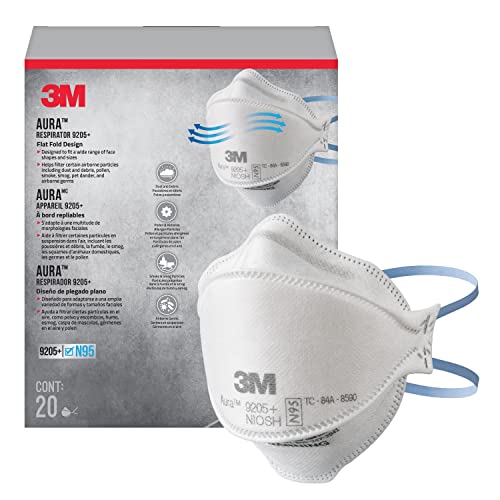

The 3M Aura 9205+ is the gold standard for a reason. Its unique three-panel design moves with your face, meaning it won’t shift or collapse while you’re hunched over a complex cable chart.
The foam nose cushion is a lifesaver if you wear glasses, as it significantly reduces the warm air fogging up your lenses. For anyone working with angora or fluff-heavy fibers that tend to drift into the air, this mask provides a reliable, tight seal.
While it feels slightly more industrial than a fabric mask, the protection it offers is unmatched. It’s the best choice for long-term health when you’re dealing with high-shed fibers that could otherwise irritate your throat during a marathon knitting session.
Honeywell DC365 N95: Top Choice for Comfort
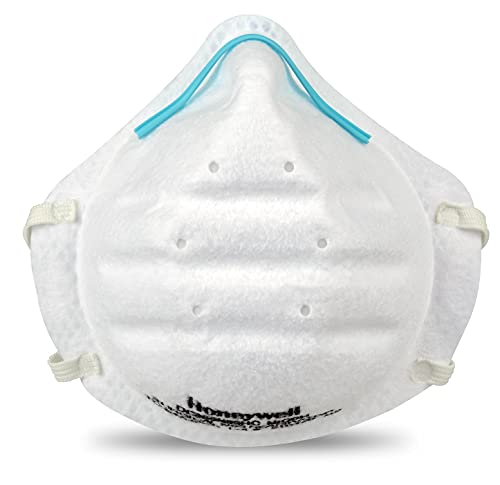
If you find standard N95 masks too restrictive, the Honeywell DC365 is a fantastic alternative. It features a molded cup shape that sits away from your mouth, giving you plenty of room to breathe—or talk—while you work.
The inner lining is impressively soft, which matters when you’re wearing it for several hours of spinning or fiber processing. It doesn’t feel like it’s scraping against your skin, even if you’re working in a warm room.
The trade-off here is the bulk; it’s not as easy to fold up and toss in your project bag as a flat-fold mask. However, if comfort is your primary barrier to wearing a mask, this is the one to pick.
GVS Elipse P100: Best for Heavy Wool Processing
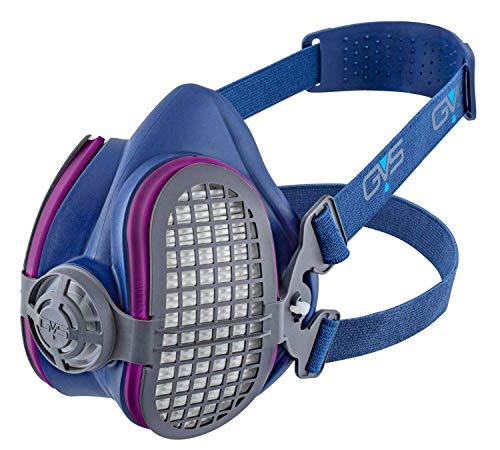
When you’re dealing with raw, dusty wool or cleaning out a stash of vintage, unwashed fleece, a standard N95 might not be enough. The GVS Elipse uses P100 filters, which capture even the finest particulate matter that standard masks might miss.
This is a professional-grade piece of equipment that fits low on the face, ensuring it doesn’t interfere with your line of sight. It’s perfect for those who do a lot of heavy-duty fiber preparation, like carding or combing, where dust clouds are inevitable.
It is an investment, but it’s worth it if you suffer from fiber-induced allergies. Just remember, it’s heavier than a disposable mask, so it’s best reserved for intense processing days rather than casual knitting.
Cambridge Mask PRO: Best Reusable Fabric Option

For the knitter who wants a balance between aesthetics and protection, the Cambridge Mask PRO is a solid contender. It uses military-grade carbon filtration, which is excellent for trapping fine fibers and odors.
Because it’s reusable, you aren’t constantly throwing away disposables, which feels a bit more sustainable in a craft centered on longevity. The adjustable ear loops allow for a custom fit, which is crucial for preventing gaps around the nose and cheeks.
Keep in mind that while it’s more comfortable than a medical mask, it does require regular cleaning. It’s a great choice for everyday use, especially if you’re knitting in a public space or a guild meeting.
3M 8210 N95: Best Budget-Friendly Bulk Option

The 3M 8210 is the classic, no-nonsense mask you see in most workshops. It is a simple, effective, and extremely affordable way to ensure you have a fresh mask for every fiber-heavy project.
It’s not as "fancy" as the Aura, and it lacks the plush nose foam, but it gets the job done. If you’re going through a lot of masks while prepping fibers, this is the most economical way to keep your supply stocked.
The main drawback is that it can feel a bit basic. If you have a smaller face, you might find the fit a bit loose, so ensure you perform a seal check every time you put it on.
Moldex 2200 Series N95: Best for Long Sessions

The Moldex 2200 features a unique "dura-mesh" shell that prevents the mask from collapsing, even when it gets humid from your breath. This is a huge advantage if you’re working in a humid environment or have a long day of fiber prep ahead.
The contour molded design fits most face shapes well without requiring a metal nose clip that digs into your skin. It feels sturdy and reliable, acting as a solid barrier against even the most persistent fiber dust.
Because it is so durable, it can feel a bit stiffer than other options. It’s a workhorse mask designed for long, productive hours, making it ideal for those deep-dive fiber projects.
Kimberly-Clark N95 Pouch: Best Breathability
The pouch design of the Kimberly-Clark N95 creates a large internal space, making it feel much less claustrophobic than traditional cup-style masks. If you struggle with the sensation of fabric touching your lips, this is the solution.
It is surprisingly lightweight and breathable, which helps keep your face cool while you’re focusing on intricate lace or stranded colorwork. It’s easy to talk through, which makes it perfect for workshops or teaching.
The downside is that the material is quite thin. It’s excellent for breathability, but it might not feel as "secure" as the heavier-duty 3M options.
Why Fiber Dust Protection Matters for Knitters
Fiber dust, or "fluff," is more than just a nuisance; it’s a respiratory irritant. When we process raw wool, alpaca, or even some synthetics, we release microscopic particles that can trigger asthma or chronic irritation.
Over twenty years, I’ve seen many knitters develop sensitivities to fibers they once loved. Protecting your lungs early on ensures you can keep knitting for decades without developing a persistent cough or allergic reaction.
Think of a mask as an essential tool, just like your favorite set of needles or your trusty swift. It keeps your workspace clean and your health prioritized, allowing you to enjoy the tactile joy of fiber without the side effects.
Essential Features to Look for in Fiber Masks
When choosing a mask, prioritize fit over everything else. A mask that doesn’t seal against your skin is essentially useless, as dust will simply bypass the filter.
- Adjustable Nose Bridge: Essential for preventing gaps and stopping glasses from fogging.
- Filtration Rating: Look for N95 or P100 ratings to ensure you’re blocking small particles.
- Comfortable Straps: You’ll be wearing this for hours; ensure the straps don’t pull on your ears or hair.
- Durability: The mask should hold its shape and not collapse when you inhale deeply.
Never rely on a simple cloth mask or a bandana; they simply don’t have the filtration capabilities to stop fine fiber dust. Always look for certifications that guarantee the mask is doing its job.
How to Properly Fit Your Mask for Best Results
A proper fit starts with a clean face, free of lotions that might prevent the mask from sealing. Place the mask over your nose and mouth, then pull the straps over your head or ears to secure it firmly.
Use both hands to press the nose clip down firmly against the bridge of your nose. If you only use one hand, you’ll likely create a gap on one side, which defeats the purpose of the seal.
Finally, perform a "seal check" by inhaling sharply; the mask should pull inward toward your face. If you feel air rushing in around the edges, adjust your straps or the nose clip until the seal is airtight.
Taking care of your respiratory health is the ultimate act of self-care for any dedicated fiber artist. By choosing the right mask, you ensure that your passion for knitting remains a healthy, lifelong pursuit. Don’t wait until you’re already feeling the irritation to start protecting yourself from fiber dust. Stay safe, stay comfortable, and keep those needles clicking.