6 Best Oiling Kits For Machine Longevity To Use
Extend your equipment’s lifespan with our top six oiling kits. Learn how proper lubrication prevents wear and ensures peak performance for your machinery.
Whether you are working on a heavy wool blanket or delicate lace, your machine is the silent partner that keeps your fiber arts practice moving. A well-oiled machine runs quietly, preventing the friction that leads to dropped stitches and uneven tension. Neglecting maintenance is the quickest way to turn a meditative knitting session into a frustrating battle with mechanical drag. These six oiling kits are the industry standards for keeping your equipment in peak condition.
Singer All-Purpose Machine Oil: Best Overall Pick
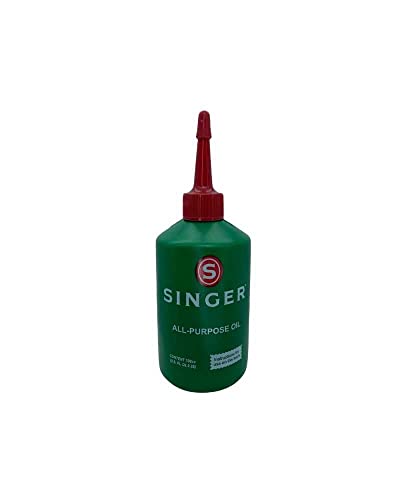

If you walk into any dedicated sewing or knitting machine repair shop, you will likely see a bottle of Singer oil on the workbench. It is the gold standard for a reason—it is a clear, non-gumming mineral oil that works reliably across almost every brand of machine.
For those of us who spend hours working on intricate projects, consistency is everything. This oil provides a stable, light viscosity that doesn’t attract lint or dust, which is vital when you are working with shedding fibers like mohair or alpaca.
The bottom line: If you want one reliable bottle that does the job without any guesswork, this is your go-to. It is the safe, predictable choice for the vast majority of machines.
Zoom-Spout Turbine Oil for Precision Oiling

Precision is the difference between a smooth-running machine and one that leaves oil spots on your delicate hand-dyed yarns. The Zoom-Spout is a game-changer because of its telescoping nozzle, which allows you to reach deep into tight, recessed internal parts.

If you have ever struggled to get a drop of oil into a hard-to-reach pivot point, you know the frustration of using a standard bottle. This design eliminates the mess and ensures that the lubricant goes exactly where it is needed—on the metal-to-metal contact points—and nowhere else.
The bottom line: Choose this if your machine has a complex interior layout or if you are tired of making a mess during your monthly maintenance routine.
Liberty Oil Synthetic Lubricant for Smoothness

Synthetic lubricants offer a level of longevity that traditional mineral oils simply cannot match. Liberty Oil is exceptionally thin and designed to stay in place, which means you don’t have to oil your machine as frequently as you would with standard alternatives.
Because it is synthetic, it resists oxidation and doesn’t yellow or get tacky over time. This is particularly important for machines that sit idle for a few weeks between projects, as it prevents that "stuck" feeling when you first start up again.
The bottom line: It is a slightly higher investment, but the performance is superior for those who want a long-lasting, high-performance lubricant that won’t gum up internal gears.
Sewing Machine Oil by Opall: Budget Friendly
When you are just starting your journey into machine-assisted fiber arts, you don’t need to overspend on specialized gear to keep your machine running. Opall provides a straightforward, effective lubricant that gets the job done at a price point that leaves more room in your budget for high-quality yarn.
While it lacks the fancy applicator of more expensive brands, it performs perfectly well for standard maintenance. It is a no-frills product that understands that the most important thing is simply having a clean, lubricated machine.
The bottom line: Perfect for the beginner or the hobbyist who wants to keep their maintenance costs low without sacrificing machine health.
Dritz Machine Oil for Standard Maintenance

Dritz is a staple in the sewing and knitting notion world for a reason: they understand the needs of the home crafter. Their machine oil is designed specifically for the occasional user who needs to perform standard, routine maintenance.
It is a lightweight mineral oil that is easy to find and easy to use. It doesn’t have the high-tech additives of synthetic oils, but it is more than sufficient for the wear-and-tear experienced during a typical knitting or sewing project.
The bottom line: This is a reliable, accessible choice for standard, everyday maintenance that you can pick up at almost any local craft store.
Groz-Beckert Needle Oil for High-Speed Use

Groz-Beckert is a name synonymous with precision needles, and their oil is formulated to handle the heat and friction of high-speed mechanical work. If you are running a machine for long, continuous hours, this oil provides an extra layer of protection against heat buildup.
High-speed operation can cause standard oils to thin out too much, but this formula maintains its integrity under pressure. It ensures that the needle bar and other high-friction components move with fluid ease, preventing the heat that can damage delicate machinery.
The bottom line: Use this if you are a power user who puts your equipment through heavy, long-term use.
Why Regular Oiling Extends Machine Lifespan
A machine is a system of interlocking metal parts that rely on a thin film of oil to glide past one another. Without that film, metal grinds against metal, creating microscopic burrs that eventually lead to catastrophic mechanical failure.
Regular oiling reduces the load on your machine’s motor, which keeps it running cooler and quieter. When your machine runs smoothly, your tension remains consistent, which is the secret to getting that professional, even stitch quality in all your fiber projects.
- Prevents rust: Oil creates a barrier against humidity.
- Reduces noise: A well-oiled machine purrs rather than rattles.
- Lowers power consumption: Less friction means the motor works less.
Identifying Key Lubrication Points on Machines
Every machine comes with a manual, and that manual is your best friend when it comes to locating oiling points. Generally, you want to focus on the points where metal moves against metal, such as the needle bar, the bobbin case area, and the main drive shafts.
Avoid the temptation to oil every single moving part you see. Over-oiling is just as dangerous as under-oiling, as excess oil will attract dust and fiber lint, creating a sludge that can actually jam your machine.
- Check the manual: Always follow the specific diagrams provided by the manufacturer.
- Use sparingly: One or two drops are usually more than enough.
- Wipe away excess: Always clean up any oil that spills onto the housing or work area.
Essential Tips for Safe Machine Maintenance
Safety in maintenance is about protecting both the machine and the integrity of your yarn. Always unplug your machine before you start oiling to ensure there is no risk of accidental activation.
Before you begin, use a small brush or compressed air to remove any dust or lint from the area you intend to oil. If you oil over lint, you are essentially creating a paste that will clog your machine’s internal mechanisms.
- Test on a scrap: After oiling, run your machine on a piece of scrap fabric to catch any stray droplets.
- Schedule it: Make oiling a habit, perhaps every time you finish a major project or every 10–20 hours of use.
- Keep it clean: Never use household oils like WD-40 or cooking oil, as they will gum up your machine permanently.
Frequently Asked Questions About Oiling Kits
How often should I oil my machine? It depends on usage, but a good rule of thumb is once a month or after every 20 hours of operation. If your machine sounds louder than usual, it is time for a drop of oil.
Can I use the same oil for my knitting machine and my sewing machine? Generally, yes, as long as it is a high-quality, clear machine oil. However, always refer to the specific maintenance guide for your knitting machine, as they can be more sensitive to oil viscosity.
What should I do if I accidentally get oil on my yarn? Act quickly by using a mild dish soap or a specialized fiber-safe spot cleaner. Do not let it set, as oil can permanently stain natural fibers like wool or silk if left to penetrate the fibers.
Maintaining your machine is a small investment of time that pays massive dividends in the quality and longevity of your fiber arts projects. By choosing the right oil and sticking to a consistent maintenance schedule, you ensure that your tools are ready whenever inspiration strikes. Treat your machine with care, and it will continue to help you create beautiful, professional-grade work for years to come.