6 Best Drying Clips For Organized Fiber Hanging
Discover the 6 best drying clips for organized fiber hanging. Learn how these essential tools prevent tangles and ensure efficient, uniform air-drying results.
Proper fiber care is the unsung hero of a finished project, transforming a limp, uneven garment into a professional-looking piece of knitwear. Many knitters spend weeks on a sweater only to ruin the drape by using improper drying methods that stretch or distort the stitches. Choosing the right clips and hanging techniques ensures your hard work maintains its intended shape and structure. This guide breaks down the best tools to keep your hand-knits pristine from the wash basin to the closet.
E-Z Grip Stainless Steel Clips: Best Overall Pick


Stainless steel clips are the gold standard for long-term fiber care because they resist rust, which is the mortal enemy of wet wool. Unlike cheap metal clips that can corrode over time, high-quality stainless steel remains inert, ensuring no metallic residue transfers to your precious hand-dyed yarns.
These clips offer a consistent, reliable tension that holds the weight of a damp garment without slipping. They are particularly effective for securing heavier items like wool cardigans or cabled pullovers to a drying rack.
The trade-off here is the strength of the spring. If you are working with delicate lace, you must be careful not to let the clip snap shut too aggressively on the fiber.
Clover Wonder Clips: Best for Delicate Knits
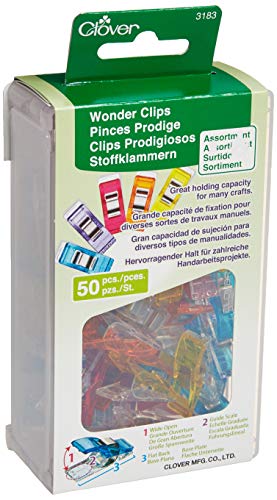
Clover Wonder Clips were originally designed for quilting, but they have become a secret weapon for knitters handling fine-gauge garments. Their flat base and rounded plastic edges make them incredibly gentle on fibers that would otherwise be prone to snagging or distortion.
If you are blocking a fine silk or alpaca shawl, these clips provide a secure hold without the sharp teeth found on traditional laundry pegs. They are perfect for pinning edges to blocking mats or securing folded sections of a garment while it dries.
Because they are made of smooth plastic, they won’t leave the deep, permanent indentations that metal clips often cause. For delicate, high-twist yarns, these are your safest bet.
Command Large Utility Hooks: Best Wall Mounting
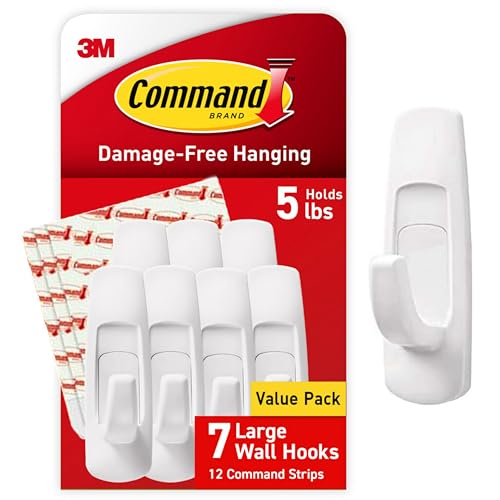
When you lack floor space for a bulky drying rack, Command hooks allow you to utilize vertical surface area for air-drying. These are excellent for hanging sweaters vertically, provided you use a mesh sweater dryer or a specialized hanger to distribute the weight.
The key to using these is ensuring the surface is clean and dry before application. They provide a sturdy, semi-permanent solution for knitters living in small apartments or shared spaces.
Be mindful that these are adhesive-backed, so test them on your wall paint first. They are best used for lighter-weight garments; for a heavy, water-logged wool sweater, you should always opt for floor-based drying to prevent gravity from stretching the shoulder seams.
Gorilla Heavy Duty Spring Clamps: Best for Weight

Sometimes, you need serious mechanical advantage to keep a heavy, wet garment in place. Gorilla spring clamps offer a rubberized grip that provides superior friction, ensuring that even the heaviest, water-saturated wool doesn’t slide off your drying rack.
These are overkill for a simple scarf, but they are essential when you are dealing with large-scale projects like blankets or heavy fisherman’s sweaters. The rubber pads act as a buffer, protecting the yarn from the raw metal or plastic of the clamp body.
The main consideration is the size of the clamp. They are bulky, so they can be cumbersome if you are trying to maneuver them in tight spaces. Use these only when you need maximum holding power for substantial fiber projects.
IKEA BÄSTIS Wall Hooks: Best Budget Solution

Simplicity is often the best approach for a home studio, and these wall hooks offer an affordable way to organize your drying space. They are unobtrusive and can be mounted exactly where you need them to create a custom hanging station.
These are best used in conjunction with "sock blockers" or specialized garment hangers. By mounting them at varying heights, you can create a drying system that accommodates everything from small baby booties to full-length scarves.
Because they are made of durable, smooth plastic, they are gentle on your hands and your yarn. They aren’t designed to support the full weight of a wet sweater directly, so always pair them with a proper support structure.
Whitmor Plastic Laundry Clips: Best for Drying

Whitmor plastic clips are the classic, reliable choice for everyday drying tasks. They are lightweight, inexpensive, and easy to clean, making them a staple for any laundry room setup.
These are ideal for securing smaller items like socks, mittens, or light cotton summer tops. The plastic construction ensures that they won’t rust, and the rounded tips are generally safe for most sturdy wool or acrylic blends.
However, they can be brittle over time if exposed to harsh sunlight. If you notice a clip starting to show stress marks, replace it immediately to prevent it from snapping and potentially snagging your yarn.
Why Proper Drying Clips Protect Your Fiber Shape
Fiber memory is a real phenomenon in knitting, and how you dry a garment dictates how it will "remember" its shape. If you hang a damp sweater by the shoulders, the weight of the water will pull the stitches, leading to elongated necklines and saggy seams.
Proper clips allow you to secure garments in a way that distributes tension evenly across the fabric. By using clips to hold a garment flat or to secure it to a mesh screen, you prevent the fibers from being pulled out of their intended gauge.
- Avoid stretching: Always support the full body weight of the garment.
- Maintain stitch pattern: Clips help keep cables and lace motifs open and defined.
- Prevent sagging: Proper clipping prevents the "gravity effect" on shoulder and sleeve seams.
How to Prevent Clip Marks on Wet Hand Knits
Clip marks occur when the pressure of the clamp compresses the fibers, leaving a permanent indentation or a "crimp" in the yarn. This is especially problematic with soft, lofty fibers like mohair or cashmere.
To prevent this, always place a small piece of scrap fabric or a folded paper towel between the clip and your knit. This simple buffer distributes the pressure over a larger surface area, mitigating the risk of a lasting mark.
Additionally, try to clip your garment on the seams or edges where the fabric is doubled or reinforced. Avoid clipping in the center of a plain stockinette panel, where any distortion will be immediately visible to the eye.
Best Hanging Techniques for Heavy Wool Sweaters
Heavy wool sweaters should ideally be dried flat, but if you must hang them, you need to use a "towel-hammock" technique. Drape a large, dry towel over a sturdy hanger or a drying rack bar, then lay the sweater over the towel.
This technique uses the towel to absorb excess moisture while the hanger provides the structure. The towel acts as a bridge, preventing the hanger’s sharp edges from creating pressure points in the shoulders.
If you don’t have a towel, use a padded hanger designed for knitwear. These hangers have wide, rounded shoulders that mimic the human form, providing the support your sweater needs to keep its shape while it dries.
Essential Tools for Blocking and Fiber Care
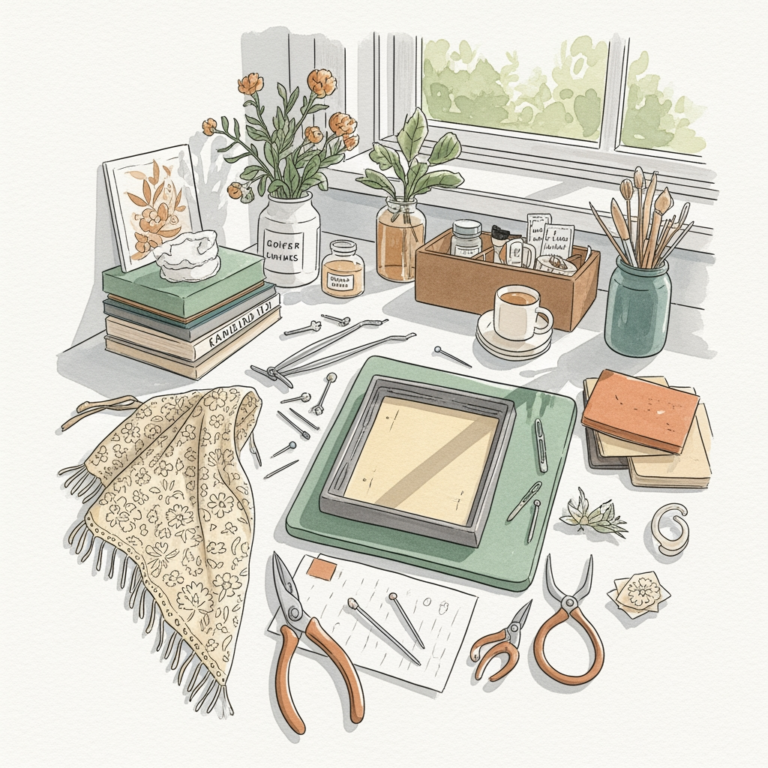
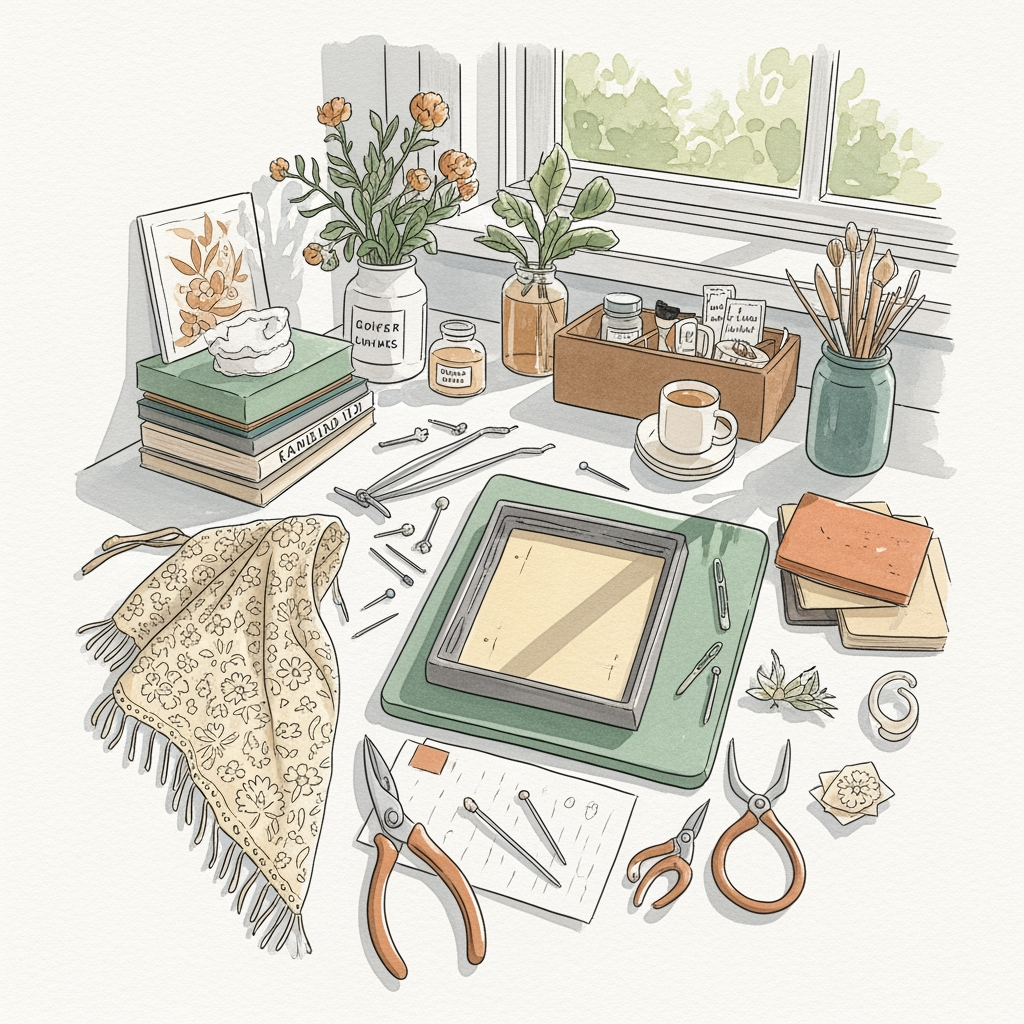
Beyond clips, a well-stocked blocking kit is essential for any serious knitter. You should have a set of rust-proof T-pins, a roll of blocking wires for straight edges, and a high-quality wool wash that doesn’t require rinsing.
- Blocking Mats: Interlocking foam mats are the best surface for pinning.
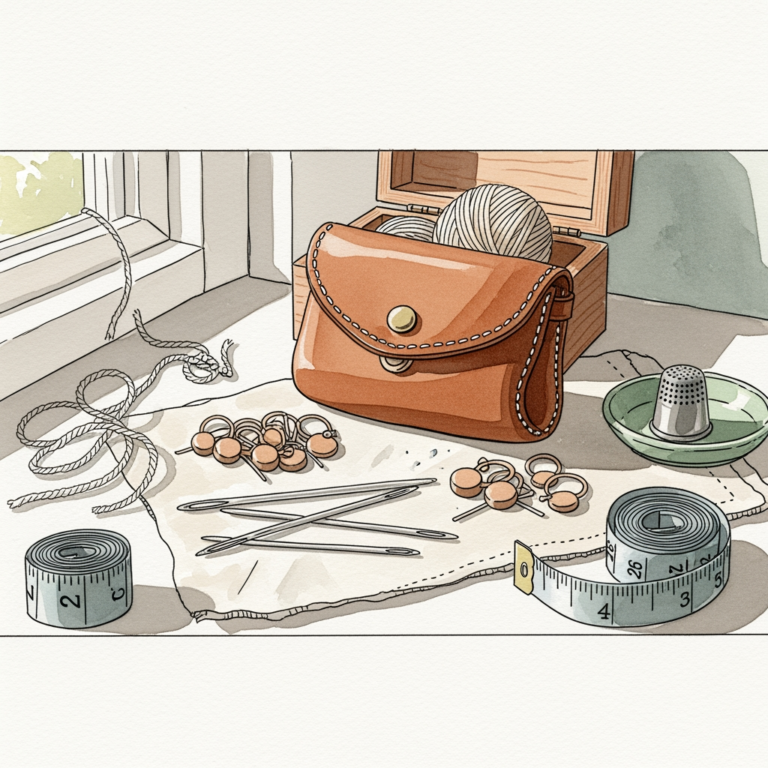
- Rust-proof T-pins: Essential for securing lace points.
- Mesh Drying Rack: The safest way to dry heavy items without stretching.
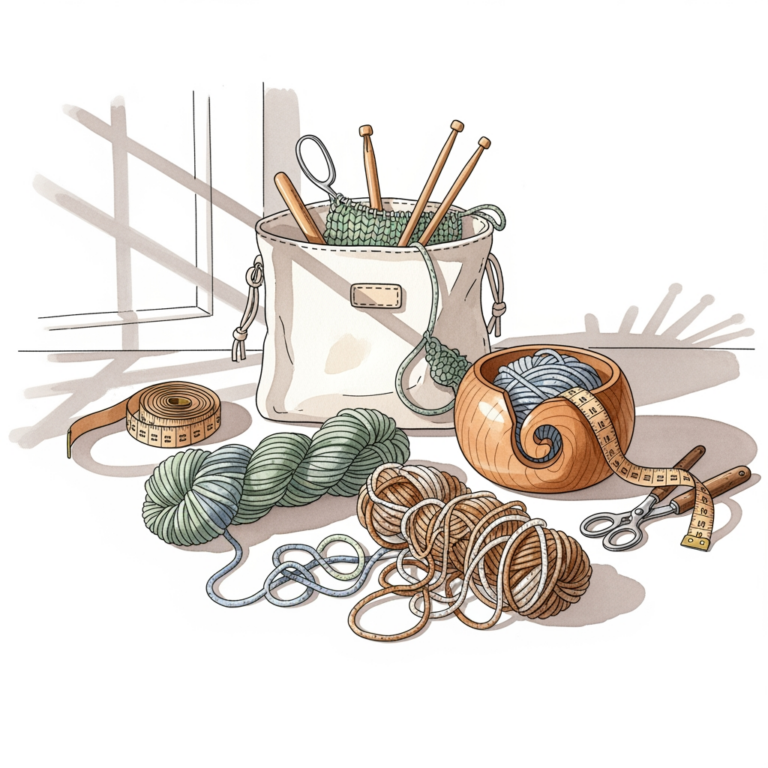
- Measuring Tape: Always measure your garment against the pattern schematics before and during the blocking process.
Investing in the right drying clips and tools is an investment in the longevity of your hand-knits. By choosing stainless steel for durability, plastic for delicacy, and proper hanging techniques, you ensure that your projects remain as beautiful as they were the moment you finished your final bind-off. Treat your fibers with care, and they will reward you with years of wear. Happy knitting, and may your blocking sessions always be successful.