6 Best Wooden Buttons For Finishing Cardigans To Try
Elevate your knitwear with our guide to the six best wooden buttons. Discover durable, stylish options that provide the perfect finish for your cardigans.
Choosing the right buttons is the final, crucial step that transforms a handmade garment into a professional-looking heirloom. A well-chosen wooden button adds a tactile warmth and organic elegance that plastic simply cannot replicate. Over the years, I have learned that the hardware you select is just as important as the yarn weight or the stitch pattern you choose. Let’s explore the best wooden options to ensure your next cardigan is finished to perfection.
Cocoknits Natural Bamboo Buttons: Best Overall


Cocoknits has mastered the art of minimalism, and their bamboo buttons are a testament to that philosophy. They are lightweight, smooth, and possess a neutral aesthetic that pairs effortlessly with almost any fiber, from rustic wool to sleek alpaca.
Because bamboo is a fast-growing, sustainable grass, these buttons are incredibly consistent in shape and size. They won’t weigh down your button band, which is a common issue when using heavy metal or dense resin buttons on lighter-weight fingering or sport-weight yarns.
The key advantage here is their versatility. If you are knitting a classic, everyday cardigan, these are my go-to choice because they don’t distract from the stitch definition of your cable work or lace.
Katrinkles Laser-Etched Birch Wood Buttons
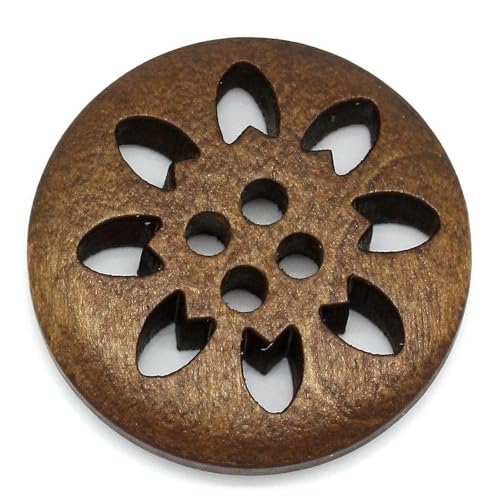
If you want your garment to tell a story, Katrinkles offers the most personality in the industry. These birch buttons are laser-etched with intricate designs, ranging from geometric patterns to whimsical motifs, making them perfect for children’s knits or statement sweaters.
Birch is a harder wood than bamboo, which means these buttons hold a crisp edge even after years of wear. The etching provides a slight texture that acts as a subtle grip, ensuring the button stays firmly in place within the buttonhole.
However, be mindful of the etching depth if you plan on machine washing your knitwear. While they are durable, they require a bit more care to prevent the intricate grooves from snagging on delicate fibers over time.
Dill Handcrafted Olive Wood Toggle Buttons

Toggles are the unsung heroes of the cardigan world, especially for heavy, chunky-knit sweaters. Olive wood is prized for its beautiful, swirling grain patterns, ensuring that no two buttons in your set will look exactly the same.
The elongated shape of a toggle provides a larger surface area for closure, which is essential if your cardigan has a deep V-neck or a heavy shawl collar. They distribute the tension of the garment more evenly than a standard round button.
When using toggles, always ensure your buttonholes are reinforced with a bit of extra yarn or a crochet chain. Because they are longer, they exert more pressure on the fabric, and you don’t want your beautiful work to stretch out of shape.
ButtonMad Polished Hardwood Floral Buttons

When you are working on a feminine, delicate cardigan, you need a button that complements the drape rather than fighting it. ButtonMad’s polished hardwoods often feature intricate floral carvings that add a vintage, artisanal flair to your finished project.
The polishing process on these buttons creates a glass-like finish that glides easily through buttonholes. This is a massive benefit if your buttonholes are slightly snug or if you are using a sticky, high-twist wool that tends to catch on rougher surfaces.
Keep in mind that these are often thicker than standard buttons. If you are knitting a very fine gauge, you may need to adjust your buttonhole placement to accommodate the added depth of the wood.
Taylor Made Custom Engraved Walnut Buttons
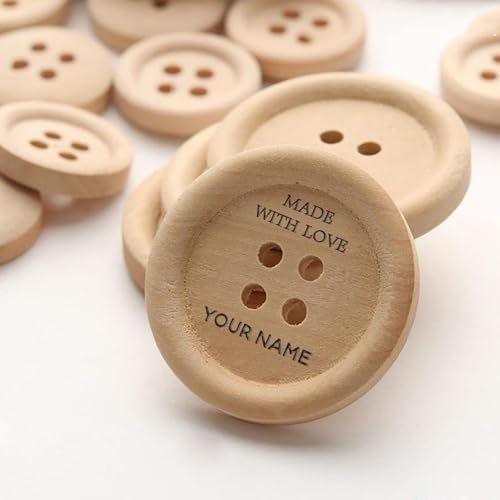
Walnut is a dense, dark, and sophisticated wood that screams luxury. Taylor Made offers custom engraving, which is the perfect way to finish a gift or a project you’ve spent months perfecting with a personalized touch.
The deep color of walnut provides a stunning contrast against lighter-colored yarns like cream, oat, or pale pastels. It turns a simple button band into a high-end design feature that looks like it came straight from a boutique.
Because walnut is a harder wood, these buttons are exceptionally durable and resistant to splitting. They are an investment piece, so save them for your most labor-intensive garments that deserve a truly premium finish.
Dress It Up Rustic Reclaimed Timber Buttons

Sometimes, the best aesthetic is one that feels grounded and earthy. Reclaimed timber buttons have a raw, matte finish that highlights the natural imperfections and knots of the wood, making them ideal for oversized, rustic cardigans.
These buttons often feature a more irregular shape, which adds to the "hand-finished" appeal. They pair beautifully with hand-dyed, kettle-spun yarns where the texture of the fiber is the main attraction.
Just be aware that because these are reclaimed, they may have slight variations in thickness. I recommend laying them out on your button band before sewing to ensure the visual weight is balanced across the entire front of the cardigan.
How to Select the Perfect Size for Cardigans
Selecting the right size is a balance between functionality and scale. A button that is too large will stretch your buttonholes and cause the band to gap, while a button that is too small will constantly pop open during wear.
As a rule of thumb, your button should be roughly 1/8th to 1/4th of an inch larger than the buttonhole itself. Always perform a "test drive" by pushing the button through the hole before you sew it onto the garment.
If you are working with a thick yarn, remember that the buttonhole will naturally be tighter. Don’t be afraid to size down slightly to allow for the bulk of the fabric, or you will end up with a button band that refuses to lay flat.
Matching Wood Tones to Your Fiber Content
The color theory of buttons is often overlooked, but it can make or break the final look. For cool-toned fibers like blues, greys, or purples, look for woods with cooler undertones or darker stains like walnut.
For warm-toned fibers—think yellows, oranges, or earthy reds—bamboo and olive wood are your best friends. They harmonize with the natural warmth of the wool rather than competing with it.
If you are working with a multi-colored or variegated yarn, stick to a neutral wood with a simple grain. Your yarn is already doing the heavy lifting visually, and a simple button will provide the necessary anchor to keep the design balanced.
Essential Tips for Securing Wooden Buttons
The way you attach a button is just as important as the button itself. Never sew a button directly against the fabric; always create a "shank" by wrapping your thread around the base of the button several times.
This shank creates the necessary space for the fabric of the buttonhole to sit comfortably behind the button. Without it, your button will pull at the fabric, causing unsightly puckering and putting unnecessary stress on your stitches.
I also recommend using a strong, non-stretchy thread or a fine, smooth yarn that matches your project. If you are sewing onto a heavy garment, consider using a bit of clear nail polish on the knot to ensure it stays secure through years of use.
Caring for Natural Wood Buttons After Washing
Wood is a natural, porous material that reacts to moisture and heat. If you are hand-washing your cardigan, try to keep the buttons out of the water as much as possible, or dry them immediately with a soft cloth after washing.
Avoid soaking wooden buttons for extended periods, as they can swell or lose their finish. If you notice them looking a bit dull over time, a tiny drop of food-grade mineral oil rubbed into the wood will restore their luster and keep them from drying out.
If you must machine wash your garment, always turn it inside out and place it in a zippered mesh laundry bag. This prevents the buttons from banging against the drum of the washer, which can chip the wood or snag your beautiful hand-knitted stitches.
Finding the perfect wooden button is a rewarding process that honors the time you spent at your needles. Whether you choose the sleek finish of bamboo or the rustic charm of reclaimed timber, your choice will define the character of your cardigan for years to come. Take your time, consider the weight of your yarn, and enjoy the satisfaction of that final, perfect detail. Happy knitting, and may your buttonholes always be the perfect size.