6 Best Wooden Yarn Bowls For Heavy Projects To Try
Struggling with heavy yarn tangles? Explore our top 6 wooden yarn bowl picks, designed for stability, smooth tension, and durability for your largest projects.
When you are deep into a heavy blanket or a chunky sweater project, there is nothing more frustrating than your yarn ball dancing across the room. A stable, heavy wooden yarn bowl acts as a reliable anchor, keeping your tension consistent and your yarn clean. These six bowls are specifically chosen for their weight and stability, ensuring they stay put even when you are pulling from a massive cake of wool. Investing in the right tool saves you from the constant annoyance of chasing runaway yarn.
Nagina International Sheesham Wood Yarn Bowl


Sheesham wood is renowned for its density and striking, deep grain patterns. Because this wood is naturally heavy, it provides a solid foundation that resists tipping even when you are working with thick, bulky weight yarns.
The finish on these bowls is usually quite smooth, which is vital for preventing snagging. If you are working with a delicate single-ply yarn, you need a surface that won’t catch on the fibers and cause pilling.
This bowl is a workhorse for those who knit with heavy, rustic wools that tend to have a bit of friction. It offers a classic, sturdy aesthetic that looks beautiful on any coffee table.
Yarn Valet Hand-Carved Rosewood Yarn Bowl

Rosewood is an exceptionally dense hardwood, making it one of the best materials for a yarn bowl that needs to stay grounded. The weight of this bowl is its greatest asset, as it prevents sliding on slick surfaces like glass or polished wood tables.
The hand-carved spiral cutout is designed to hold your yarn securely while you work. If you are doing colorwork and need to keep two strands separate, the width of the opening allows for easy movement without tangling.
Keep in mind that the dark, rich tones of rosewood are stunning, but they can make it harder to see dark-colored yarns. If you often knit with navy or charcoal wool, you might want to consider a lighter-toned wood bowl instead.
Cox Creations Large Wooden Yarn Bowl
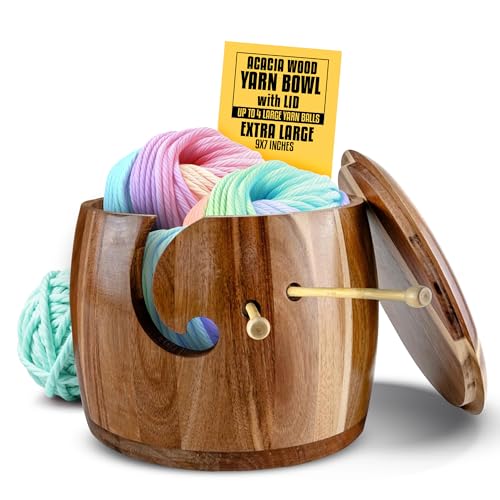
When you are working on a massive project like a king-sized afghan, a standard-sized bowl simply won’t hold the required yardage. This bowl is specifically crafted to be oversized, accommodating large cakes or balls without overflowing.
The extra mass of this bowl is a functional necessity rather than just a design choice. A larger bowl needs more weight at the base to ensure it doesn’t wobble when you pull a long length of yarn from the center of a cake.
It is an ideal choice for knitters who prefer to wind their yarn into "center-pull" cakes. The stability ensures that even as the cake gets smaller and lighter, the bowl remains firmly in place.
KnitPal Premium Walnut Wood Yarn Bowl

Walnut is a fantastic choice for those who want a blend of elegance and utility. It is heavy enough to remain stable, but it often features a slightly more refined, polished look than some of the more rustic, hand-carved options.
The interior of this bowl is typically sanded to a high sheen, which is perfect for slippery yarns like alpaca or silk blends. When your yarn glides effortlessly, your hands don’t have to work as hard to maintain even tension.
This bowl is a great "investment piece" for your knitting nook. It is durable, beautiful, and provides the consistent, steady performance needed for long-term projects.
Mr. Wool Artisan Mango Wood Yarn Bowl
Mango wood is a sustainable, medium-density hardwood that offers a unique, light-colored aesthetic. While it may be slightly lighter than rosewood, it is still substantial enough for most medium-weight projects.
The artisan nature of these bowls means each one has a slightly different grain pattern and weight distribution. I recommend checking the specific weight if you are planning to use it for very heavy, chunky yarns.
It is a wonderful option for knitters who appreciate the intersection of sustainability and craft. It provides a warm, organic feel to your knitting space that complements natural fibers perfectly.
Darn Good Yarn Hand-Turned Teak Bowl

Teak is naturally oily and incredibly durable, making it a long-lasting choice for a tool you will use daily. The weight of teak is significant, offering excellent stability for those who knit with a vigorous tug.
Because of the natural oils in the wood, these bowls often have a very smooth, snag-free surface. This is particularly helpful when working with mohair or other fuzzy fibers that tend to cling to rougher surfaces.
This bowl serves as a reliable anchor for complex projects like lace shawls, where consistent tension is the difference between a beautiful result and a lopsided mess. It is a solid, dependable piece that will likely last for decades.
Why Weight Matters for Heavy Knitting Projects
When you are working with heavy, bulky yarns, the physical pull on the yarn ball is much greater than with lace weight. A light bowl will be dragged across the table every time you pull a new length of yarn.
- Center-pull cakes: These can collapse or "tumble" if the bowl isn’t heavy enough to withstand the tug.
- Tension consistency: If your bowl keeps moving, your concentration breaks, and your hand tension often fluctuates.
- Surface grip: Heavier bowls usually have a wider base, which provides more surface area contact and inherent stability.
Bottom line: The heavier the project, the heavier your bowl needs to be. Do not sacrifice weight for aesthetics if you are a high-tension knitter.
Wood vs Ceramic Bowls: Which Suits Your Style
Ceramic bowls are often heavier than wooden ones, which is a major advantage for stability. However, they are fragile; if you drop a heavy ceramic bowl on a hardwood floor, it will likely shatter.
Wooden bowls offer a "warm" touch that feels better in the hand and is much more durable. They won’t crack if they take a tumble, though they can get scratched if you aren’t careful with your needles.
- Choose Ceramic: If you want maximum weight and don’t mind the risk of breakage.
- Choose Wood: If you want a long-lasting, portable tool that won’t shatter.
Ultimately, wood is the better choice for the "knitter on the go" who takes their projects to cafes or knitting groups.
Essential Features for Stable Yarn Bowls

A good yarn bowl isn’t just a container; it is a tool with specific engineering. The most important feature is the "spiral" or "cutout" that guides the yarn.
- Smooth edges: Ensure the opening is sanded perfectly smooth to avoid fraying your yarn.
- Wide base: A wider base is almost always more stable than a tall, narrow one.
- Weight distribution: The center of gravity should be low, keeping the bowl from tipping over.
Avoid bowls with sharp, decorative edges near the yarn exit. These are "snag traps" that will eventually ruin your yarn and your mood.
How to Maintain Your Wooden Knitting Tools
Wood is a natural material that can dry out or crack if neglected. Every few months, I recommend rubbing a little bit of food-safe mineral oil or beeswax into the wood to keep it supple.
Avoid leaving your wooden bowl in direct sunlight or near a radiator, as the heat can cause the wood to warp or split. A quick wipe with a soft cloth after use is usually enough to keep it clean.
Treat your bowl as a partner in your craft. If you care for the wood, it will remain a smooth, snag-free, and stable companion for your largest and most ambitious projects.
Finding the right yarn bowl is about balancing the weight of your materials with the stability of your workspace. Whether you choose the density of rosewood or the sustainability of mango, prioritize a smooth finish and a wide, heavy base. These tools are meant to be used for a lifetime, so pick one that feels right in your hands and matches your knitting pace. Happy knitting, and may your yarn always flow freely and stay exactly where you put it.