6 Best Scale Weights For Consistent Fiber Measuring
Achieving precise fiber measurements is essential for quality control. Discover the 6 best scale weights to ensure consistent, reliable results every time.
Every knitter knows the sinking feeling of running out of yarn just a few stitches before binding off a sleeve. Precision weighing is the only way to ensure your precious hand-dyed skeins are used to their absolute maximum potential. By measuring your yarn in grams, you can eliminate guesswork and manage your stash with total confidence. Here are the best tools to help you master your yarn inventory and finish every project with ease.
Jennings CJ4000: Best Overall Precision Scale


If you are a serious sweater knitter who frequently works with large quantities of yarn, the Jennings CJ4000 is the gold standard. Its high capacity and exceptional sensitivity allow you to weigh everything from a single sock blank to a massive, multi-skein afghan.
The standout feature here is the consistent accuracy, even when dealing with heavier loads. Many kitchen scales struggle when you place a bulky, heavy sweater on the tray, but this model remains steady.
It is a bit of an investment, but for those who design their own patterns or frequently modify commercial ones, it is worth every penny. You won’t have to worry about "drift" while your yarn is sitting on the scale.
My Weigh iBalance 201: Best for Large Skeins

When you are working with luxury fibers like heavy-weight wool or bulky alpaca, you need a scale that doesn’t buckle under the pressure. The My Weigh iBalance 201 offers a large, flat platform that keeps your yarn stable and centered.
The high-resolution sensor is particularly useful when you are trying to divide a 100-gram skein into two exact 50-gram balls for matching socks. It handles the nuances of weight distribution better than most compact digital scales.
While it takes up a bit more room on your crafting table, the stability it provides is unmatched. If you are prone to dropping your yarn off the scale while trying to read the display, this wider footprint will save your sanity.
American Weigh Scales Blade: Best Portable Pick
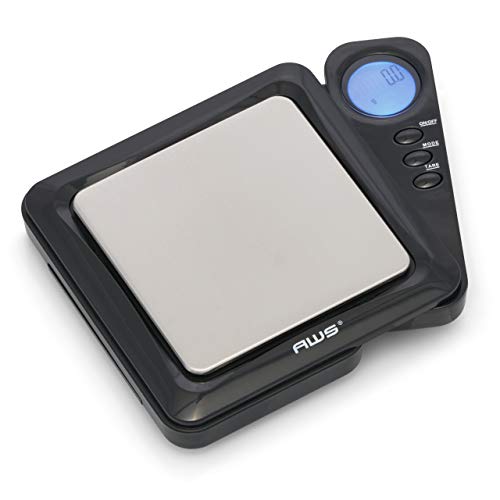
For the knitter who loves to knit at coffee shops, retreats, or on the train, the American Weigh Scales Blade is a perfect companion. It is slim enough to slide into your project bag right next to your circular needles.
The folding design protects the sensor from accidental damage during travel. Even though it is small, it is surprisingly precise, making it perfect for checking the weight of a single skein of lace-weight mohair before you start a project.
Keep in mind that its small surface area makes it less ideal for weighing massive sweaters. However, for on-the-go stash management and weighing leftovers, it is the most convenient tool in the game.
Etekcity Digital Kitchen Scale: Best Value Buy

If you are a beginner knitter who just wants to track how much yarn you have left after a project, the Etekcity scale is a fantastic entry point. It is affordable, reliable, and incredibly simple to operate.
It lacks some of the hyper-precision of professional-grade scales, but for standard knitting needs, it is more than sufficient. You don’t need a laboratory-grade instrument to tell you that you have 15 grams of yarn remaining for your bind-off.
The sleek, low-profile design means it stores easily in a drawer when not in use. It is a no-nonsense tool that gets the job done without breaking your yarn budget.
Ozeri Pronto Digital Scale: Best Easy Interface

The Ozeri Pronto is beloved by many for its intuitive "Tare" button, which allows you to reset the weight to zero after placing a bowl or a project bag on the scale. This is essential when you want to weigh yarn that is currently tangled or in a ball.
The display is large and backlit, making it easy to read even in the dim lighting of a cozy knitting nook. You won’t have to squint or lean over the scale to see your measurements.
Because it is designed for kitchen use, it is also incredibly easy to wipe clean if you happen to get a bit of fiber dust or tea on it. It is a reliable, user-friendly choice for the everyday maker.
Escali Primo Digital Scale: Most Reliable Option
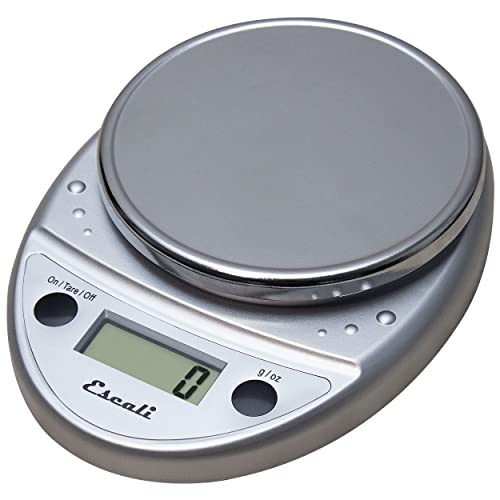
The Escali Primo is a staple in many households for a reason: it is built to last through years of heavy use. Its simple, two-button interface is virtually foolproof, which is exactly what you want when you are mid-row and just need a quick measurement.
The platform is elevated slightly, which helps keep the display visible even when you are weighing larger, bulkier items. It handles repetitive weighing tasks with impressive consistency.
While it might not have the extra bells and whistles of more expensive models, its durability is its greatest asset. If you want a scale you can count on for a decade, this is the one.
Why Fiber Weight Accuracy Matters for Knitters
Fiber weight is the only true metric for determining how much yarn you have remaining. Unlike yardage, which can be affected by the tension of the winding process, weight is a constant physical property.
When you are working with hand-dyed yarns, weights can sometimes vary slightly between skeins due to the absorption of dyes and moisture. Measuring ensures you have enough to complete your project without playing "yarn chicken."
Accurate weighing also helps you calculate your gauge more effectively by understanding the density of your fabric. It is a foundational skill that elevates your knitting from a hobby to a refined craft.
Understanding Grams vs Ounces in Yarn Projects
Most yarn labels and knitting patterns utilize grams as the standard unit of measurement. It is far easier to perform math with grams because they are based on a decimal system, which simplifies dividing yarn for matching socks or sleeves.
Ounces are common in some regions, but they can be cumbersome when you need to calculate percentages or divide a skein. If your scale allows you to toggle between units, I highly recommend sticking to grams for all your knitting calculations.
If you find a pattern that uses ounces, don’t be afraid to convert it to grams. Consistency is key to avoiding errors that could lead to running out of yarn at the worst possible moment.
How to Calibrate Your Scale for Best Results
Even the best scales can lose their accuracy over time due to temperature changes or minor bumps. Most digital scales have a calibration function, and checking this periodically is a good habit for any serious knitter.
You don’t always need a professional weight set to check your scale. Using a common, known-weight item—like a new, unopened coin—can give you a quick "sanity check" to see if your scale is still performing correctly.
Always ensure your scale is on a flat, hard surface before measuring. Placing it on a carpet or a soft knitting bag will lead to inaccurate readings and frustration.
Tips for Measuring Yarn Leftovers Effectively
Measuring leftovers is the best way to prevent your stash from becoming a mountain of mystery balls. Always weigh your yarn before you start a project, and then weigh the remaining amount once you finish.
Keep a small notebook or a digital spreadsheet to record the weight of your leftovers. This makes it much easier to plan future projects, like scrap-yarn blankets or colorwork accents, without having to guess at the yardage.
- Group by fiber content: Keep your wool leftovers separate from your cotton or synthetic blends.
- Use a container: Use a consistent bowl or bag for weighing and "tare" the scale to zero before adding your yarn.
- Label as you go: A small tag with the yarn name and weight can save you hours of time later.
Investing in a reliable scale is one of the most practical upgrades you can make to your knitting practice. It transforms your relationship with your stash, turning leftover yarn from a source of anxiety into a valuable resource for future projects. By choosing the right tool for your specific needs, you gain the freedom to knit with confidence and precision. Happy knitting, and may your yarn always be enough!