7 Best Yarn Winders For Super Bulky Skeins
Find the best yarn winders for super bulky skeins. Our guide reviews seven durable models designed to handle thick fibers without tangling or motor strain.
Wrangling a massive, squishy skein of super bulky yarn can turn a peaceful knitting session into a tangled nightmare before you even pick up your needles. While standard winders work for fingering weight, they often buckle under the weight and volume of thick, roving-style yarns. Investing in a heavy-duty winder ensures your yarn stays organized, tension-controlled, and ready for your next project. Here are the top tools designed to handle the heftiest fibers in your stash.
Stanwood Needlecraft Large Metal Yarn Winder


This is the gold standard for many serious knitters who frequently work with bulky wools. Its metal gears provide a level of durability that plastic models simply cannot match when under the strain of a thick, heavy cake.
The large spool allows you to wind up to 10 ounces of yarn, which is essential when you have a massive skein that would otherwise require three separate smaller cakes. Because it is built with high-quality components, it offers a smooth, consistent spin that prevents the yarn from snagging or stretching during the process.
If you find yourself constantly knitting blankets or chunky sweaters, the longevity of this machine makes it a smart investment. You won’t have to worry about the gears stripping out after a few months of heavy use.
KnitPicks Ball Winder: Best Budget Option
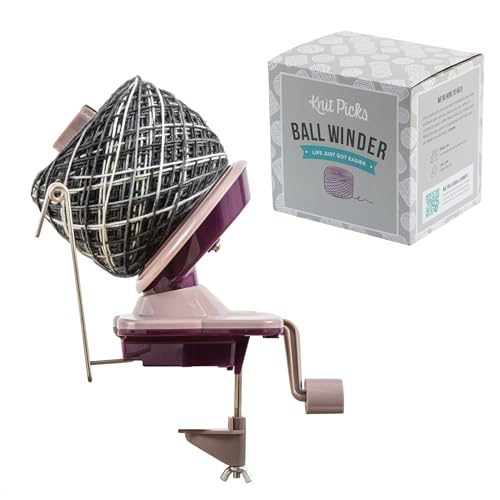
If you are just beginning to build your stash and aren’t ready to drop a premium price on gear, this winder is a reliable entry point. It is surprisingly sturdy for its price bracket and handles bulky yarn better than most generic, unbranded plastic winders.
The key here is managing your expectations regarding capacity. While it can handle thicker yarn, you should wind smaller cakes to avoid overwhelming the plastic spindle. It’s perfect for the knitter who wants to organize their yarn without breaking the bank.
Just keep in mind that the tension guide is lighter than on metal models. You may need to manually guide the yarn with your fingers to ensure a nice, even wind that won’t collapse when you pull from the center.
Nancy’s Knit Knacks Heavy Duty Yarn Winder
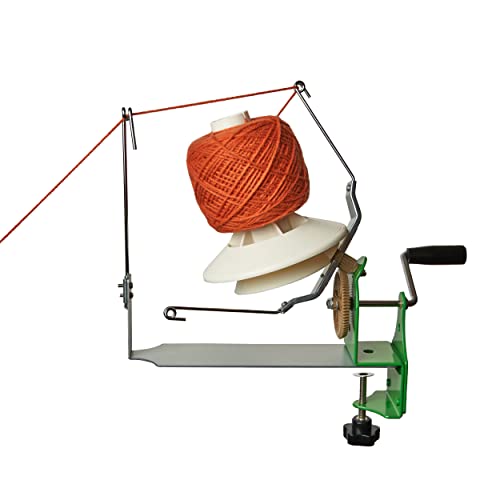
This winder is engineered for those who treat their fiber arts as a serious craft. It features a robust design that feels substantial on your tabletop, providing the stability needed when you are winding a heavy, high-ply super bulky yarn.
The mechanics are designed to reduce the "tug-of-war" feeling you get with cheaper models. Because it is built to be "heavy duty," it handles the resistance of thicker, more textured yarns without skipping a beat.
This is an excellent choice if you work with hand-spun yarns that vary in thickness. The consistent speed helps maintain an even tension, which is vital for preventing the yarn from becoming "dead" or losing its natural loft during the winding process.
Lacis Jumbo Yarn Ball Winder for Bulky Skeins

When you need to wind a massive, 200-gram skein of super bulky yarn in one sitting, the Lacis Jumbo is a top contender. Its wide base and large-diameter spool are specifically designed to accommodate the sheer volume of thick fibers.
The design is straightforward, prioritizing function over flash. It excels at creating large, stable cakes that don’t topple over when you start pulling yarn from the center.
It is worth noting that this winder is quite large, so ensure you have enough table space to operate it comfortably. If you have a dedicated craft room or a large kitchen table, this is a workspace staple that makes quick work of even the most intimidating skeins.
U-nitt Large Capacity Metal Yarn Ball Winder
The U-nitt is a fantastic middle-ground option that offers metal construction without the professional-grade price tag of some high-end industrial models. It feels solid, sits firmly on the table, and handles the weight of bulky yarn with ease.
The metal gears are the standout feature here, as they provide the torque necessary to keep the spindle turning smoothly even when the yarn is slightly sticky or high-friction. This is particularly useful for mohair-blend super bulky yarns that tend to grab onto themselves.
It is a durable, no-nonsense tool that bridges the gap between hobbyist and professional gear. It is an excellent choice for a knitter who wants one tool that will last for years without needing an upgrade.
Strauch Jumbo Ball Winder: The Professional Pick
If you are a professional designer or a prolific knitter who goes through yarn by the pound, the Strauch is the "last winder you’ll ever buy" option. It is built like a tank and can handle massive amounts of yarn with effortless precision.
The winding mechanism is incredibly smooth, which is essential for protecting the integrity of luxury fibers. When you are winding expensive, high-quality super bulky wool, you want a machine that won’t cause unnecessary friction or tension that could damage the fiber’s structure.
While the price is significant, the performance is unmatched. It is designed to withstand hours of continuous use, making it the clear choice for someone who runs a small business or produces a high volume of finished items.
Amish Style Wooden Yarn Swift and Winder Combo
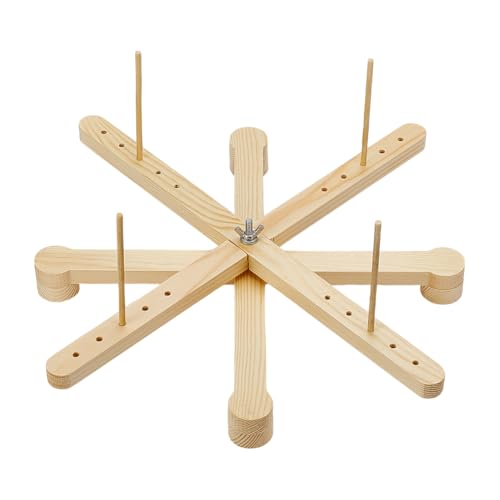
A winder is only half the equation; you need a sturdy swift to hold your skein while you wind. An Amish-style wooden swift is a perfect partner for bulky yarn because it is adjustable and doesn’t rely on tension springs that can snap under heavy loads.
- Stability: The wide footprint prevents the swift from tipping over as the bulky yarn pulls against it.
- Adjustability: You can easily slide the pegs to fit the circumference of any hank, from small hand-dyed skeins to massive chunky hanks.
- Maintenance: A quick wipe-down with wood oil keeps the arms moving smoothly for years.
Using a wooden swift with your winder ensures that the yarn flows off the skein at a controlled pace. This prevents the dreaded "yarn barf" that happens when a skein tangles because the swift wasn’t spinning freely enough.
Why Super Bulky Yarn Needs a Heavy Duty Winder
Super bulky yarn is heavy, plain and simple. When you place a heavy skein on a lightweight, plastic winder, the center of gravity is often off-balance, leading to a shaky, uneven wind that can actually weaken the yarn.
High-ply, super bulky fibers also have a lot of "spring." If they are wound too tightly, they lose their loft and can become stretched, which ruins the gauge of your project.
A heavy-duty winder allows you to control the tension, ensuring the yarn is wound gently. This preserves the "bounce" of the wool, which is exactly what you want for a cozy, warm, chunky sweater or blanket.
Essential Features for Winding Thick Yarn Cakes

When shopping for a winder, look for these specific traits to ensure it can handle your stash:
- Metal Gears: Plastic gears will eventually strip when faced with the resistance of thick yarn.
- Wide Spindle: A wider spindle creates a more stable cake that doesn’t collapse.
- Heavy Base: A heavy base prevents the winder from dancing across your table while you crank.
- Adjustable Tension Guide: Being able to adjust how tightly the yarn is fed onto the cake is the secret to avoiding over-stretched fibers.
Always prioritize build quality over extra bells and whistles. A simple, heavy-duty metal winder will always outperform a flimsy plastic model with extra features.
Proper Maintenance Tips for Your Yarn Winder
To keep your winder in peak condition, keep it clean and free of dust. Yarn fibers, especially those from untreated wool, can shed tiny particles that get caught in the gears.
A drop of sewing machine oil on the moving parts once a year is usually enough to keep everything spinning like a dream. Never force the crank if you feel resistance; stop and check for a tangle on the swift instead.
If you are winding a particularly fuzzy yarn, take a moment to clear out the tension guide between skeins. A buildup of fuzz can change the tension, leading to uneven cakes.
Choosing the right winder transforms your yarn prep from a dreaded chore into a satisfying part of the creative process. Whether you opt for a sturdy metal model or a budget-friendly plastic version, remember that the goal is to protect your fiber and prepare it for success. Take your time, maintain your tools, and enjoy the rhythm of the wind. Your hands and your project will thank you for the extra care.