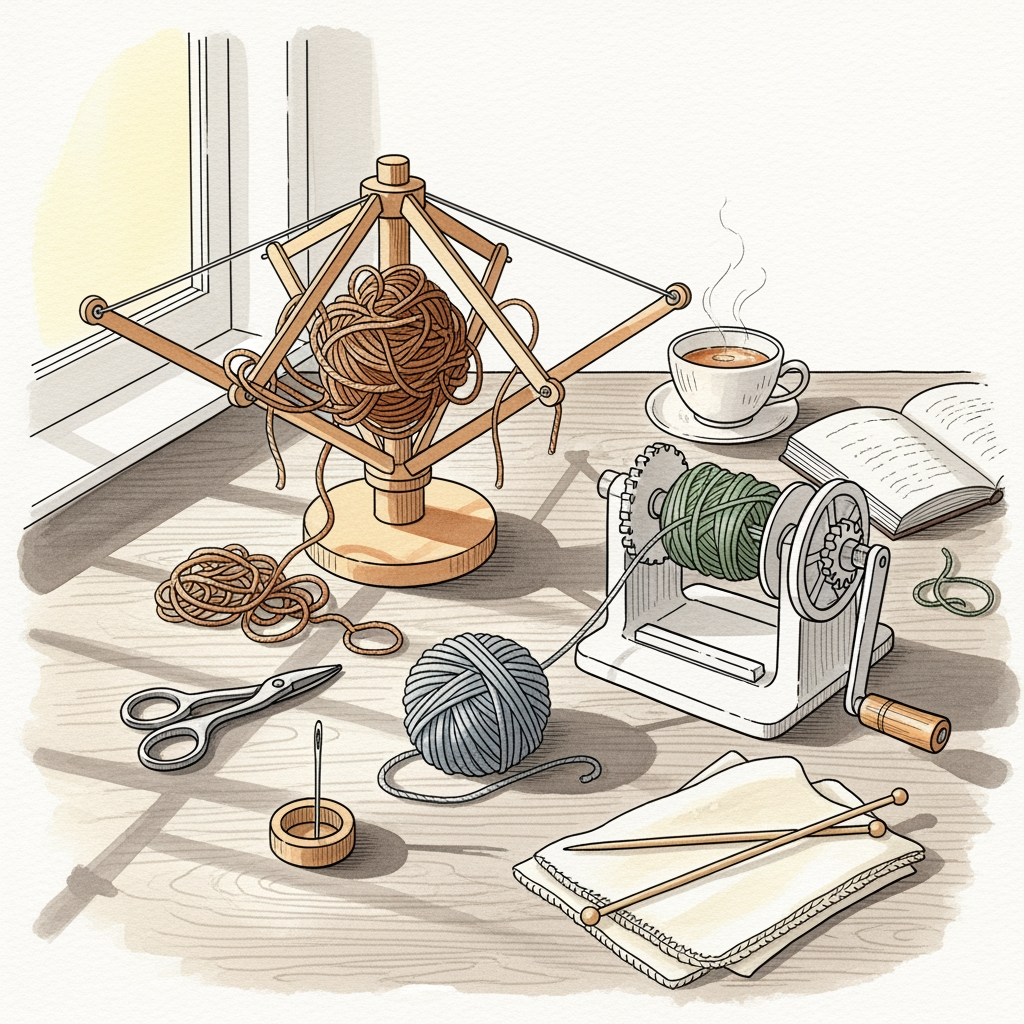
6 Best Cone Stands For Tangle-Free Yarn Flow
Discover the 6 best yarn cone stands to ensure a tangle-free flow. Learn how these essential tools improve your knitting and crochet efficiency with ease.
Every knitter knows the frustration of a yarn cake rolling across the floor or a cone snagging mid-row, turning a meditative project into a tangled mess. A dedicated cone stand is the unsung hero of the craft room, ensuring your fiber feeds smoothly and maintains consistent tension. Whether you are working with delicate lace weight or heavy wool, the right stand transforms your mechanical efficiency. These six options represent the gold standard for maintaining a steady, snag-free rhythm in your knitting.
Stanwood Needlecraft Yarn Ball Winder Stand


This stand is a staple for those who frequently transition between skeins and cakes. Its heavy-duty design provides the stability needed when you are pulling yarn at high speeds during machine knitting or rapid hand-knitting sessions.
The weighted base is the standout feature here, preventing the dreaded "tipping" that occurs when you reach the end of a large cone. It handles various sizes with ease, making it a versatile choice for makers who switch between fingering weight for socks and worsted weight for sweaters.

However, keep in mind that its robust build requires a bit of dedicated table space. If you are working in a cramped craft nook, you might find the footprint slightly larger than minimalist alternatives.
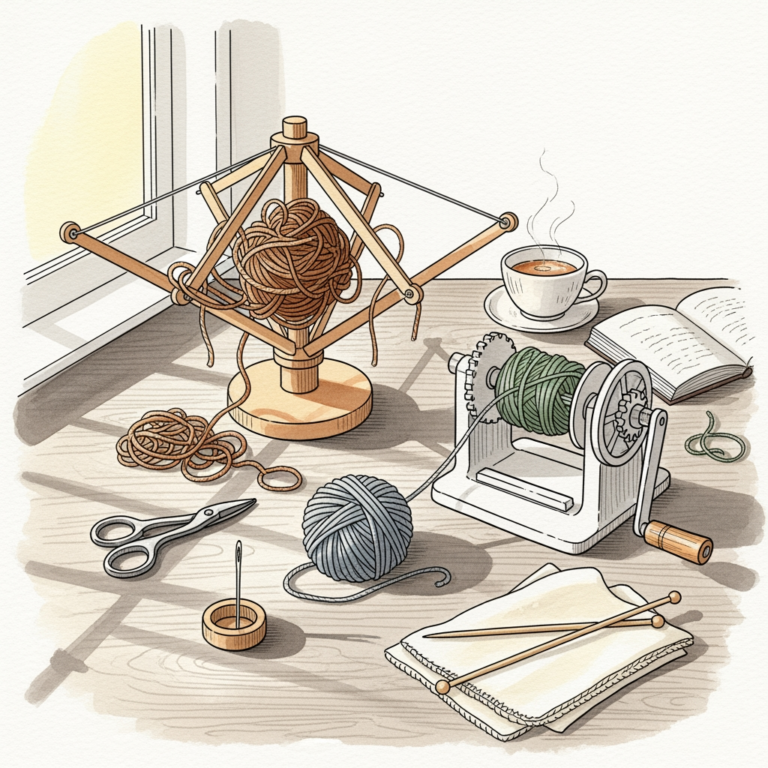
Nagina International Wooden Yarn Cone Holder

There is an undeniable aesthetic appeal to a hand-carved wooden holder that feels like a piece of furniture rather than a piece of hardware. Nagina International excels at blending traditional craftsmanship with the functional necessity of a smooth-spinning spindle.
The wood is typically polished to a high sheen, which is crucial for preventing snagging on delicate fibers like silk or mohair. Because it is a natural material, it feels warm under the hand and adds a touch of elegance to your workspace.
One trade-off is the maintenance of the wood itself; you must ensure it stays dry to prevent warping over time. If you live in a high-humidity environment, check the spindle alignment periodically to ensure your yarn flows without friction.
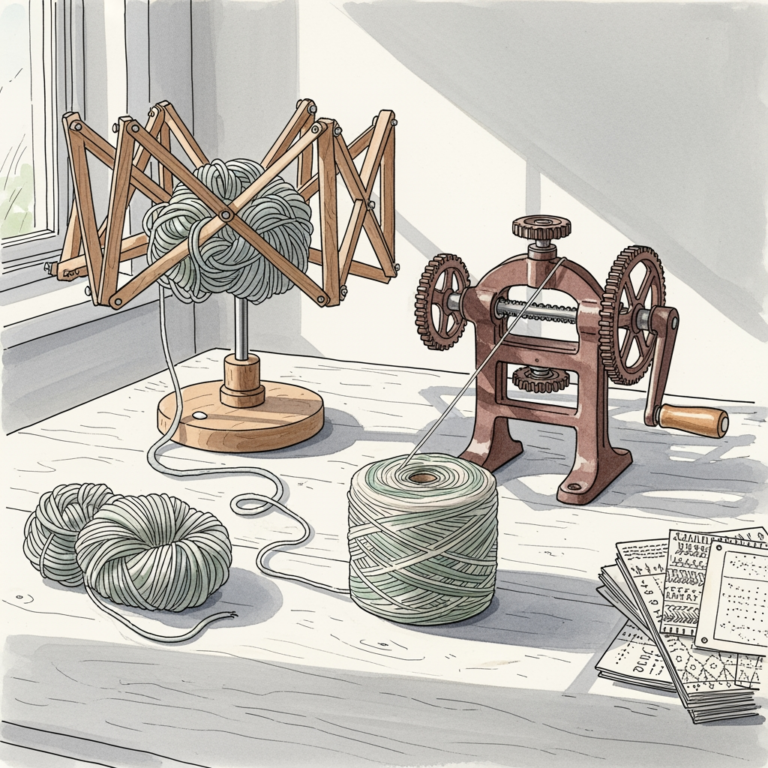
Lacis Yarn Ball Winder and Cone Stand Combo

This is a pragmatic, all-in-one solution for the knitter who wants to streamline their preparation process. By combining the winding mechanism with a reliable feeding stand, it saves precious time when you have a mountain of hanks to process.
It is particularly useful for those who wind their own cones from hanks, as the integrated system ensures the yarn is tensioned correctly from the start. You won’t have to worry about mismatched equipment or alignment issues between your winder and your holder.
The primary drawback is the learning curve associated with the assembly and calibration of a combo unit. Once dialed in, however, it provides a seamless workflow that is hard to beat for high-volume projects.
Yarn Valet Cone and Ball Yarn Holder

The Yarn Valet is a game-changer for knitters who suffer from limited table space or move their projects between rooms. Its clever, compact design allows it to sit snugly next to your chair without the bulk of a traditional heavy stand.
It relies on a specialized tensioning arm that guides the yarn, which is a massive benefit if you tend to knit with a loose gauge. By controlling the feed, it prevents the yarn from bunching up, which is a common cause of uneven stitches in stockinette fabric.
While it is incredibly portable, it may not be stable enough for very large, heavy cones of yarn. It is best suited for standard 50g to 100g balls or smaller cones rather than industrial-sized fiber supplies.
KnitPal Portable Yarn Cone Stand for Knitters

KnitPal understands the mobile knitter, offering a stand that is lightweight yet surprisingly durable. It is an excellent choice if you frequently attend knitting circles or travel to retreats where you need to bring your own setup.
The stand is designed to be easily disassembled, making it a breeze to tuck into a project bag. Despite its portability, it manages to keep the yarn upright and centered, which is essential for maintaining consistent tension on your needles.
Because it is lightweight, you might consider placing it on a non-slip mat if you are working on a slick glass or polished wood table. A little extra grip goes a long way in keeping the stand stationary during vigorous knitting.
Fiber Artist Supply Co. Maple Cone Stand
For the serious fiber artist, this maple stand is an investment in quality that will last a lifetime. The use of solid hardwood ensures that the spindle remains perfectly vertical, which is critical for preventing the yarn from dragging against the base.
The finish is exceptionally smooth, ensuring that even the most fragile, single-ply hand-spun yarns won’t catch or fray during use. It is a tool designed for those who view their knitting as an art form and want equipment that reflects that level of care.
The price point is higher, but the durability and the tactile pleasure of using real maple are worth the cost for dedicated makers. It is a "buy it once" tool that removes all mechanical anxiety from your knitting process.
Why Every Knitter Needs a Dedicated Cone Stand
A cone stand does more than just hold your yarn; it acts as a tension regulator. By elevating the yarn, you allow gravity and the spindle’s rotation to do the work, rather than your hands having to tug against the friction of a rolling ball.
This is vital for preventing hand fatigue and repetitive strain injuries. When your yarn flows effortlessly, you can maintain a more consistent gauge throughout your project, which is especially important for large garments like sweaters.
Without a stand, you are constantly fighting the physical resistance of the yarn, which often leads to tighter stitches as you tire. A stand keeps the yarn at a constant distance and angle, ensuring that your final fabric is uniform and professional.
Factors to Consider When Buying a Cone Holder
When selecting a stand, your primary focus should be the stability of the base and the smoothness of the spindle. If the base is too light, the stand will wobble, and if the spindle is rough, your yarn will catch and break.
- Weight: A heavier base is always better for larger, multi-ply cones.
- Material: Wood is gentle on fibers, while metal offers superior structural integrity.
- Portability: Consider whether you need to move the stand between rooms or travel with it.
- Versatility: Look for a spindle that can accommodate both paper cones and plastic bobbins.
Always assess your specific knitting habits; if you are a fast knitter, you need a stand that can handle high-speed rotation without vibrating off the table.
How to Prevent Tangles During Machine Knitting
Machine knitting requires a constant, high-speed flow of yarn that hand knitting does not demand. If your yarn feeds unevenly, the machine will drop stitches or, worse, cause a jam that damages the needle bed.
Ensure your stand is positioned directly behind or to the side of the machine, aligned with the mast. This minimizes the angle of the yarn travel, reducing the chance of the fiber twisting or snagging on the way to the tension dial.
If you are using a multi-strand setup, ensure each cone has its own independent spindle. Never try to feed two strands from a single holder, as they will inevitably twist around each other and create a knot.
Proper Maintenance for Your Yarn Feeding Tools
Even the best tools need a little love to keep them functioning at their peak. For wooden stands, a light wipe with a damp cloth and an occasional application of beeswax will keep the wood from drying out or splintering.
For metal components, check the screws and joints regularly to ensure they haven’t loosened from the vibration of your knitting. A drop of machine oil on the spindle base can also help if you notice the rotation becoming sluggish or noisy.
Finally, keep your stands clean of lint and dust. Yarn fibers can accumulate in the spindle mechanism, creating friction that will eventually pull on your yarn and ruin your tension.
Investing in a quality cone stand is one of the most effective ways to elevate your knitting experience and protect your hands from unnecessary strain. By choosing a tool that matches your specific project needs and fiber types, you ensure that every stitch is placed with ease and consistency. Take the time to evaluate your workspace and your habits, and you will find that a smooth yarn flow is the secret to finishing your projects with joy. Happy knitting, and may your yarn always flow as freely as your creativity.