6 Best Specialty Yarns For Texture Variety To Try
Elevate your knitting projects with these 6 specialty yarns. Discover unique textures and fibers that add depth, character, and professional flair to any craft.
Texture is the secret language of knitwear, transforming a simple stockinette square into a tactile masterpiece that demands to be touched. Choosing the right specialty yarn can elevate your work from "homemade" to a professional-grade heirloom. By understanding how different fibers behave on the needles, you gain the power to manipulate drape, density, and visual interest. This guide explores six distinct yarns that will push your knitting boundaries and redefine your finished projects.
Rowan Kidsilk Haze: The Ultimate Mohair Blend


Rowan Kidsilk Haze is a legendary lace-weight blend of 70% mohair and 30% silk. Because of its ethereal halo, it creates a soft, cloud-like fabric that adds a layer of luxury to any garment.
When you knit with this, the fine mohair fibers bloom significantly after washing. This means your initial stitches may look uneven, but they will "marry" together during the blocking process to create a dense, opaque, or airy fabric depending on your needle size.
The main tradeoff here is the difficulty of "tinking" or unraveling. Because the mohair fibers are fuzzy and grab onto each other, ripping back a mistake is a chore; keep your tension consistent to avoid the heartbreak of a tangled mohair mess.
Malabrigo Rasta: Chunky Hand-Dyed Merino Wool

Malabrigo Rasta is a single-ply, super-bulky yarn that feels like knitting with a soft, squishy rope. Its hand-dyed nature means every skein is a unique work of art, which is perfect for those who want their accessories to be the focal point of an outfit.
Because it is a single-ply yarn, it lacks the structural integrity of a multi-ply twist, making it prone to pilling if subjected to heavy friction. Use this for hats, cowls, or chunky scarves where you want immediate impact without worrying about high-wear areas like underarms.
If you are a beginner, the rapid growth of this yarn is incredibly rewarding, but be careful with your needle choice. Use smooth wooden or bamboo needles to help grip the roving-like texture, as metal needles can make this slippery yarn feel unstable.

Noro Ito: Iconic Self-Striping Wool Texture
Noro Ito is famous for its long, unpredictable color transitions and rustic, slightly uneven spin. It is not the softest yarn on the market, but it offers a structural "grit" that holds intricate cables and textured stitches better than almost any other wool.
The charm of Noro lies in its irregularities; you will occasionally find bits of vegetable matter or sudden knots in the skein. Embrace these as part of the yarn’s organic, Japanese-inspired aesthetic rather than viewing them as defects.
When planning a project, remember that the color shifts are the star of the show. Avoid overly complex lace patterns that might get lost in the color changes and instead opt for simple, rhythmic stitches that let the yarn do the heavy lifting.
Isager Bouclé: Unique Organic Cotton Texture
Isager Bouclé is a loop-textured yarn that provides a sophisticated, modern look reminiscent of high-end designer knitwear. Because it is made from organic cotton, it lacks the elasticity of wool, which requires a shift in how you maintain your tension.
Working with bouclé can be tricky because the loops can snag on your needle tips. Use a slightly larger needle than the label suggests to prevent the fabric from becoming too stiff, as the texture itself adds significant bulk to the finished piece.
Since cotton has no memory, your stitches will not "spring back" like wool. If you are knitting a garment, ensure you swatch and block thoroughly to see how the fabric stretches under its own weight, as this will dictate the final length of your sleeves or body.
Hedgehog Fibres Tweedy: Rustic Recycled Wool
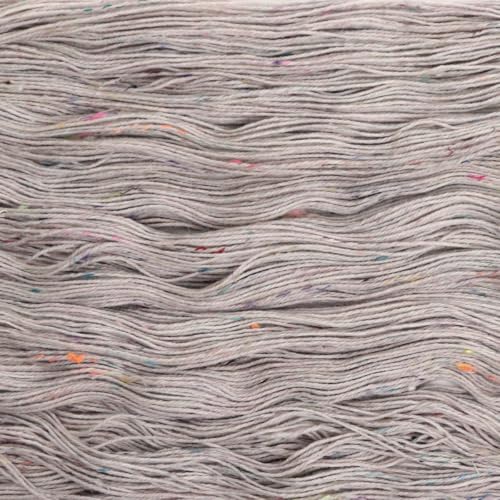
Hedgehog Fibres Tweedy is a masterclass in texture, blending recycled wool with bits of colorful fiber "neps" throughout the strand. It has a dry, woolly hand that feels sturdy, traditional, and incredibly satisfying to knit with.
This yarn is ideal for colorwork or simple sweaters where you want a rustic, artisanal appearance. The neps create a "confetti" effect that adds depth to the fabric, making even a plain garter stitch look intentional and designed.
Be aware that because it is a rustic wool, it may feel scratchy to those with sensitive skin. I recommend wearing this as an outer layer—like a heavy cardigan or a vest—rather than directly against the neck or wrists.
The Fibre Co. Cirro: Soft Alpaca Blend Yarn
The Fibre Co. Cirro is a chainette-constructed yarn, meaning the fibers are blown into a delicate, hollow tube. This construction makes it surprisingly lightweight despite its warm, fuzzy alpaca and merino content.
The chainette structure provides a beautiful, rounded stitch definition that is perfect for showcasing textured patterns like bobbles or twisted stitches. It is far more durable than a traditional spun yarn, as the internal structure prevents it from snapping under tension.
Because it is so soft, it is an excellent choice for garments meant to be worn against the skin. However, keep an eye on your tension; because the yarn is airy, it can be easy to accidentally stretch the stitches while working, leading to a looser gauge than intended.
How to Select Yarns for Maximum Stitch Texture
Selecting the right yarn for texture is about balancing the fiber’s "bloom" against the stitch pattern. If you want a crisp, defined cable, choose a smooth, high-twist yarn that won’t obscure the stitch details.
Conversely, if you want a soft, blended look, choose a yarn with a halo, like a mohair or an alpaca blend. These fibers will blur the lines of your stitches, creating a cohesive, painterly effect rather than a sharp, architectural one.
Always consider the "weight" of the texture. If your pattern has heavy cables or bobbles, a thick, heavy yarn will make the garment feel like a suit of armor; a lighter, chainette-constructed yarn will give you the same look with significantly more comfort.
Why Fiber Content Dictates Your Fabric Drape
Fiber content is the primary driver of how a garment hangs on the body. Protein fibers like wool and alpaca offer elasticity and memory, meaning they will hold their shape and bounce back when stretched.
Plant fibers like cotton and linen are inelastic and heavy, which causes them to grow and sag over time. If you choose a plant-based specialty yarn, you must account for this "gravity effect" by knitting at a tighter gauge or choosing a pattern with minimal vertical stress.
Ultimately, your choice of fiber determines whether your project will stand away from the body or cling to it. If you want a flowy, elegant drape, gravitate toward blends with silk or alpaca; for structured, boxy silhouettes, stick to wools or wool-nylon blends.
Essential Tips for Working With Novelty Yarns
Novelty yarns often require a change in how you hold your tension. Because these yarns have varying thicknesses—like bouclé or thick-and-thin wool—you cannot rely on the "rhythm" you might have developed with standard worsted wool.
If you are working with a textured yarn, use a simple stitch pattern. Let the yarn provide the interest and keep your knitting movements consistent to ensure the texture is distributed evenly across the fabric.
When in doubt, use a larger needle than the yarn label suggests. This allows the unique texture of the yarn to "breathe" and prevents the fabric from becoming a dense, unwearable board.
How to Care for Textured and Specialty Fibers
Textured fibers are often more delicate than standard yarns and require gentle handling. Always hand-wash your finished items in cool water with a wool-safe detergent, and never wring or twist the wet fabric, as this can permanently distort the texture.
For mohair or fuzzy blends, lay the piece flat to dry on a towel, gently patting it into shape. Avoid hanging your garments, as the weight of the water can stretch the fibers and ruin the drape you worked so hard to achieve.
When storing your specialty knits, keep them folded rather than on hangers to prevent shoulder dimples. Use cedar or lavender sachets to protect natural fibers from moths, ensuring your investment remains as beautiful as the day you finished it.

Specialty yarns are the most powerful tools in your knitting kit, offering endless opportunities for creative expression. By respecting the unique properties of fibers like mohair, bouclé, and rustic wool, you can craft pieces that are as functional as they are beautiful. Don’t be afraid to swatch extensively and experiment with different needle materials to find what works best for your hands. With these fibers in your stash, your next project is guaranteed to be a tactile delight.