6 Best Winding Umbrellas For Yarn Preparation
Discover the top 6 yarn umbrellas for efficient winding. This guide highlights key features to help you choose the best tool for your fiber preparation needs.
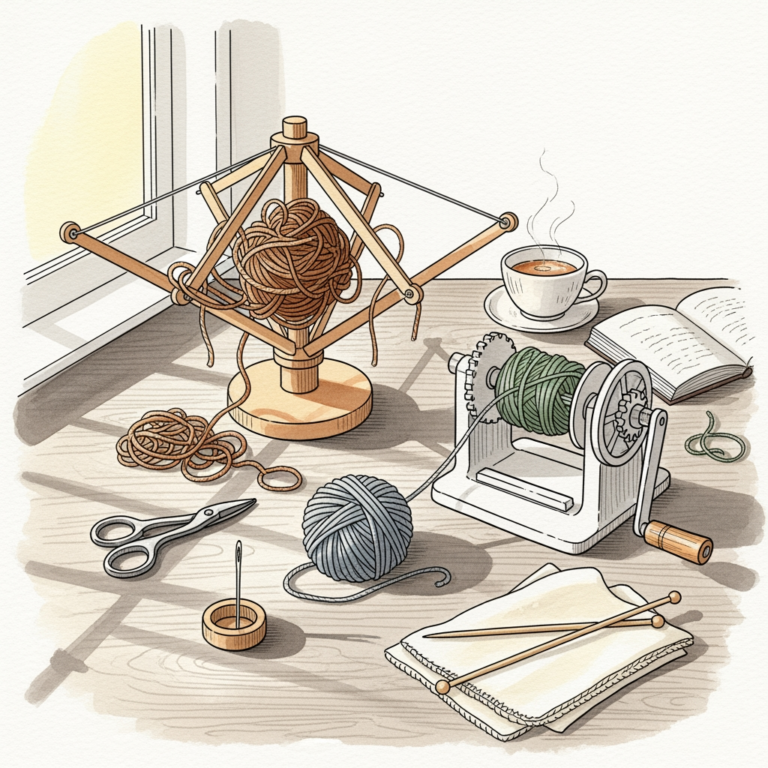
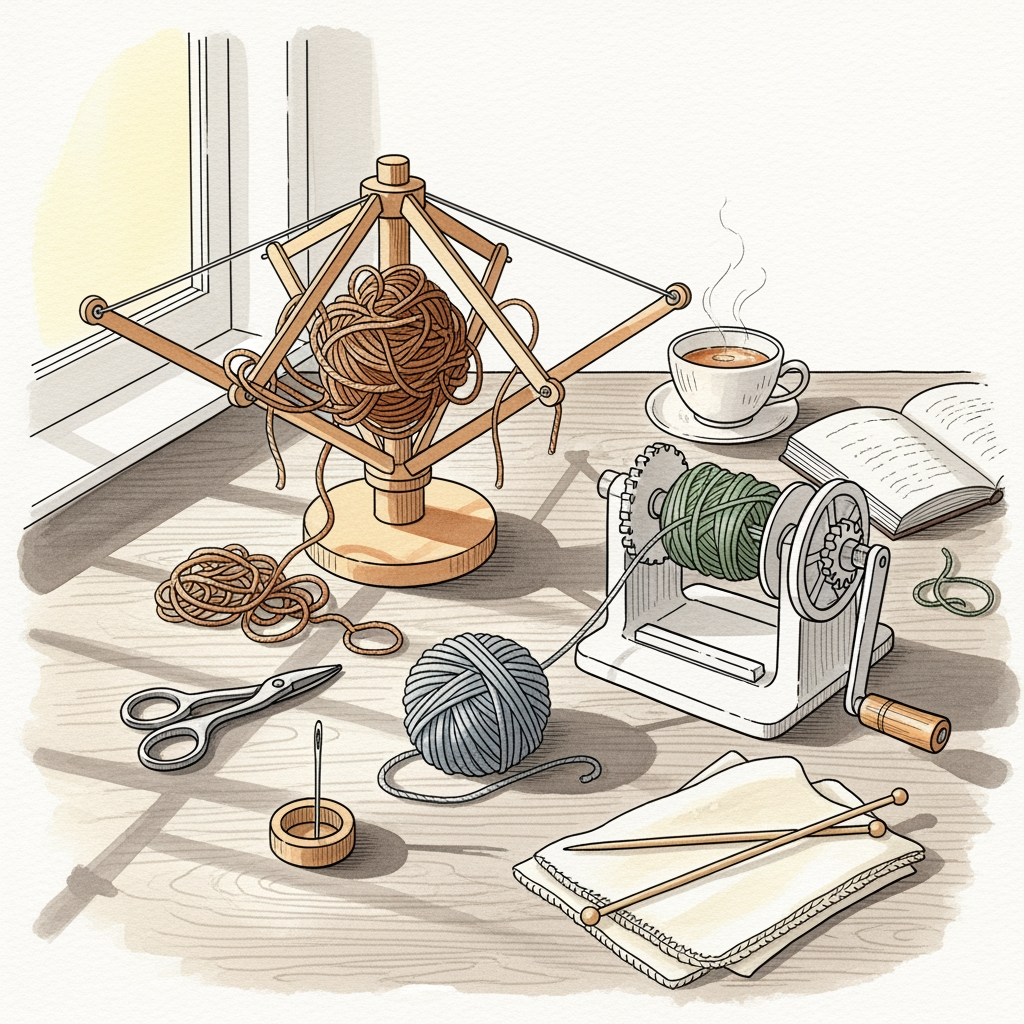
Every knitter eventually reaches the point where they must transition from a tangled hank of luxury wool to a neat, manageable cake. Investing in a quality yarn swift is the single most effective way to protect your fiber from unnecessary friction and dreaded knots. This guide explores the best winding tools on the market to help you streamline your prep process. Choosing the right swift ensures that your winding experience is as relaxing as the knitting itself.
Stanwood Needlecraft Tabletop Yarn Swift


The Stanwood tabletop swift is a staple in many serious studios because of its robust, heavy-duty construction. It features a smooth, ball-bearing rotation that minimizes resistance, which is vital when you are winding delicate, high-twist yarns that might snap under tension.

This model is particularly excellent for those who work with large, heavy hanks of worsted or bulky weight yarn. Because it clamps securely to most table edges, it stays stationary even when you need to wind at a brisk pace.
The main takeaway here is longevity. If you find yourself winding hanks every weekend, the smooth rotation and sturdy metal hardware make this an investment that pays for itself in saved time and frustration.
Knit Picks Yarn Swift: Best Budget Option
If you are just beginning your journey into dyeing or buying hand-painted hanks, you don’t necessarily need to break the bank. The Knit Picks swift offers a reliable, functional design that gets the job done without the premium price tag of high-end wooden models.
It is lightweight and portable, making it an ideal choice for knitters who don’t have a dedicated craft room and need to pack their supplies away after use. While it may lack the heavy-duty feel of more expensive options, it is perfectly adequate for standard fingering or sport weight yarns.
Be aware that it requires a bit more care during setup to ensure the arms are balanced. For the occasional winder, this is the most practical entry point into the world of yarn preparation.
Amish Style Wooden Yarn Swift: Best Design
The Amish-style swift is a masterpiece of simple, effective engineering that sits directly on your tabletop without the need for clamps. Its horizontal, rotating wheel design is incredibly gentle on yarn, as it doesn’t rely on the "umbrella" tension mechanism found in vertical swifts.
This design is a favorite for those who work with fragile, hand-spun fibers or delicate lace-weight mohair. Because the yarn rests on wooden pegs, there is almost zero risk of the yarn getting caught in moving metal parts.
The trade-off is the footprint; it takes up more table space than a vertical swift. However, if you have the room, the stability and ease of loading make it a joy to use.
Lacis Wooden Umbrella Swift: Most Durable
When you look at the construction of a Lacis swift, you immediately notice the quality of the wood and the precision of the joints. This is a tool designed to be passed down, featuring a classic umbrella mechanism that is both intuitive and highly responsive.
It handles a wide range of hank sizes, from small lace skeins to giant, half-pound hanks of superwash wool. The tension is consistent, which prevents the yarn from sagging and tangling as the hank gets smaller.
If you prioritize heirloom quality and smooth operation, this is the gold standard. It is a reliable workhorse that handles high-volume winding without showing signs of wear.
Nifty Knitters Cedar Yarn Swift: Best Wood

The Nifty Knitters Cedar Swift is not just a tool; it is a beautiful piece of craftsmanship that smells wonderful and functions flawlessly. The cedar wood is naturally smooth, which is essential to prevent snagging on delicate fibers like alpaca or silk.
Beyond aesthetics, the wood is lightweight yet strong enough to maintain its shape over years of use. It operates with a satisfying, quiet spin that makes the winding process feel like a meditative ritual rather than a chore.
The bottom line is that this swift combines form and function perfectly. It is the top choice for the knitter who values natural materials and wants their tools to be as beautiful as their yarn.
ChiaoGoo Yarn Swift: Best Performance Pick
ChiaoGoo is well-known for their precision knitting needles, and they bring that same engineering rigor to their yarn swift. This model is exceptionally fast and balanced, making it the top performance pick for those who wind yarn in large batches.
It features a very responsive rotation that reacts instantly to the speed of your yarn winder. This prevents the common issue of "yarn over-run," where the swift spins faster than you are winding, leading to a tangled mess.
If you are a high-volume knitter or a small-business dyer, the performance and reliability of this swift are unmatched. It is built to keep up with the fastest winders on the market.
How to Choose the Right Swift for Your Space
Before buying, measure your dedicated workspace and consider how often you will be winding. If you have a small apartment, look for a vertical umbrella swift that collapses down to a slim profile for easy storage in a drawer.
If you have a permanent craft corner, the Amish-style horizontal swift is often more convenient because it requires no clamping. You can simply set it down and start winding immediately.
Always check the maximum circumference the swift can accommodate. Most standard swifts handle up to 60 inches, but if you buy specialty hand-dyed yarns with unusually large hanks, verify the dimensions first.
Understanding Swift Materials: Wood vs Metal
Wood swifts offer a classic, tactile experience and are often gentler on delicate fibers. They are less likely to generate static electricity, which can be a nuisance when working with synthetic blends or dry, high-twist wools.
Metal swifts are typically more durable and offer a smoother, more consistent rotation due to precision ball bearings. They are often easier to clean and less susceptible to changes in humidity, which can sometimes cause wooden parts to stick.
Ultimately, the choice comes down to your personal preference for the "feel" of your tools. If you live in a very humid climate, metal may be a more stable choice for long-term alignment.
Proper Care and Maintenance for Yarn Swifts
Treat your swift like the precision instrument it is. If you have a wooden swift, keep it away from direct heat sources or extreme moisture, which can warp the wood and cause the arms to bind.
Occasionally wipe down the wooden parts with a soft cloth to remove any dust or fiber residue. If your swift uses metal joints, a tiny drop of sewing machine oil can keep the rotation buttery smooth for years.
Never force the umbrella mechanism if it feels stuck. Gently inspect the joints for trapped yarn or debris before applying any pressure to avoid snapping the delicate wooden slats.
Troubleshooting Common Yarn Winding Problems
The most common issue is the yarn "jumping" off the swift, usually caused by the swift being placed too far from the ball winder. Keep your swift and winder close enough that the yarn maintains a gentle, consistent tension, but not so close that the yarn rubs against the base.
If your yarn is tangling, you may be winding too fast or the swift may be unbalanced. Always ensure your hank is properly untwisted before placing it on the swift; a single twist in the hank will inevitably lead to a knot.
If the swift is spinning unevenly, check the tension screw or clamp. A stable, level base is the secret to a perfect, center-pull cake every single time.
Selecting the right yarn swift is an essential step in elevating your craft and protecting your beautiful fiber investments. Whether you choose a classic wooden model or a high-performance metal design, the key is finding a tool that makes your prep work feel effortless. With the right equipment, you can spend less time untangling knots and more time enjoying the rhythm of your needles. Happy winding, and may your yarn cakes always be perfectly tensioned.