6 Best Sewing Awls For Unpicking Lace Errors
Master the art of delicate repairs. We review the 6 best sewing awls for safely unpicking lace errors, ensuring precision without damaging your fine fabrics.
Unpicking lace is the most nerve-wracking part of any knitter’s journey, especially when a single dropped yarn-over can ruin an entire row of intricate pattern work. Using the right tool is the difference between a clean recovery and a permanent snag in your delicate fibers. A quality sewing awl acts as a surgical instrument, allowing you to isolate and lift individual loops with surgical precision. This guide explores the best tools to keep in your notions bag to ensure your lace stays pristine during corrections.
Clover Stitch Awl: Best Overall for Lace Repairs
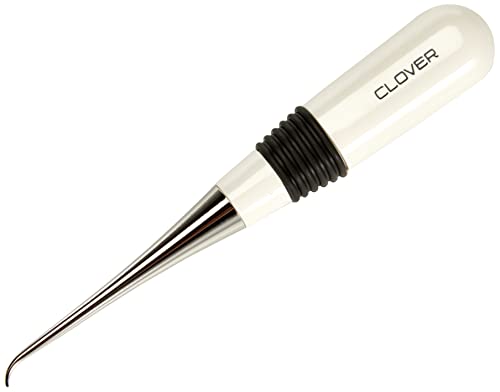

The Clover Stitch Awl is a staple in my kit because of its perfectly tapered, polished tip. When you are working with lace, you need a tool that glides under the stitch without catching on the ply of the yarn.
This awl strikes the best balance between sharpness and safety. It isn’t so needle-sharp that it pierces the yarn fibers, but it is pointed enough to slide into the tightest stitch gaps.
If you are working with slippery materials like silk or bamboo blends, this tool is indispensable. It provides just enough friction to lift the loop without sliding off and causing a run in your fabric.
Bohin Sewing Awl: Precision for Delicate Yarns

When you move into fine-gauge lace—think cobweb or lace-weight merino—the Bohin Sewing Awl is your best friend. Its slender profile is specifically designed for high-density fabrics where space is at an absolute premium.
The finish on the steel is exceptionally smooth, which is critical when working with mohair or angora. These fibers are notorious for "grabbing" onto tools, but the Bohin’s polished surface prevents that unwanted friction.
Be mindful that the tip is quite fine, making it susceptible to bending if used with too much force. Use it for delicate guidance rather than prying, and it will serve you for years.
Dritz Heavy Duty Awl: Best for Sturdy Fiber Work

Not all lace is delicate; some of us love knitting lace with rustic wools or cotton-linen blends. The Dritz Heavy Duty Awl is the tool I reach for when the yarn has a bit more "tooth" or resistance.
Because these fibers are often grittier, a finer tool might feel flimsy or ineffective. This awl offers a more robust grip and a thicker shaft, allowing you to manipulate heavier weight lace designs with confidence.
It is a bit bulkier, so it isn’t ideal for intricate, tiny-stitch adjustments. However, for correcting errors in a chunky lace throw or a heavy cotton shawl, it provides the necessary leverage.
Fiskars Craft Awl: Ergonomic Choice for Comfort
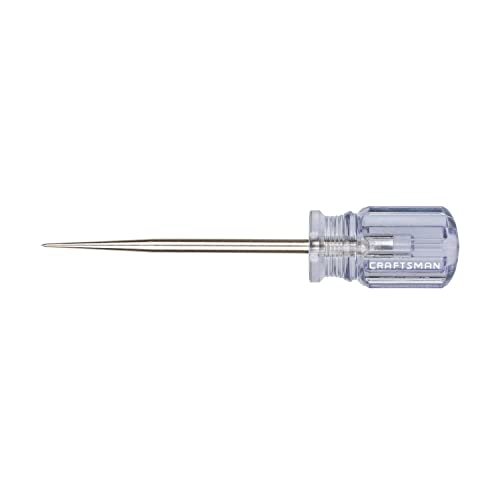
If you have ever spent an hour correcting a lace mistake, you know that hand fatigue is a real issue. The Fiskars Craft Awl features an ergonomic handle that reduces the strain on your knuckles during long unpicking sessions.
The handle shape encourages a relaxed grip, which is essential when your nerves are already frazzled from a knitting mistake. A relaxed hand is less likely to make a sudden, jerky movement that could snap a yarn strand.
While the tip is slightly broader than some specialty lace tools, it is incredibly consistent. It’s a reliable, comfortable workhorse for knitters who prioritize ergonomics over ultra-fine point profiles.
Singer Sewing Awl: Reliable Tool for Fine Loops

The Singer Sewing Awl is a classic for a reason: it’s simple, effective, and widely available. It excels at catching fine loops in complex lace patterns where you need to isolate one specific strand of a yarn-over.
The metal is durable and maintains its shape well over time. It doesn’t have the "fancy" coatings of some high-end tools, but it gets the job done without any fuss.
I recommend this for beginners who are just starting to practice "tinking" or ripping back lace. It is a forgiving, straightforward tool that helps you learn the mechanics of stitch manipulation without overwhelming you.
WUTA Leather Stitching Awl: Best for Tiny Spaces

Though designed for leather, the WUTA awl is a secret weapon for knitters working with very tight gauges. Its extremely sharp, tapered point can navigate the smallest openings between stitches.
When you have a lace error that is buried deep within a pattern repeat, this tool’s precision is unmatched. It allows you to target the exact spot where a stitch needs to be unraveled without disturbing the surrounding work.
Use caution, however, as the point is very sharp. It is designed to pierce, so keep a light touch to ensure you are lifting the yarn, not slicing into it.
How to Safely Unpick Lace Without Snagging Fiber
The golden rule of unpicking lace is to never pull the yarn aggressively. Always work stitch by stitch, using your awl to gently lift the loop off the needle or out of the fabric structure.
- Work in good light: Shadows hide the difference between a yarn-over and a knit stitch.
- Isolate the loop: Use the awl to pull the loop away from the neighboring stitches before you attempt to drop it.
- Support the fabric: Keep the surrounding stitches held firmly with your fingers to prevent a "run" from traveling down the row.
Patience is your greatest asset here. If you feel resistance, stop immediately and re-examine the connection; you are likely caught on a fiber ply.
Choosing the Right Awl Tip for Your Lace Project
Your choice of awl should be dictated by the fiber content and the weight of your yarn. A smooth, slick yarn like silk requires a grippier tip, while a fuzzy yarn like mohair requires a very polished, smooth tip to prevent snagging.
- For Fine Lace (Lace/Fingering): Choose a needle-point awl like the Bohin.
- For Heavy Lace (DK/Worsted): Choose a more robust, slightly thicker tip like the Dritz.
- For Fussy Fibers (Mohair/Angora): Prioritize the smoothest, most polished metal finish available.
Always test your awl on a swatch of the same yarn before going near your actual project. If it drags or pulls at the fiber, switch to a different tool.
Preventing Yarn Splitting During Error Correction
Splitting the yarn is the most common cause of damage during lace repairs. This happens when your awl tip enters the center of the yarn’s ply rather than sliding underneath the loop as a whole.
To prevent this, approach the stitch from a slight angle rather than poking straight down into the center of the loop. This "sliding" motion uses the side of the awl to lift the yarn gently.
If you are working with single-ply yarns, be extra cautious. These fibers have no twist to hold them together and are significantly more prone to splitting than plied yarns.
Essential Tips for Managing Tension After Repairs
Once you have successfully unpicked and re-knitted your lace, the tension in that area will often look slightly "off" compared to the rest of the fabric. This is perfectly normal and usually resolves with blocking.
- Gently massage the yarn: Use your fingers to distribute the excess tension across the surrounding stitches.
- Don’t over-tighten: It is tempting to pull the repair tight, but this creates a dense spot. Leave it slightly loose; the yarn will bloom and fill the space during your final soak.
- Trust the blocking process: A good soak and proper pinning will align the fibers and hide almost any evidence of a minor repair.
Never assume a repair is "ruined" just because it looks uneven on the needles. The magic of lace happens on the blocking board, not just on the needles.
Mastering the art of lace repair is a rite of passage for every dedicated knitter. By selecting the right awl for your specific fiber and technique, you turn a moment of panic into a controlled, successful correction. Take your time, keep your tools handy, and remember that even the most complex lace errors are just temporary setbacks. Happy knitting, and may your stitches always remain exactly where you intended.