7 Best Sock Blockers For Shaping Footwear To Try
Enhance your hand-knits with our top 7 sock blockers. Learn how these essential tools ensure professional shaping, perfect sizing, and a polished finish.
There is nothing quite as satisfying as pulling a pair of hand-knit socks off the needles, but the true transformation happens during the final soak and shape. Sock blockers are the secret weapon that turns a slightly puckered, uneven stitch pattern into a professional, boutique-quality garment. While some believe they are merely a luxury, they are essential for evening out tension and setting the final dimensions of your work. Here are seven of the best options on the market to help you achieve that perfect fit.
Knitter’s Pride Adjustable Sock Blockers: Best Overall
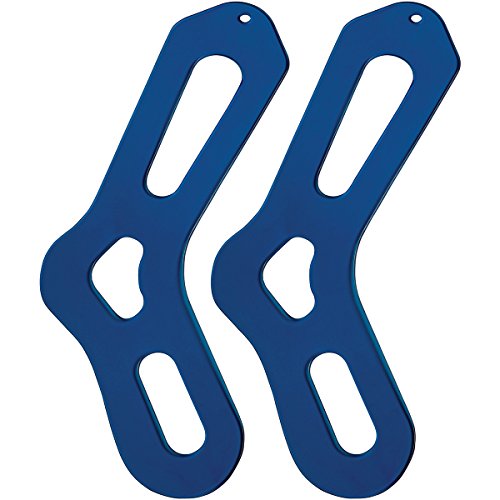

These blockers are a game-changer for the knitter who makes socks for the whole family. Because they feature an adjustable sliding mechanism, you can set them to fit everything from a toddler’s tiny heel to a large adult size with just a quick adjustment.
The plastic construction is lightweight and incredibly easy to wipe down after a wet blocking session. They don’t absorb water, which means they won’t warp or splinter over time, even if you are blocking multiple pairs in a single weekend.
If you find yourself constantly changing your gauge or knitting for different foot lengths, this is the most practical investment. You won’t need to store a dozen different wooden forms in your craft room, saving you precious space for more yarn.
Ashford Lacquered Wood Sock Blockers: Best for Finish
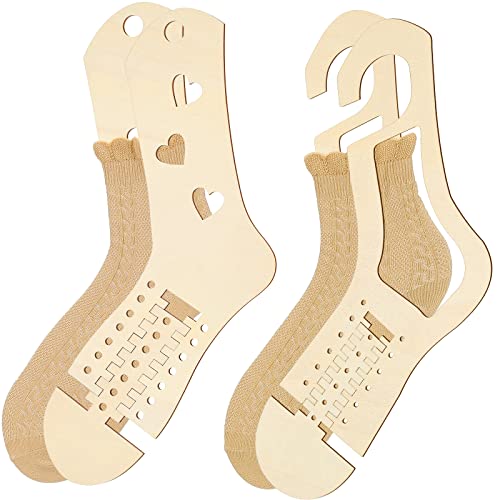
When you want a tool that feels as luxurious as the hand-dyed merino you’ve spent hours knitting with, Ashford’s lacquered wood blockers are a delight. The smooth finish ensures that your delicate lace or fine-gauge stitches never snag or catch while you are sliding the sock on.
The wood is beautifully crafted and sealed, which prevents the moisture from the wet sock from raising the grain of the wood. This is a common issue with cheaper, unfinished wooden blockers that can eventually become rough and damage your fiber.
These are best for knitters who appreciate a tactile, aesthetic experience during their finishing process. They look beautiful on a drying rack and provide a sturdy, reliable shape that won’t flex under the weight of a damp, heavy wool sock.
Seattle Sky Dyeworks Metal Sock Blockers: Best Durability
If you are a prolific sock knitter, you need a tool that can withstand heavy, daily use. These metal blockers are essentially indestructible, made from sturdy, rust-resistant wire that holds its shape perfectly, year after year.
The open-frame design is a major advantage for airflow. Because there is so little surface area covering the fabric, your socks will dry significantly faster than they would on a solid wooden board. This is a lifesaver if you are on a deadline for a gift.
Because they are thin, they are also incredibly easy to store. You can slide them into a flat drawer or hang them on a hook, making them the most space-efficient option for a small workspace.
Cocoknits Bamboo Sock Blockers: Best Eco-Friendly Pick

Cocoknits has a reputation for thoughtful design, and these bamboo blockers are no exception. They are made from a sustainable, renewable material that feels warm and organic in the hand, which many knitters prefer over cold metal or synthetic plastic.
The design is simple, flat, and features a clever cutout for hanging. They are lightweight, which makes them easy to maneuver even when you are working with slippery, high-silk content yarns that tend to slide around during the blocking process.
Keep in mind that bamboo is a natural material and can be sensitive to prolonged soaking. Always ensure you dry them thoroughly after use to maintain the integrity of the wood and prevent any potential warping or mold.
Offhand Designs Custom Wooden Sock Blockers: Best Style

For the knitter who sees their tools as an extension of their personal style, Offhand Designs offers beautiful, custom-shaped wooden blockers. These aren’t just functional; they are pieces of art that make the mundane task of finishing feel like a special ritual.
The craftsmanship is evident in the smooth, contoured edges that mimic the natural shape of the human foot. This creates a much more realistic silhouette than the generic, flat-board shapes found in mass-produced kits.
These are a fantastic gift for a fellow knitter or a treat for yourself. While they are an investment, the quality of the wood and the attention to detail mean they will likely become a cherished heirloom in your knitting kit.
BQueen Collection Wire Sock Blockers: Best for Drying

BQueen’s wire blockers are designed with the practicalities of evaporation in mind. By minimizing the contact between the sock and the blocker, they allow air to circulate freely through the heel and toe, which are typically the thickest parts of the sock.
These are particularly useful if you live in a humid climate where socks take days to dry on solid forms. The wire is strong enough to hold the tension of a tight-gauge sock without bending, ensuring your ribbing stays crisp and your cables remain defined.
They are also very easy to clean. If you use a wool wash that contains lanolin, you can simply rinse the blockers off, and they will be ready for the next pair without retaining any scent or residue.
Brittany Birch Sock Blockers: Best Lightweight Choice
Brittany is a classic name in the knitting world, and their birch blockers are as reliable as their famous needles. Birch is an excellent material because it is incredibly lightweight yet dense and strong, offering the perfect balance for a tool you’ll use often.
The finish on these is sanded to a satin-smooth texture, which is gentle on even the most delicate hand-dyed yarns. You won’t have to worry about the wood snagging your stitches, even if you are working with a delicate single-ply yarn.
If you prefer a natural, unfinished feel that grips the yarn slightly to keep it in place, these are a superior choice. They provide just enough friction to keep the sock from sliding off while you are adjusting the fit.
Why Using Sock Blockers Improves Your Final Result
Blocking is the bridge between a "homemade" look and a professional finish. When you knit, your stitches often become distorted by the tension of the needles and the way you hold the yarn. A blocker forces those stitches to relax into their intended shape.
This is especially critical for lace-patterned socks or stranded colorwork. Without blocking, the intricate designs often look bunched up and uneven. Once the sock is on the blocker, the yarn blooms, the stitch definition pops, and the pattern reveals its true beauty.
Furthermore, blocking helps you catch mistakes. If you’ve accidentally knit one sock slightly tighter than the other, the blockers will make the discrepancy obvious, allowing you to stretch the tighter one while it’s damp to even things out.
How to Properly Size Your Sock Blockers for Fit
Choosing the right size blocker is just as important as choosing the right needle size. If your blocker is too large, you risk over-stretching the fabric, which can cause the yarn to lose its elasticity and result in a sock that falls down during wear.
If the blocker is too small, your socks will look limp and won’t have that crisp, store-bought structure. Always check the manufacturer’s size guide against your own foot measurements or the intended recipient’s shoe size before purchasing.
If you are between sizes, opt for the smaller blocker. It is much easier to gently stretch a sock to fit than it is to shrink a sock that has been permanently over-stretched by a blocker that was too big for the gauge.
Tips for Maintaining Your Wooden Sock Blockers
Wooden blockers are beautiful, but they require a bit of care to last a lifetime. Never leave your wooden blockers submerged in water for extended periods, as this can cause the grain to swell, raise, and eventually splinter.
After you have finished blocking, wipe the blockers down with a soft, dry cloth to remove any excess moisture. If you notice the wood starting to look dry or dull over time, you can lightly buff them with a food-safe wood wax or a light coat of mineral oil.

Store your wooden blockers in a cool, dry place. Avoid keeping them in direct sunlight or near a heat source, as extreme temperature changes can cause the wood to warp or crack over time.
Investing in a quality pair of sock blockers is one of the most rewarding upgrades you can make for your knitting practice. Whether you choose the sleek durability of metal or the warm, natural feel of birch, you will immediately notice a difference in the professional look of your finished socks. Take the time to select a style that suits your storage space and drying needs, and your hand-knits will thank you for it. Happy knitting, and enjoy the process of perfecting your craft.