6 Best Ergonomic Grips For Straight Needles To Try
Enhance your knitting comfort with these 6 ergonomic grips for straight needles. Discover tools designed to reduce hand strain and improve your crafting flow.
Knitting should be a rhythmic, meditative practice rather than an endurance test for your joints and tendons. When your hands ache after only a few rows, the culprit is often the interaction between your grip, your tension, and the surface of your needles. Choosing the right ergonomic tool can transform your knitting experience from a chore into a seamless flow. This guide explores the best straight needles designed to reduce fatigue and keep you crafting for hours.
Clover Takumi Bamboo Needles: Best for Beginners


Clover Takumi needles are widely considered the gold standard for those just starting their knitting journey. The bamboo surface provides a subtle, natural "grab" that prevents stitches from sliding off accidentally, which is a common source of frustration for novices.
Because bamboo is a warm, organic material, it doesn’t feel clinical or cold in the hands. This tactile quality helps beginners develop a consistent tension, as the needle doesn’t fight against the yarn’s natural friction.
The weight of these needles is remarkably light, which is essential when your hands are still learning to relax. If you find yourself death-gripping your needles, the Takumi’s forgiving surface will help you ease into a more fluid technique.
Addi Turbo Straight Needles: Superior Grip Feel
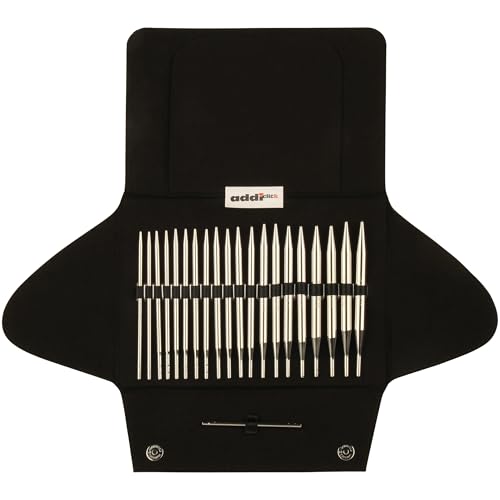
Addi Turbos are legendary for their high-quality nickel-plated finish and precision-engineered tips. While they are significantly slicker than wood, they offer an ergonomic advantage for those who struggle with "knitting drag," where the yarn sticks to the needle and forces you to tug constantly.
The slickness of these needles allows for rapid, effortless stitch movement. If you are working on a project with a complex lace pattern or a high-twist wool, these needles minimize the physical effort required to move stitches across the shaft.
However, be aware that their speed can be a double-edged sword for beginners. If your tension is loose, stitches may slide off more easily, requiring a more conscious effort to keep your work secure.
Susan Bates Silvalume Needles: Ergonomic Design

Susan Bates needles are famous for their unique "inline" head design, which is distinct from the traditional tapered tips found on most other brands. This inline shape is designed to grab the yarn consistently, which can lead to more uniform stitches.
The ergonomic benefit here is primarily about efficiency. Because the hook-like tip catches the yarn reliably, you don’t have to exert as much force to pull the yarn through the loop, reducing repetitive strain on your fingers.
These needles are made from lightweight aluminum, making them an excellent choice for long-term comfort. They are particularly well-suited for knitters who suffer from hand fatigue caused by fighting to keep their stitches aligned.
Knitter’s Pride Dreamz: Smooth Wood Ergonomics
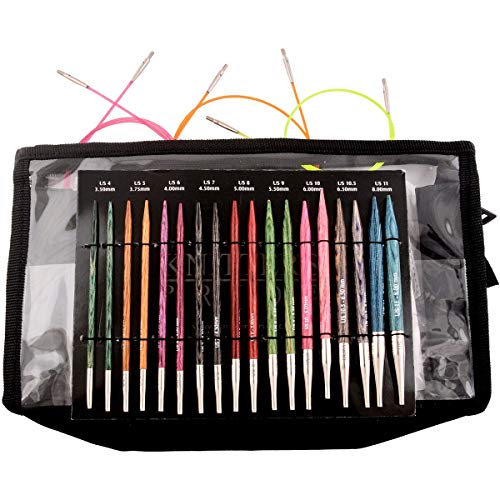
Knitter’s Pride Dreamz are crafted from polished birch wood, offering a middle-ground texture between the grip of bamboo and the speed of metal. They are remarkably smooth, yet they retain enough natural friction to hold slippery fibers like alpaca or silk in place.
The ergonomic appeal of these needles lies in their balance and warmth. Birch wood is dense and sturdy, providing a solid feel in the hand without the heavy weight of stainless steel or brass.
If you are a knitter who experiences "knuckle fatigue," the slight flexibility of wood can be much gentler on your joints than rigid metal. They are a fantastic upgrade for intermediate knitters looking to improve their speed without sacrificing control.
Boye Aluminum Straight Needles: Classic Comfort

Boye aluminum needles are a staple in many knitting kits for a reason: they are incredibly reliable and lightweight. Their classic, tapered tip is designed for versatility, making them suitable for everything from basic scarves to complex cables.
The primary ergonomic advantage of aluminum is its low weight-to-strength ratio. You can knit with these for hours without your wrists feeling the "drag" that comes with heavier needle materials.
Because they are a mass-market classic, they are also highly accessible. They are a perfect "workhorse" needle for those who want a simple, no-nonsense tool that performs consistently across a variety of yarn weights.
Brittany Birch Needles: Lightweight Hand Relief

Brittany needles are hand-finished in the USA from sustainable birch, and their quality is immediately apparent in the smoothness of the wood grain. They are exceptionally lightweight, which is a major benefit for those with arthritis or chronic wrist pain.
The finish on these needles is matte rather than glossy, which provides a soft, non-slip surface. This is ideal for knitters who find that their hands become sweaty or slippery during long sessions, as the wood absorbs moisture and maintains a steady grip.
While they come at a higher price point, the ergonomic relief they offer is often worth the investment. They are a prime example of how the right material choice can extend your knitting lifespan.
Why Ergonomic Needles Prevent Hand Fatigue Issues
Hand fatigue in knitting often stems from two sources: excessive tension and the weight of the needle. When your needles are too heavy, your wrists must work overtime just to hold them up, leading to forearm soreness.
Ergonomic needles combat this by optimizing the weight distribution and the surface texture. A needle that is too slick forces you to grip tighter to prevent stitches from falling, while a needle that is too grippy forces you to pull harder to move the yarn.
The ideal ergonomic tool allows your hand to remain in a neutral, relaxed position. By choosing a material that matches your personal knitting speed, you minimize the micro-movements that lead to inflammation over time.
How to Choose the Right Grip for Your Knitting Style
Your choice of needle should be dictated by your specific "knitting personality." If you are a "tight" knitter who struggles to move stitches across the needle, you should prioritize slicker materials like nickel or polished wood.
If you are a "loose" knitter who frequently drops stitches, opt for bamboo or matte-finished wood. These materials will provide the extra friction needed to keep your tension stable and your stitches exactly where they belong.
- Tight Knitters: Choose slick metal or polished wood to reduce physical effort.
- Loose Knitters: Choose bamboo or matte wood to add necessary control.
- Pain-Prone Knitters: Prioritize lightweight options like birch or hollow aluminum.
Comparing Material Weights for Long Knitting Hours
Weight is an often-overlooked factor in ergonomic comfort. While metal needles are incredibly durable, they are significantly heavier than wood or bamboo, which can be taxing during marathon knitting sessions.
If you are working on a large project, such as a heavy wool blanket, the weight of the project itself will add to the strain on your wrists. Pairing a heavy project with heavy needles is a recipe for fatigue.
In these cases, switching to a lightweight birch or bamboo needle can make a noticeable difference. It allows the weight of your hands to remain focused on the rhythm of the stitches rather than supporting the tools.
Tips for Maintaining Your Needles for Better Grip
Even the best ergonomic needles require maintenance to retain their performance. Over time, the natural oils from your hands can build up on the surface, making wood needles feel gummy or metal needles feel unexpectedly slick.
For bamboo and wood needles, a light buffing with a soft cloth can restore their smooth finish. If they become overly dry, a tiny amount of wood wax or mineral oil can rejuvenate the surface and prevent splintering.
For metal needles, a quick wipe with a damp cloth followed by a dry one will remove residue and keep them gliding smoothly. Keeping your needles clean ensures that your grip remains consistent, which is the secret to pain-free knitting.
Finding the perfect needle is a personal journey that evolves alongside your skill level and the specific projects you choose. Don’t be afraid to experiment with different materials to see which ones best support your unique tension and grip. By prioritizing comfort and ergonomics, you ensure that your knitting remains a source of joy for years to come. Happy knitting, and may your stitches always be even.