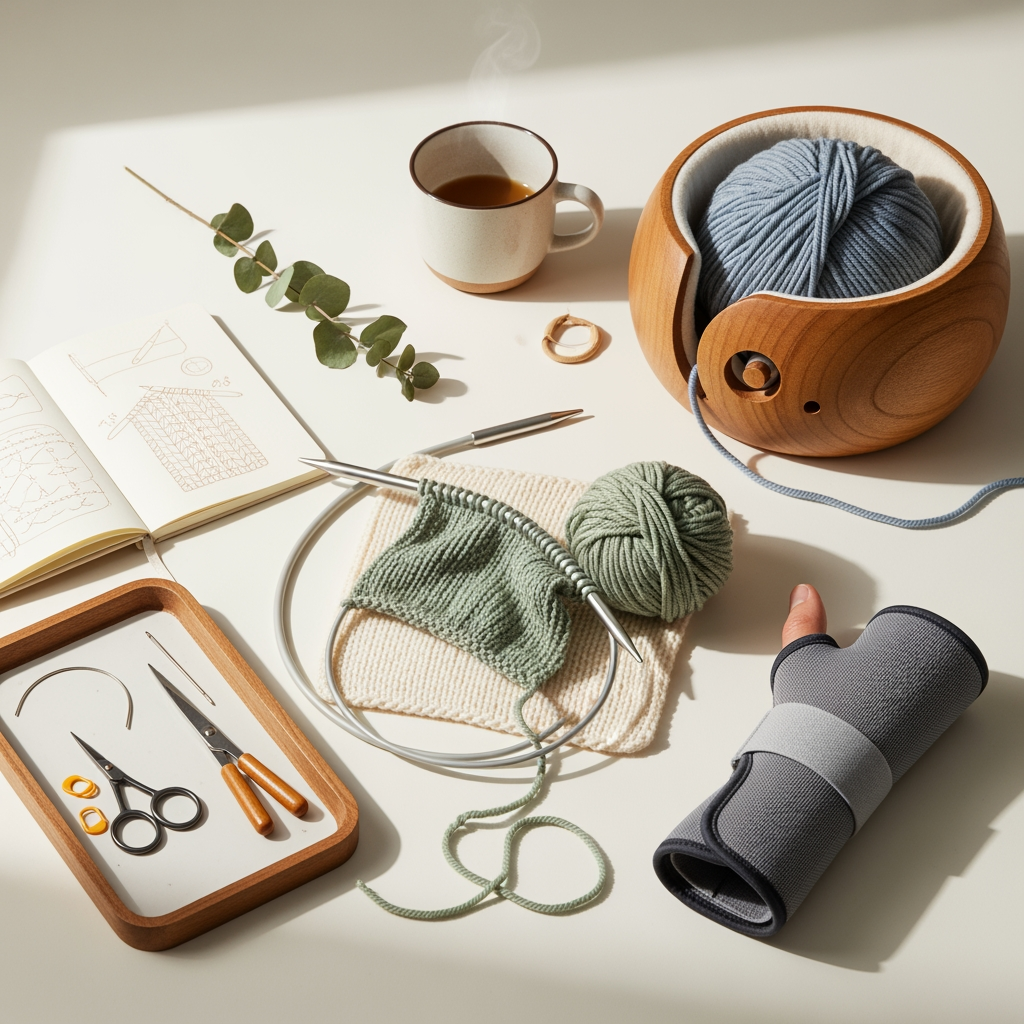
7 Best Ergonomic Compression Gloves For Arthritic Knitters
Ease hand pain while crafting. We review the 7 best ergonomic compression gloves designed to support arthritic knitters, ensuring comfort and longer sessions.
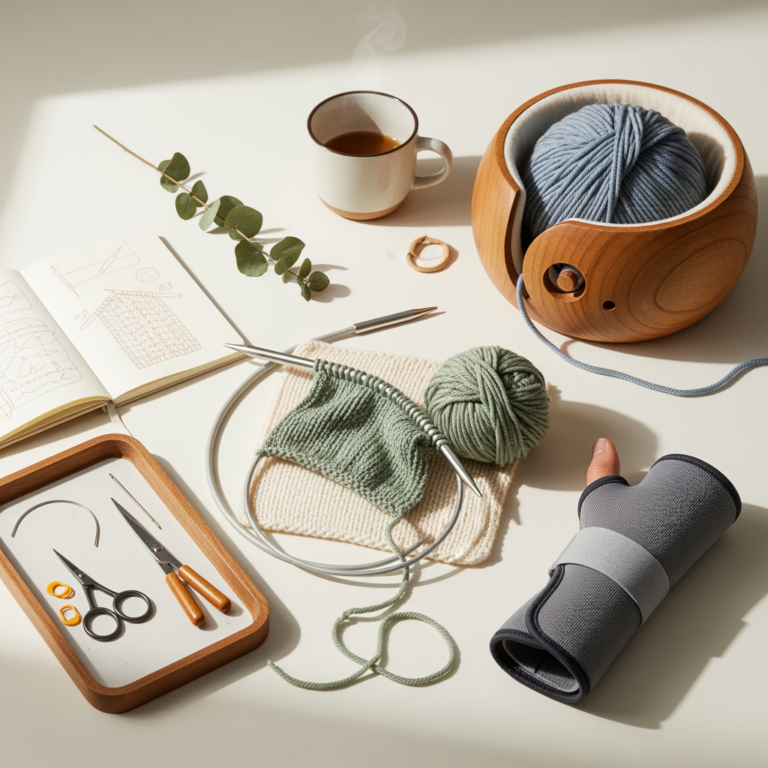
Knitting is a labor of love, but the repetitive motion of working stitches can take a toll on even the most seasoned hands. Finding the right compression gloves can be the difference between finishing that heirloom lace shawl and having to put your needles down for weeks. These tools provide the gentle, consistent pressure needed to soothe aching joints and keep your hands nimble. Here is a guide to the best options for maintaining your craft without sacrificing comfort.
ComfyBrace Arthritis Gloves: Best Overall Choice
When you are deep into a complex project like a stranded colorwork sweater, you need gear that stays out of your way. ComfyBrace gloves strike a remarkable balance between structural support and the tactile sensitivity required to manipulate fine yarns.
They feature a durable, high-quality cotton-spandex blend that feels breathable during long sessions. Unlike some synthetic materials that can cause your hands to sweat and lose grip on your needles, these allow for consistent airflow.
The design is straightforward and effective, providing enough compression to reduce swelling without feeling restrictive. If you are working with slippery materials like silk or bamboo yarn, the subtle texture of the fabric helps maintain a secure hold on your needles.
Vive Arthritis Gloves: Best Open Finger Design
Open-finger designs are essential for knitters who need to feel the tension of the yarn between their fingertips. The Vive gloves are engineered specifically to leave your digits free, which is vital when you are picking up dropped stitches or working with intricate cable crosses.
The seams are strategically placed to avoid digging into your skin while you hold your needles. This is a massive advantage when you are knitting for hours on end, as even a small, poorly placed seam can cause irritation during repetitive motions.
These gloves provide enough compression to target the base of the thumb and the palm, which are the most common areas of fatigue. They are a reliable choice for those who find full-fingered gloves too cumbersome for delicate work.
Copper Compression Arthritis Gloves: Best Fit
Copper-infused fabrics have become a staple in the world of joint support, and these gloves are a top contender for those who prioritize a snug, second-skin feel. A precise fit is crucial for knitters; if the glove is too loose, it will bunch up and interfere with your gauge.
The material is lightweight and flexible, allowing for a full range of motion. Whether you are using tiny 2.25mm needles for sock knitting or larger wooden needles for a bulky weight scarf, these gloves adapt to your hand’s natural movement.
Keep in mind that the compression is firm, which is excellent for stabilization but might take a few sessions to get used to. If you struggle with swelling after a long day of knitting, the consistent pressure here is a real asset.
Dr. Arthritis Doctor-Developed Gloves: Top Pick


Developed by medical professionals, these gloves are designed to address the specific biomechanics of hand pain. For a knitter, this means they provide a level of support that feels intentional and well-structured, rather than just a simple piece of fabric.
The material is thick enough to offer warmth, which is a major benefit if you suffer from stiff joints in cold weather. Warmth improves blood flow, making it easier to maintain the dexterity needed for fine-gauge knitting.
They are particularly effective at stabilizing the wrist and thumb joints. If you find your hands aching after working on a large blanket project, the extra support provided by this design can significantly extend your comfortable knitting time.
Skinex Compression Gloves: Best for Daily Wear

Sometimes you need a glove that you can wear while knitting and then keep on while you go about your day. Skinex gloves are designed with a low profile, making them easy to wear under other layers or while performing household tasks.
Their compression is moderate, which makes them ideal for knitters who don’t need heavy-duty support but want to prevent fatigue before it starts. They feel less like a medical device and more like a comfortable, supportive garment.
Because they are so lightweight, they won’t change your hand size or interfere with your needle grip. They are an excellent "preventative" tool to keep in your knitting bag for those days when you plan on a marathon session.
IMAK Compression Arthritis Gloves: Best Comfort
IMAK gloves are widely recognized in the knitting community for their softness and ease of use. The fabric is exceptionally gentle on the skin, which is important if you are prone to skin sensitivity or have been knitting for many hours.
The open-finger design is generous, allowing for maximum dexterity when handling slippery needles or complex stitch patterns. You won’t feel like you are fighting against the fabric when you go to wrap your yarn.
They provide a mild, soothing compression that is perfect for all-day wear. If you are a beginner knitter still learning to manage your tension, these gloves won’t distract you from the mechanics of your stitches.
Thermoskin Premium Arthritic Gloves: Best Support

If you need serious, targeted support, the Thermoskin gloves are a standout. They utilize a unique thermal lining that reflects your body heat, which is incredibly soothing for arthritic pain.
The material is sturdier than most, providing a firmer compression that keeps joints aligned. This is particularly helpful if you have a tendency to grip your needles too tightly, a common habit when learning new techniques.
While they are bulkier than other options, the tradeoff is superior structural support. They are best suited for those days when your joints are particularly inflamed and you need the extra help to keep your hands moving comfortably.
How to Measure Your Hand for the Perfect Fit
A compression glove is only as good as its fit. If it’s too tight, you’ll restrict circulation; if it’s too loose, you won’t get the therapeutic benefits. Always use a soft measuring tape and measure around the widest part of your palm, excluding your thumb.

Check the manufacturer’s size chart specifically for that brand, as sizing can vary significantly. If you fall between sizes, consider your project type: if you knit tight, you might prefer a slightly looser fit to avoid adding extra bulk to your hand.
Remember that knitters often have different dominant and non-dominant hand sizes due to muscle development. Measure both hands and choose the size that accommodates the larger one to ensure comfort during long sessions.
Understanding Compression Levels for Knitters
Compression is measured in millimeters of mercury (mmHg), but most over-the-counter gloves use a general "mild to moderate" scale. For knitting, you generally want to avoid heavy-duty medical compression that is meant for edema, as it can be too restrictive for fine motor tasks.
- Mild Compression: Best for preventing fatigue and light, daily support.
- Moderate Compression: Ideal for managing existing aches and providing joint stability.
- Firm Compression: Use only if recommended by a professional for significant inflammation.
Your goal is to find a glove that feels like a gentle hug for your hands. It should feel supportive, but you should never experience tingling or numbness, which are signs that the compression is too high or the fit is incorrect.
Tips to Manage Hand Fatigue During Long Sessions
Even with the best gloves, you must listen to your body. Take a "knitting break" every 30 minutes to stretch your fingers, wrists, and shoulders, as tension in the neck often travels down to the hands.
Consider your needle material as well. If you have arthritis, try switching to wooden or bamboo needles, which have a bit of "grip" and require less force to hold than slick metal needles. Also, ensure your lighting is excellent; squinting and hunching over your work creates unnecessary physical tension.

Finally, don’t be afraid to change your project. If you are working on a massive cabled project, alternate it with a simpler project using larger needles and a soft, worsted-weight yarn. Your hands will thank you for the variety in motion and the reduction in strain.
Investing in a pair of quality compression gloves is a proactive step toward a lifetime of knitting joy. By choosing the right support, you can mitigate the impact of repetitive motion and keep your hands healthy for every project on your needles. Remember that the best glove is the one that allows you to knit pain-free while maintaining your unique, personal gauge. Happy knitting, and may your stitches always be even and your hands always feel strong.