6 Best Knitwear Brushes For Fiber Upkeep To Own
Extend your knitwear’s lifespan with these six essential brushes. Our guide explores top tools to remove pilling, maintain fibers, and keep knits pristine.
Every knitter knows the heartbreak of pulling a beloved, hand-knit sweater from the drawer only to find it covered in unsightly fuzz and pills. While pilling is often a natural byproduct of friction and fiber movement, it doesn’t have to be the end of your garment’s life. With the right tools, you can restore your knits to their original, pristine state without damaging the delicate structure of your stitches. Here are the six best knitwear brushes and shavers to help you maintain your hard work for years to come.
The Gleener Ultimate Fuzz Remover: Best Overall


The Gleener is a standout because it offers a non-electric, multi-faceted approach to garment care. Instead of relying on a motor that might snag a loose yarn end, it uses three interchangeable edges designed for different fabric weights.
This is particularly useful if your wardrobe ranges from fine, lace-weight mohair blends to heavy, worsted-weight wool sweaters. By swapping the edge, you control exactly how much tension is applied to the fabric surface.
The bottom line is versatility; it’s an essential kit for any knitter who works with a wide variety of fiber types. It removes pills effectively without the risk of "buzzing" a hole into your hard-earned fabric.
The Clothes Doctor Cedar Wood Comb: Best for Cashmere

Cashmere is a dream to knit with, but its short fibers are notorious for pilling under the slightest friction. A metal electric shaver is often too aggressive for these delicate, luxury fibers, which is why a cedar wood comb is the preferred choice.
These combs work by gently lifting the fibers and snagging the pills without cutting into the yarn itself. Because they are manual, you have total tactile feedback—you can feel exactly when you hit a knot or a structural imperfection in your knitting.
Use this tool with a light touch, working in one direction to align the fibers. It’s the perfect companion for those precious heirloom projects that deserve a gentle, artisanal touch.
Laundress Fabric Shaver: Best for Delicate Knits
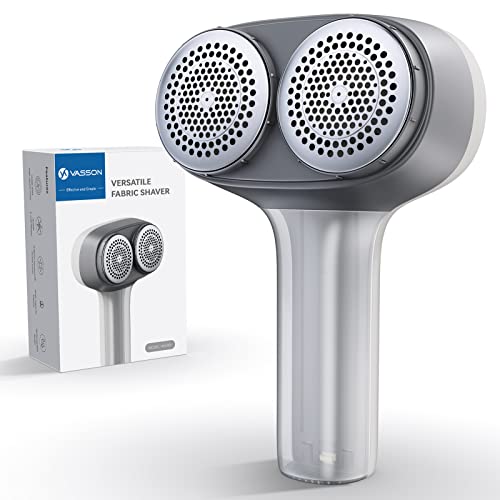
When you’ve spent weeks working on a fingering-weight garment, the last thing you want is a tool that pulls at your tension. The Laundress shaver is designed with a precision-engineered head that balances speed with safety.
It is particularly effective for those who knit with superwash wools, which can sometimes have a slightly "slick" surface that attracts surface fuzz. The shaver head is calibrated to catch the pill while keeping the blade a safe distance from your actual stitches.
Always remember to lay your garment completely flat on a hard surface before starting. If you try to shave a garment while it’s hanging, the fabric will stretch, leading to uneven pressure and potential snags.
Fabric Comb Set: Best Budget-Friendly Option

Sometimes the simplest tools are the most effective, and a basic fabric comb set is a testament to that. These small, portable tools are perfect for keeping in your project bag for quick maintenance on the go.
They are ideal for those who prefer a manual method to ensure no fibers are accidentally sheared away. Because they are inexpensive, you can keep one in your knitting kit and another in your closet for easy access.
However, be aware that these require a bit of "elbow grease" compared to electric models. They are best suited for smaller areas or garments that only need a light refresh rather than a deep restoration.
Philips Fabric Shaver: Best for Heavy Woolens
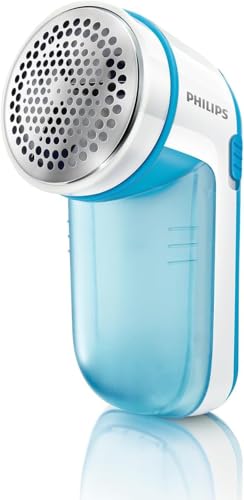
If you knit chunky cardigans or heavy-duty wool sweaters, you need a tool with a bit more power. The Philips shaver features a large shaving head and a high-speed motor that can handle dense, thick fabrics with ease.
This tool is a workhorse for those who knit with rustic, non-superwash wools that tend to felt or pill heavily in high-friction areas like the underarms. The large surface area allows you to clear a sweater in minutes, saving you from tedious manual labor.
Because this is a high-powered tool, use it with caution around seams or cables. Always test it on an inconspicuous area, like the inside of a hem, to ensure the blade height is appropriate for your specific yarn.
Ruri’s Handheld Brush: Best for Surface Pilling
Ruri’s brush is less about cutting and more about grooming the surface of your knitwear. It is excellent for removing surface lint, pet hair, and minor pilling without the need for blades or sharp edges.
This is a fantastic tool for brushed fibers like alpaca or mohair, where you want to maintain the "halo" of the yarn while removing the stray bits of debris. It revives the look of the knit by smoothing the fibers back into alignment.
Think of this as the "finishing" step after you’ve blocked your garment. It’s a gentle, non-invasive way to keep your knits looking fresh without the risk of thinning the fabric over time.
Understanding Fiber Types and Pilling Tendencies
Pilling happens when fibers break or work their way to the surface of the yarn, usually due to friction. Not all yarns are created equal; a tightly twisted 4-ply yarn will generally pill less than a loosely spun single.
- Superwash Wool: Often pills more due to the chemical treatment that removes the scales from the fiber.
- Alpaca and Mohair: Tend to shed and create a "halo," which can look like pilling but is actually just fiber migration.
- Cotton and Linen: These plant fibers are less prone to pilling but can become "fuzzy" as the fibers break down.
Recognizing these tendencies helps you choose the right tool. If you are working with a delicate single-ply yarn, avoid aggressive electric shavers entirely.
How to Properly Brush Your Hand-Knitted Garments
Always start by laying your garment on a flat, stable surface. Never attempt to de-pill a garment while wearing it, as you won’t be able to achieve the necessary tension to keep the fabric taut.
Work in small sections, moving in the direction of the stitch anatomy. If you are working on a cabled sweater, be extra careful around the twists, as these areas are more prone to catching on a shaver head.
If you find a stray yarn end, stop immediately and use a tapestry needle to weave it back into the fabric. Never shave over a loose end, as this will result in a hole that is difficult to repair.
Essential Maintenance Tips for Knitwear Longevity
The best way to manage pilling is to prevent it before it starts. Washing your knits inside out in a mesh laundry bag reduces the friction they encounter against other garments or the drum of the washer.
Avoid over-washing your hand-knits; wool is naturally antimicrobial and often just needs to be aired out. When you do wash, use a gentle wool wash and never wring the garment, as this stresses the fibers.
Finally, rotate your hand-knit sweaters. Giving your wool garments a "rest day" allows the fibers to recover their natural shape and bounce, which helps keep them from matting together.
Frequently Asked Questions About Fabric Shaving
Will shaving my sweater make it thinner over time? Yes, excessive shaving can eventually thin the fabric. Use the gentlest method possible and only shave when truly necessary.
Can I use a razor blade or a kitchen knife? Please, never use a razor blade or knife. These tools are designed for skin or food, not the complex, looped structure of knitting, and they will almost certainly lead to a cut or a hole.
How do I know if my garment is too delicate for a shaver? If the yarn is very fine, has a delicate halo, or is a loose, open-work lace, stick to a manual comb or a soft bristle brush.
Maintaining your hand-knits is a labor of love that extends the life of your most cherished projects. By choosing the right tool for your specific yarn and fiber content, you can keep your garments looking as beautiful as the day you bound off. Remember that a little bit of gentle care goes a long way in preserving the warmth and comfort of your handmade wardrobe. Happy knitting, and may your sweaters stay pill-free for years to come.