7 Best Sewing Shears For Finishing Knitted Garments
Select the perfect shears for your knitwear. Our guide reviews the top 7 blades for clean, precise yarn trimming and professional garment finishing results.
Finishing a knitted garment is the final hurdle that separates a handmade item from a true heirloom. While your needles and yarn get all the attention, the scissors you use to trim yarn ends or snip steeks are equally critical. A dull blade can fray delicate fibers, while a precise pair ensures your hard work stays secure. Choosing the right tool is an investment in the longevity and aesthetic of your finished pieces.
Gingher 8-Inch Knife Edge Dressmaker Shears
These are the gold standard in many sewing rooms, and for good reason. The knife-edge grind allows the blades to slice through yarn tails with almost zero resistance, preventing the "chewing" effect that often happens with cheaper scissors.
When you are finishing a complex colorwork sweater, you want to trim your floats or ends as close to the fabric as possible without nicking the surrounding stitches. The weight of these shears provides a steady hand, which is essential when working with delicate fibers like silk or fine wool blends.
However, be aware that these are heavy. If you have any wrist strain from long hours of knitting, the weight might become a fatigue factor over time. Keep these strictly for fiber; cutting paper will dull that precision edge in a heartbeat.
Kai 7230 9-Inch Professional Sewing Shears


Kai shears are famous for their incredibly smooth movement. If you find that your hands get tired from the "snip-snip" action of trimming dozens of ends on a cardigan, the ergonomic tension of these blades will feel like a relief.
The vanadium stainless steel used in these blades holds an edge remarkably well. This is vital when you are working with high-twist yarns or stubborn acrylics that tend to slide away from a blade that isn’t perfectly sharp.
The 9-inch length offers a long cutting stroke, which is helpful if you are squaring off a swatch or cutting through multiple layers of blocking fabric. They are a premium investment, but the ease of use makes them a favorite for those who finish a high volume of garments.
LDH Scissors Midnight Edition Fabric Shears
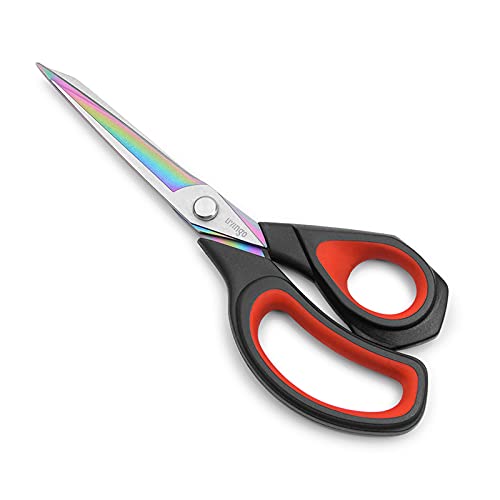
These shears are as beautiful as they are functional, featuring a sleek, matte black finish. Beyond the aesthetics, the high-carbon steel provides a crisp, clean cut that is essential when you are weaving in ends on a luxury fiber like cashmere.
Because they are slightly lighter than traditional industrial shears, they are excellent for knitters who prefer a more nimble tool. When you are performing delicate tasks like cutting a steek—the process of cutting into a knitted tube to create a cardigan—you need a tool that feels like an extension of your hand.
The pivot point on these is exceptionally well-engineered, ensuring the blades stay aligned even after heavy use. If you value precision and a modern design, these are a top-tier choice for your finishing kit.
Westcott 8-Inch Titanium Bonded Sewing Shears

Titanium-bonded blades are significantly harder than standard stainless steel, meaning they stay sharp for a long time. This is a practical choice if you frequently work with "grabby" fibers like mohair or sticky wools that can sometimes dull a blade through friction.
The handle design is often more contoured than traditional dressmaker shears, which can be a real benefit if you have smaller hands. A good grip means you are less likely to slip when you are making that final, high-stakes cut on a project you’ve spent months knitting.
While they may not have the "heirloom" feel of a forged steel pair, their durability is undeniable. They offer the best performance-to-price ratio for the knitter who wants a reliable tool that can handle daily use.
Fiskars Amplify RazorEdge Fabric Shears

Fiskars introduced a unique mechanism here that actually senses the thickness of the material you are cutting. For a knitter, this means they perform just as well on a thick, chunky-weight wool as they do on a gossamer-thin lace weight.
The "Amplify" technology keeps the blades in contact with each other, preventing the yarn from slipping between them. This is the most common frustration when trimming ends; there is nothing worse than a yarn tail that just bends instead of cutting.
They are quite large, which makes them better suited for a dedicated workspace rather than a portable project bag. If you work with a wide variety of yarn weights, this is the most versatile tool in your arsenal.
Havel’s 8-Inch Sewing and Quilting Shears

Havel’s is a brand that understands the need for a sharp tip. The blades on these shears are designed to be thin and pointed, which is perfect for getting into tight corners or picking out a stray stitch.
When you are grafting kitchener stitch or finishing a neckline, you often need to trim a very specific tail of yarn. These shears allow for surgical precision, ensuring you don’t accidentally cut into your main fabric.
The blades are also serrated in a way that grips the yarn as you cut. This is a massive advantage for slippery fibers like bamboo or mercerized cotton that tend to slide away from smooth blades.
Singer Professional Series Heavy Duty Shears
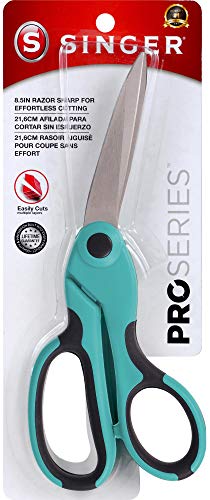
These are the workhorses of the knitting world. If you are the type of knitter who is constantly finishing garments, these shears provide a solid, no-nonsense cutting experience that won’t let you down.
They are built to withstand the rigors of heavy use, making them a great choice for a household where they might be used for various craft projects. While they might lack the extreme finesse of a Japanese-made blade, they are more than capable of handling any yarn trimming task.
They are also widely available and generally affordable. For the knitter who wants a reliable, heavy-duty tool without overthinking the technical specs, these are a fantastic default.
Why Sharp Shears Matter for Finishing Projects
A dull blade is a knitter’s worst enemy because it crushes fibers instead of slicing them. When you cut with a dull edge, you create an uneven, frayed end that is much harder to weave in securely.
- Clean cuts prevent unraveling: A sharp blade ensures the yarn end is blunt and clean, which holds better when woven into the back of your work.
- Reduced tension on the fabric: You don’t have to pull or tug at the yarn to get a cut, which keeps your tension consistent.
- Safety: It sounds counterintuitive, but a sharp pair of scissors is safer because it requires less force to operate, leading to more control.
When you spend 40+ hours on a sweater, the last thing you want to do is ruin the finish with a sloppy cut. Sharp shears are the final step in quality control.
How to Maintain Your Shears for Longevity
The most important rule of shear maintenance is simple: never cut anything but fabric or yarn. Paper, wire, or even plastic packaging will create microscopic nicks in the edge that will ruin your ability to cut fine silk or mohair.
- Clean regularly: Wipe the blades with a soft cloth after use to remove lint and debris.
- Oil the pivot: A tiny drop of sewing machine oil at the screw once a year keeps the motion fluid.
- Store properly: Keep them in a sheath or a dedicated spot where they won’t bang against other metal tools.
If you notice your scissors start to "fold" the yarn rather than cutting it, it’s time for a professional sharpening. A good pair of shears can last a lifetime if they are treated with respect.
Essential Cutting Tools for Every Fiber Artist
Beyond your main shears, your finishing kit should be modular. Keep a pair of small, sharp embroidery snips in your project bag for on-the-go trimming, and reserve your high-end 8-inch shears for the bench.
Remember that your choice of tool should be based on your specific knitting habits. If you primarily knit delicate lace, prioritize a pair with a fine, sharp point. If you gravitate toward heavy-weight blankets and chunky sweaters, look for a heavier shear with a strong, gripping blade.
Ultimately, your scissors are a tool of precision. Treat them well, keep them sharp, and they will help you achieve that professional, polished finish every single time you bind off.
Investing in high-quality shears is one of the most underrated ways to improve your knitting practice. By choosing a pair that matches your project needs and maintaining them with care, you ensure that your hard work is finished with the precision it deserves. Don’t let a dull blade be the weak link in your craftsmanship. Choose a pair that feels right in your hand and enjoy the satisfaction of a clean, perfect cut.