6 Best Waxes for Yarn Tensioning Worth Trying
Achieve consistent stitch quality with our top picks. We explore six premium waxes for yarn tensioning, detailing how each improves your fiber craft results.
Achieving consistent tension is often the difference between a project that looks store-bought and one that reveals the struggle of the maker. Many knitters fight their yarn, pulling and tugging until their hands ache and the fabric looks uneven. Using a bit of wax can transform a sticky, high-friction yarn into a smooth, flowing strand that glides over your needles. This simple adjustment helps even the most erratic tension become uniform, stitch after stitch.
Thread Heaven Thread Conditioner: Best Overall
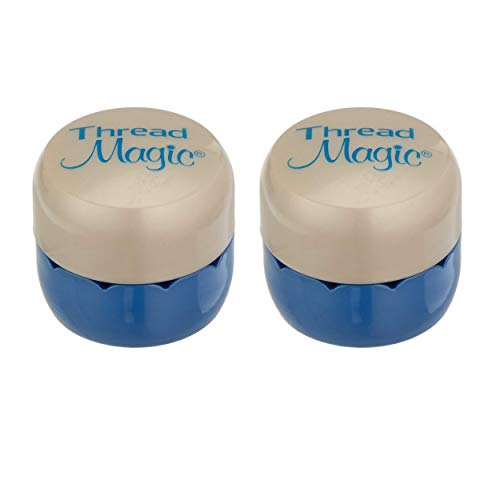

Thread Heaven has long been a staple in the sewing world, but its application in knitting is a game-changer for those working with sticky fibers like cotton or matte linens. Unlike traditional beeswax, this synthetic conditioner is designed to reduce friction without leaving behind a heavy, waxy residue.
It excels when you are working with complex colorwork or intarsia where yarn tangles are a constant threat. Because it is so lightweight, it doesn’t alter the "hand" or drape of the finished fabric, which is a major concern for those of us who obsess over the final feel of our garments.
However, it is important to remember that a little goes a long way. If you over-apply, you might find your needles becoming too slick, causing stitches to slide off unexpectedly. Use it sparingly by lightly touching the yarn to the conditioner once every few rows.
Beeswax Blocks for Smooth Yarn Gliding

Pure, natural beeswax is the traditional choice for a reason: it provides a subtle, consistent drag that helps "tame" unruly or splitty yarns. If you are knitting with a rustic, high-twist wool that tends to catch on your needles, a quick pass over a block of beeswax can make the process feel effortless.
These blocks are usually unrefined and have a distinct, earthy scent that many knitters find comforting. They are particularly effective for beginners who are still learning to control their tension, as the wax provides a slight tactile feedback that helps you feel the yarn moving through your fingers.
The trade-off is that natural wax can be slightly tacky. If you are working on a project that requires a very airy, loose gauge, you might find that the wax makes the yarn feel a bit too heavy. Stick to natural beeswax for projects where you want a firm, structured fabric.
Dritz Beeswax with Holder for Easy Tension
The Dritz Beeswax with its plastic holder is a utilitarian favorite for a reason: it keeps your fingers clean and your wax free from lint. When you are sitting in a knitting group or traveling, you don’t want your wax block picking up dust or stray fibers from your project bag.
The holder allows you to guide the yarn through the pre-cut slots, ensuring an even coating without the mess. This is a massive advantage when working with delicate silk blends or mohair, where you want to minimize the amount of handling the yarn receives.
While the holder is convenient, the wax itself is quite firm. If you are working in a cold climate, the wax may harden, making it difficult to get a good application. Warm the wax in your hands for a few seconds before threading your yarn through the slot.
Clover Beeswax for Consistent Fiber Flow

Clover’s offering is highly refined, making it one of the most consistent options on the market. If you are a perfectionist about your gauge, you will appreciate how this wax doesn’t clump or leave uneven deposits on your fiber.
It is an excellent choice for those working with high-twist, multi-ply yarns that tend to "pigtail" or twist up while you are knitting. By smoothing the surface of the yarn, Clover beeswax helps the plies stay together, resulting in a much cleaner, more professional-looking stitch definition.
It is worth noting that this brand is often smaller than other blocks, which makes it perfect for a project bag but less ideal for someone knitting large-scale blankets. Keep this in your notions kit specifically for detail-oriented projects like socks or lace shawls.
Singer Beeswax for Heavyweight Yarn Control
Singer beeswax is known for being slightly more robust and dense than other craft store varieties. This makes it an ideal companion when you are working with heavy, worsted-weight, or bulky yarns that require a bit of extra help to move across larger needle sizes.
If you have ever struggled with wooden needles that have lost their finish, this wax can act as a temporary lubricant. It fills in the microscopic imperfections on the surface of the wood, allowing your yarn to slide as if the needles were brand new.
Be careful, however, if you are working with very light-colored yarns. Because this wax is often a deeper, more natural yellow, it can occasionally leave a slight tint if used too aggressively. Test it on a swatch first if you are working with white or cream-colored luxury fibers.
Bohin Beeswax for Delicate Lace Projects
Bohin is a brand synonymous with quality in the needlework industry, and their beeswax is no exception. It is exceptionally clean and smooth, making it the top pick for lace knitters who need to keep their yarn moving perfectly across tiny, metallic needles.

Lace knitting often involves complex maneuvers like "yarn overs" and "purl through back loops," which can put a lot of stress on the fiber. Bohin wax provides just enough lubrication to prevent the yarn from snagging, without making the fabric feel "waxy" or heavy.
The primary benefit here is the purity of the wax. It is refined to a level that minimizes the risk of staining, which is critical when you are investing hours into a delicate, intricate project. Use Bohin when you can’t afford to have your yarn snag or break during a complex lace repeat.
Why Waxing Yarn Improves Your Tension Control
Tension is not just about how hard you pull the yarn; it is about the friction between the yarn, your skin, and the needle. When your yarn is "sticky," you are forced to exert more physical effort to pull it through, which inevitably leads to fatigue and uneven stitches.
By applying a thin layer of wax, you are essentially "lubricating" the path of the yarn. This allows the fiber to slide into place with less resistance, enabling you to maintain a more consistent rhythm.
- Reduces hand fatigue by lowering the force needed to move the yarn.
- Evens out stitch size by eliminating "snags" on the needle.
- Improves speed by smoothing the surface of high-friction, textured fibers.
How to Apply Wax Without Staining Your Fiber
The biggest mistake knitters make is applying too much wax at once. You are not trying to saturate the yarn; you are simply trying to coat the very outer fibers to reduce surface friction.
Hold your wax block in one hand and the yarn in the other. Gently pull the yarn across the surface of the wax—do not press down hard. A light, single pass is usually more than enough to achieve the desired effect.
If you are worried about staining, always test the wax on a small scrap of the same yarn first. If the wax leaves a visible residue or changes the color of the fiber, it is likely too heavy for that specific project. Always apply the wax to the yarn before it reaches your working needles.
Safety Tips for Using Wax on Natural Yarns
Natural fibers, particularly animal proteins like wool and alpaca, are susceptible to the properties of the wax you choose. Always look for 100% pure beeswax or high-quality synthetic conditioners to ensure you aren’t adding chemicals that could degrade the fiber over time.
Avoid using wax on "sticky" fibers that you intend to felt later. The wax can act as a barrier, preventing the fibers from interlocking properly and ruining the felting process.
Lastly, be mindful of the heat. If you are knitting in a very hot environment, the wax can melt and transfer unevenly. Store your wax in a cool, dry place to maintain its consistency.
Removing Residual Wax from Finished Projects
If you have used a high-quality wax, it should be easily removable during the blocking process. Most of these waxes are designed to be washed out with a gentle wool wash or a mild dish soap.
Fill a basin with lukewarm water and a small amount of wool-safe detergent. Gently submerge your finished project and let it soak for 15 to 20 minutes to allow the wax to loosen.
Gently squeeze the water through the fabric—do not wring or twist it. Once the project is rinsed and blocked, the wax should be completely gone, leaving you with a beautifully even, soft piece of knitwear. If the wax persists, a second soak in slightly warmer water usually does the trick.
Using wax is a professional-level trick that can instantly elevate the quality of your knitting. By reducing friction and helping your yarn glide, you allow your hands to relax and your stitches to settle into a perfect, uniform fabric. Don’t be afraid to experiment with these options to see which one feels best for your specific style and fiber choice. With a little bit of wax, even the most difficult yarns can become a joy to knit with.