6 Best Wool Detergents for Delicate Care Worth Using
Keep your knitwear soft and durable with our top picks. We review the six best wool detergents designed to clean delicately while preserving natural fibers.
Investing hours into a hand-knit garment means you are essentially wearing a piece of your own history. Once that final end is woven in, the way you maintain the fiber determines whether your project lasts for generations or shrinks after a single rinse. Choosing the right detergent is the single most important step in protecting the integrity of your hard work. Here is how to treat your wool with the respect it deserves.
Eucalan Delicate Wash: Best No-Rinse Formula
Eucalan is the gold standard for knitters who fear the agitation of a rinse cycle. Because it is a no-rinse formula, you simply soak your garment and squeeze out the excess water, leaving a small amount of the conditioning agent in the fibers.
This is a game-changer for delicate lace shawls or intricate cables that might lose their shape if handled too roughly under a faucet. The addition of lanolin helps replenish the natural oils in the wool, keeping it soft and supple over time.
However, be careful not to over-saturate your fibers with too much product. A little goes a long way, and using too much can leave a slightly tacky feel on the yarn.
Soak Wash: Best Scent Options for Your Knits
Soak Wash has gained a cult following primarily for its sophisticated, light fragrance profiles. If you are sensitive to the heavy, chemical-laden scents of traditional laundry detergents, this is a breath of fresh air.


Beyond the smell, it functions as a highly effective, gentle cleaner that lifts dirt and oils efficiently. It is particularly excellent for those projects you wear close to the skin, like cowls or sweaters, where body oils tend to accumulate.
The trade-off here is the lack of lanolin compared to other dedicated wool washes. While it cleans beautifully, you might find that very dry or brittle fibers need an occasional conditioning treatment to stay soft.
Kookaburra Wool Wash: Best for Natural Fibers

Kookaburra is a tea tree oil-based wash that excels at cleaning wool while maintaining a high level of natural hygiene. It is a fantastic choice if you are working with raw, rustic wools that still have a bit of "sheepy" character to them.
Because it is plant-based and biodegradable, many knitters prefer it for its environmental footprint. It is particularly adept at neutralizing odors, making it my go-to for vintage sweaters or thrifted wool finds that need a serious refresh.
Just keep in mind that the scent of tea tree is distinct and earthy. If you prefer your garments to smell like fresh laundry or nothing at all, this might be a bit too herbal for your personal preference.
The Laundress Wool & Cashmere: Best Premium Pick
If you have spent months knitting with luxury fibers like pure cashmere, angora, or high-end merino, you want a detergent that feels as premium as your yarn. The Laundress offers a sophisticated formula that feels more like a high-end skincare product than a laundry soap.
It is exceptionally gentle and excels at preserving the loft and "bloom" of delicate fibers. When you block a garment with this, the stitch definition often looks crisp and professional, which is vital for complex colorwork or textured patterns.
The primary drawback is the price point, which is significantly higher than other options on this list. It is a luxury purchase, best reserved for your heirloom-quality projects rather than everyday wool socks.
Unicorn Fibre Wash: Best for Heavy Soil Removal
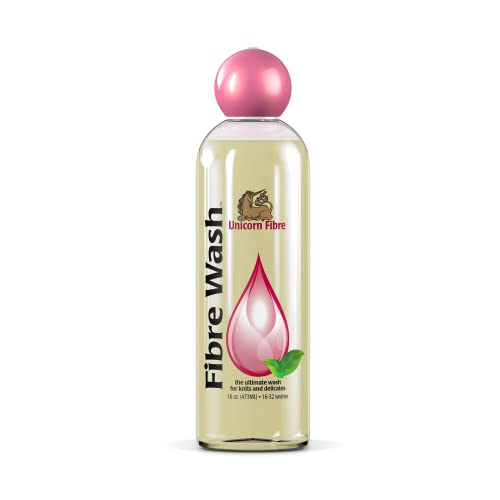
Sometimes, a project needs more than just a light freshening. Unicorn Fibre Wash is a powerhouse when it comes to removing stubborn dirt, grime, or even the residue from the spinning process in hand-dyed yarns.
If you are a knitter who works with "greasy" wools or if you are washing a sweater that has been stored in a dusty attic, this is the product you want. It cleans deeply without stripping the fiber of its essential structural integrity.
It is a more industrial-strength approach compared to the gentle rinses on this list. Use it when you need deep cleaning, but perhaps stick to milder options for your weekly wash.
Twig & Horn Wool Soap: Best Minimalist Choice
Twig & Horn keeps things simple with a straightforward, effective wool soap that gets the job done without any unnecessary additives. It is perfect for the knitter who values a clean, no-nonsense approach to fiber care.
The formula is designed to be gentle on the hands, which is a major plus when you are spending time hand-washing multiple garments at once. It rinses clean, leaving no residue behind to attract dust or dirt later.
It is a fantastic all-rounder that fits into any knitter’s toolkit regardless of the specific fiber content. If you want one bottle that works for everything from superwash merino to rustic wool, this is your best bet.
Why Wool Needs Specialized pH-Neutral Detergents
Wool is a protein fiber—essentially hair—and it reacts poorly to the high-alkaline environment of standard laundry detergents. Standard soaps are designed to break down fats and stains, but they can also strip the natural scales of the wool fiber.
When these scales are damaged by harsh detergents, the wool becomes brittle, loses its elasticity, and eventually starts to felt or pill. Using a pH-neutral wool wash ensures the fiber stays smooth and flexible.
Think of it like using a harsh dish soap on your own hair; it might get the grease out, but it will leave your hair feeling like straw. Your wool deserves the same level of gentle, pH-balanced care.
How to Properly Soak Your Hand-Knits for Longevity
The secret to a long-lasting knit isn’t just the soap; it is the technique. Always fill your basin with cool or lukewarm water before adding the detergent to ensure it is fully dissolved.
Gently submerge your garment and press it down—never rub, scrub, or twist the fabric. Rubbing causes friction, and friction is the primary cause of felting, especially in non-superwash wools.
Let the garment soak for at least 15 to 20 minutes to allow the detergent to lift away impurities. Once the time is up, gently squeeze the water out; again, avoid wringing the fabric like a towel, as this will distort the shape.
Avoiding Common Mistakes When Washing Fine Wools
The most common mistake I see is the "thermal shock" caused by sudden temperature changes. Never shock your wool by moving it from warm wash water to cold rinse water, as this can cause the fibers to seize and felt instantly.
Another frequent error is skipping the soak time or, conversely, leaving the garment soaking for days. Long soaks can cause the fibers to become waterlogged and lose their structural memory, leading to a saggy, misshapen sweater.
Finally, never hang a wet wool garment to dry, as the weight of the water will stretch the sleeves and body into an unrecognizable shape. Always lay your knits flat to dry on a moisture-wicking surface.
Essential Tips for Drying and Blocking Your Knits
Blocking is the final act of your knitting project, and it should be treated with as much care as the casting on. After gently squeezing out the water, roll the garment in a thick, dry towel to absorb as much moisture as possible.
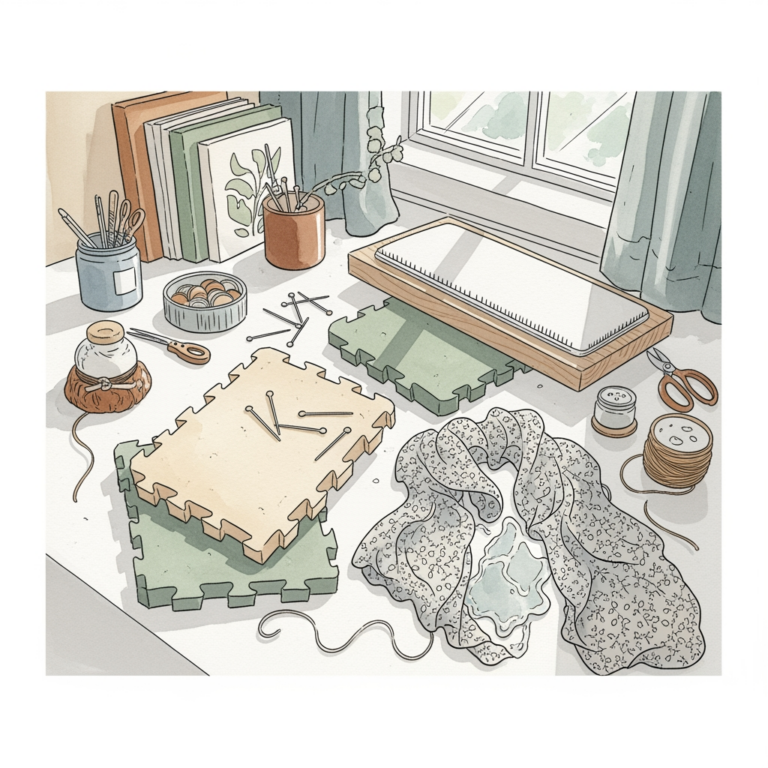
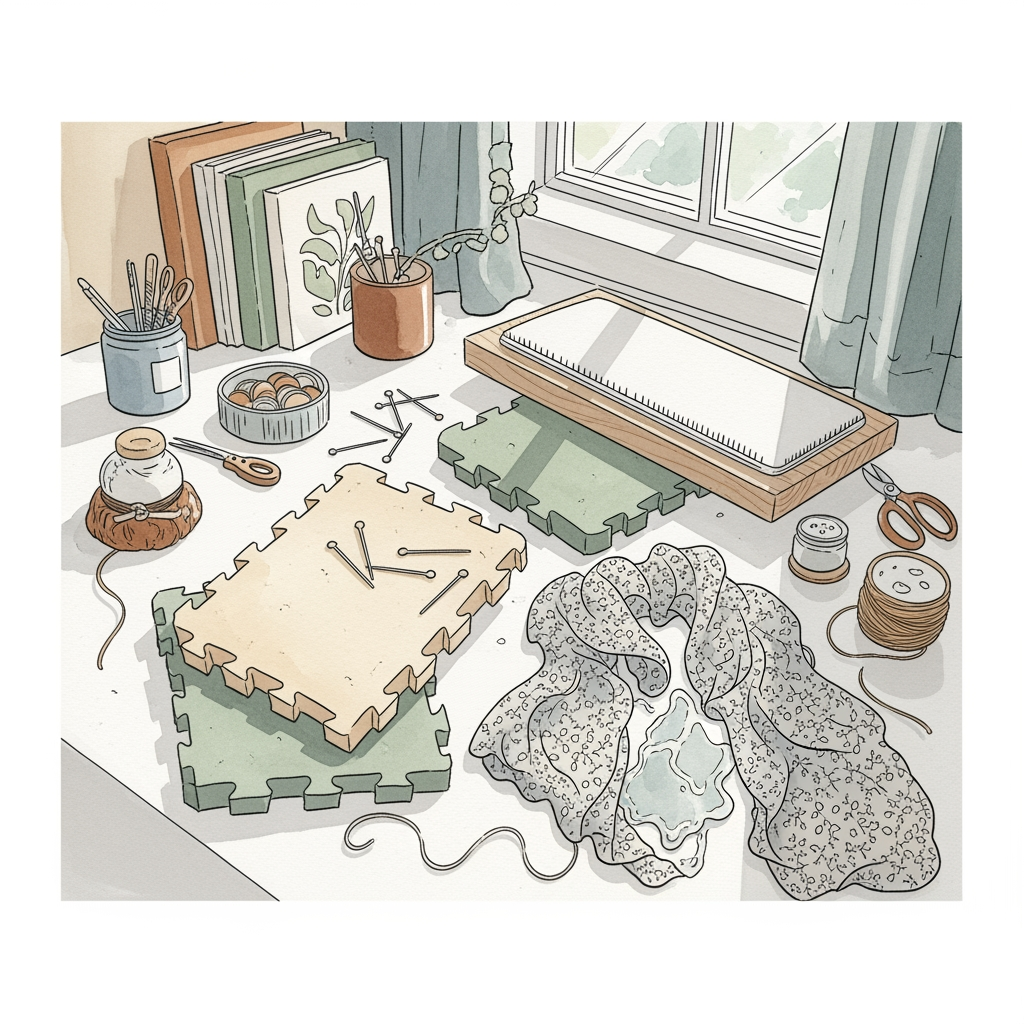
Lay the garment flat on a dedicated blocking mat or a clean towel, gently patting it into the desired dimensions. If you are blocking a lace shawl, use rust-proof pins to open up the stitches and reveal the pattern’s true potential.
- Avoid direct sunlight when drying, as UV rays can fade natural dyes and make fibers brittle.
- Ensure proper airflow around the garment to prevent any musty smells from developing during the long drying process.
- Check your gauge before blocking to ensure you are stretching the garment to the intended size, not just pulling it until it looks "big enough."
Treating your hand-knits with the right detergent is a small investment that pays massive dividends in the lifespan of your garments. By moving away from harsh, generic cleaners and adopting a routine based on pH-neutral, fiber-specific care, you ensure your work stays beautiful. Remember that the goal is to clean without agitation, preserving every stitch you worked so hard to create. Happy knitting, and may your sweaters stay soft and well-blocked for years to come.